

 1 hour ago
5
1 hour ago
5
ARTICLE AD BOX
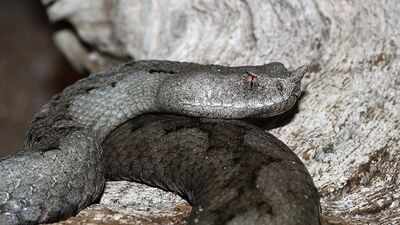
Tennessee's waterways range from broad reservoirs and winding rivers to cypress-filled wetlands shaped by centuries of natural change. These habitats support a surprising variety of snake species, particularly those adapted to life in and around water.
During the warmer months, snakes are often seen moving between shoreline vegetation, resting on logs, or crossing narrow channels in search of food. Most of these encounters involve nonvenomous watersnakes, although a few venomous species also inhabit certain areas. The combination of abundant fish, amphibians, sheltered coves and extensive shorelines creates favourable conditions across much of the state.
While sightings vary from season to season, a handful of lakes and rivers stand out for the frequency with which visitors report seeing snakes.According to WorldAtlas, check the list of the 5 most snake-filled bodies of water in Tennessee.
Snake species found in Tennessee
| Body of Water | Notable Snake Species |
| Kentucky Lake | Northern watersnake, cottonmouth |
| Reelfoot Lake | Copper-bellied watersnake, cottonmouth, grey ratsnake, eastern milksnake, eastern hognose |
| Chickamauga Lake | Diamondback watersnake, northern watersnake, cottonmouth |
| Duck River | Northern watersnake, plain-bellied watersnake, queen snake, cottonmouth, timber rattlesnake |
| Norris Lake | Northern watersnake, queen snake |
Tennessee's most snake-filled lakes and rivers
1. Kentucky Lake
pc; wikipedia
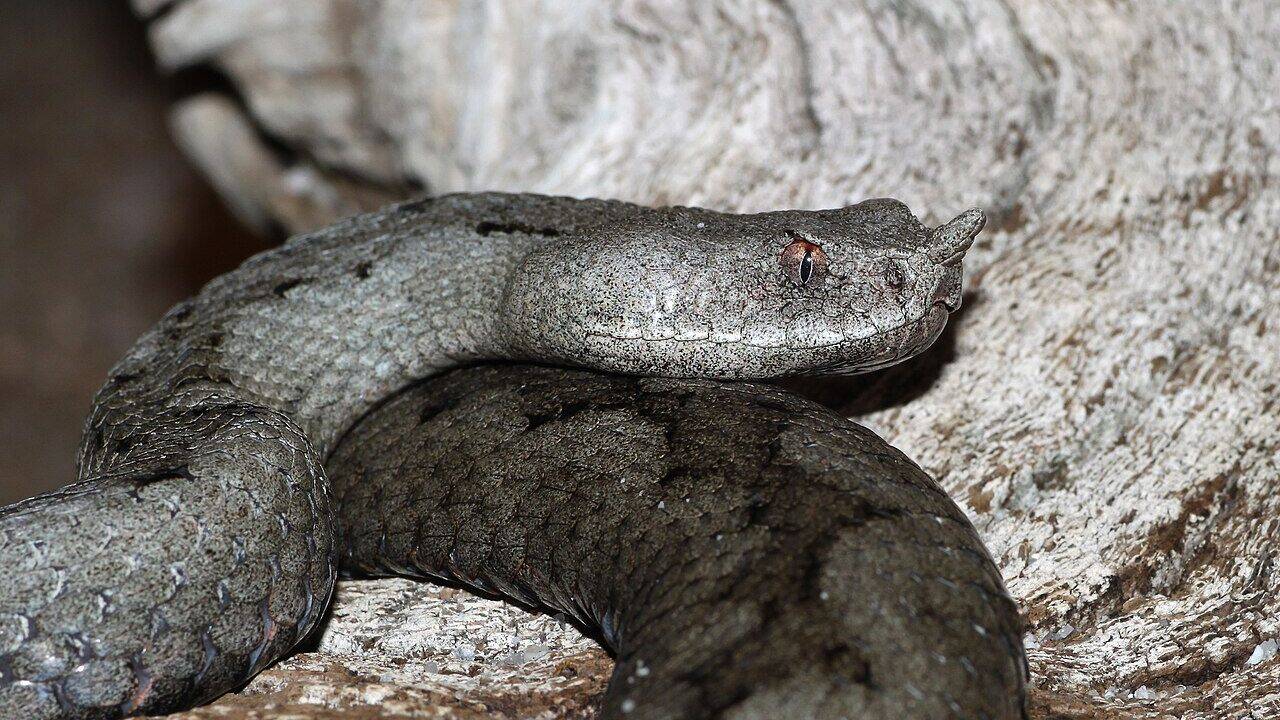
Stretching across western Tennessee along the Tennessee River, Kentucky Lake offers an enormous expanse of aquatic habitat. Long stretches of shoreline, sheltered inlets and flooded woodland create countless places where snakes can feed, rest and reproduce.
It is one of those waterways where seeing a snake during summer is rarely considered unusual.The species encountered most often is the northern watersnake. These nonvenomous reptiles spend much of their time around docks, rocky banks and fallen timber, where fish and amphibians are plentiful. Their dark appearance frequently leads to confusion with cottonmouths. Cottonmouths are also present around the lake, particularly in vegetated wetlands and quieter backwaters where dense cover provides suitable shelter.
Given the sheer scale of Kentucky Lake, snakes can turn up almost anywhere, from remote coves to well-used recreational areas.2. Reelfoot Lake
pc: wikipedia
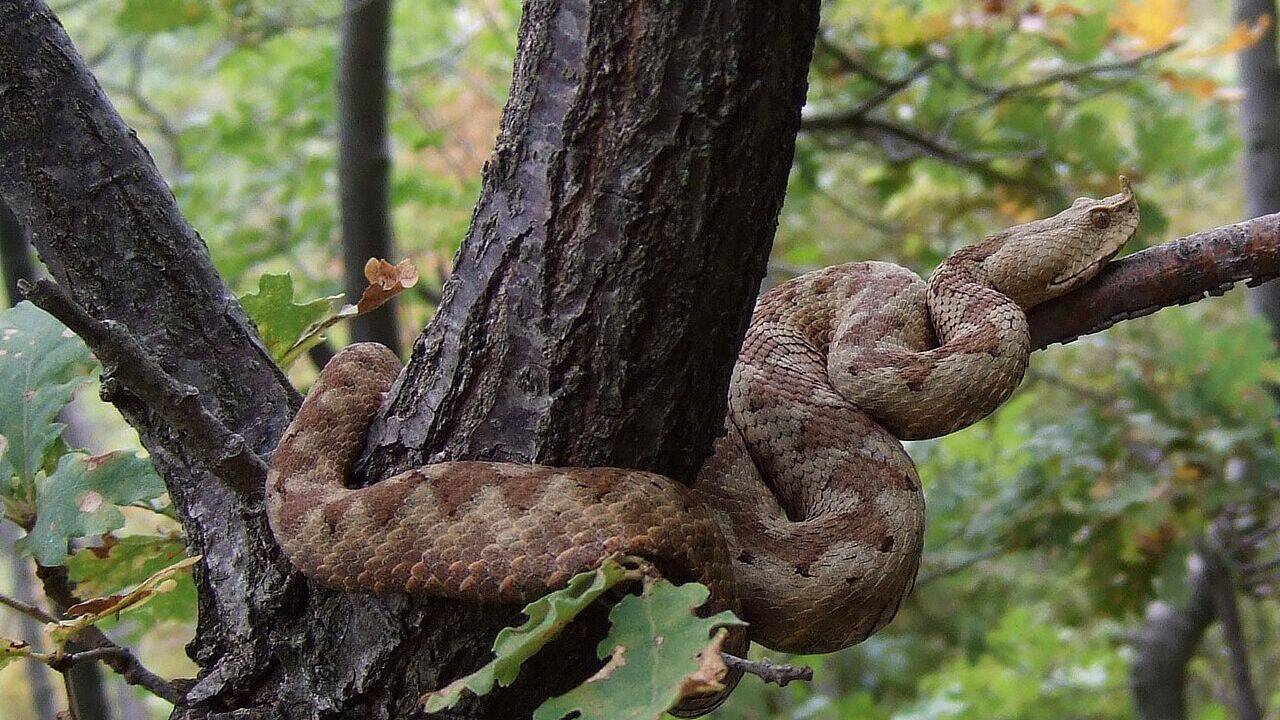
Reelfoot Lake has a very different character. Created by powerful earthquakes in the early nineteenth century, the lake is known for its shallow water, flooded cypress forests and extensive marshland. The landscape feels more like a wetland complex than a conventional lake, and that environment supports a remarkable diversity of reptiles.Among the most frequently encountered aquatic snakes is the copper-bellied watersnake. Individuals are often seen moving through vegetation-choked channels or resting on partially submerged branches. Cottonmouths also occupy many of the lake's swampy margins. Away from the water's edge, visitors may come across gray ratsnakes, eastern milksnakes and eastern hognose snakes using the dense cover provided by surrounding wetlands and woodland.
With roughly thirty snake species recorded from the broader area, Reelfoot remains one of Tennessee's richest locations for snake diversity.3. Chickamauga Lake
pc: wikipedia
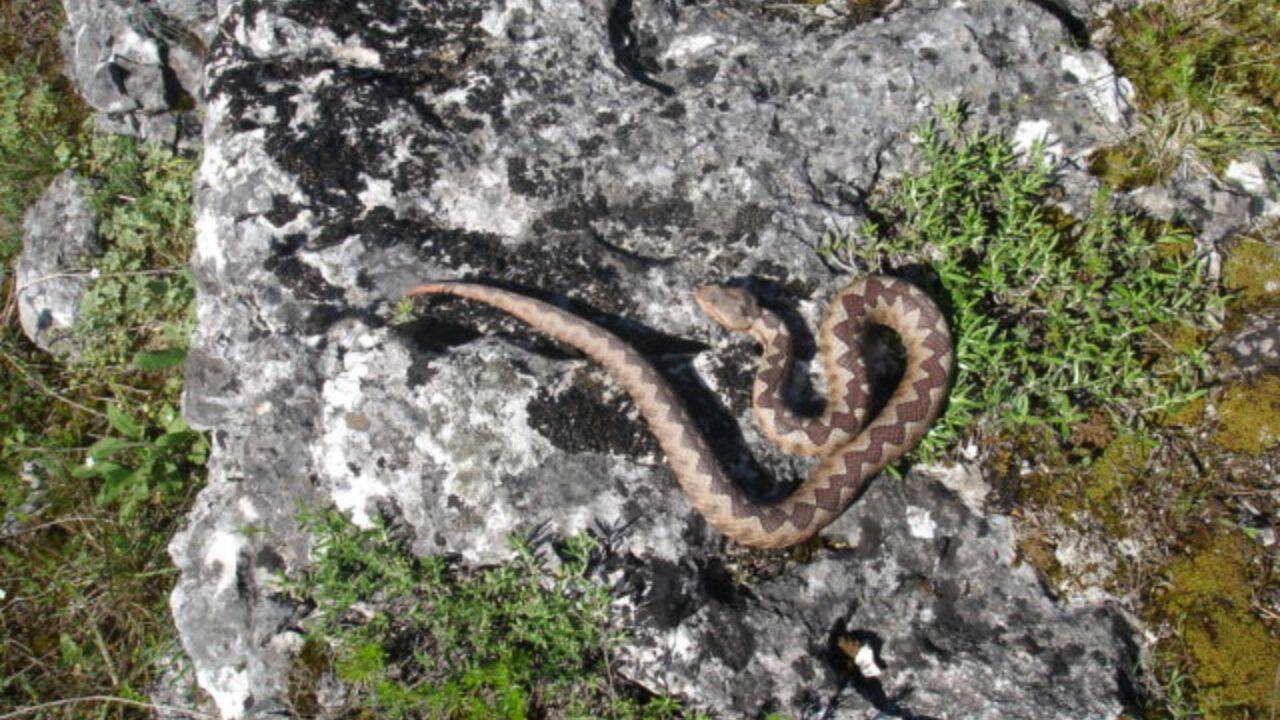
Running for nearly sixty miles through eastern Tennessee, Chickamauga Lake combines open water with sheltered coves, creek mouths and stretches of flooded vegetation. Conditions vary considerably along its length, allowing different species to occupy different parts of the reservoir.The diamondback watersnake is among the lake's characteristic residents. It is frequently found in shallow areas where fish and frogs are abundant. Its patterned body blends well with muddy water and shoreline vegetation, making it surprisingly difficult to spot until it moves. Northern watersnakes are also widespread and regularly use logs, rock embankments and boat docks as basking sites. Cottonmouths occur in some of the marshier sections connected to the reservoir, though they are generally encountered less often than the various watersnake species that dominate much of the shoreline habitat.4. Duck River
pc: wikipedia
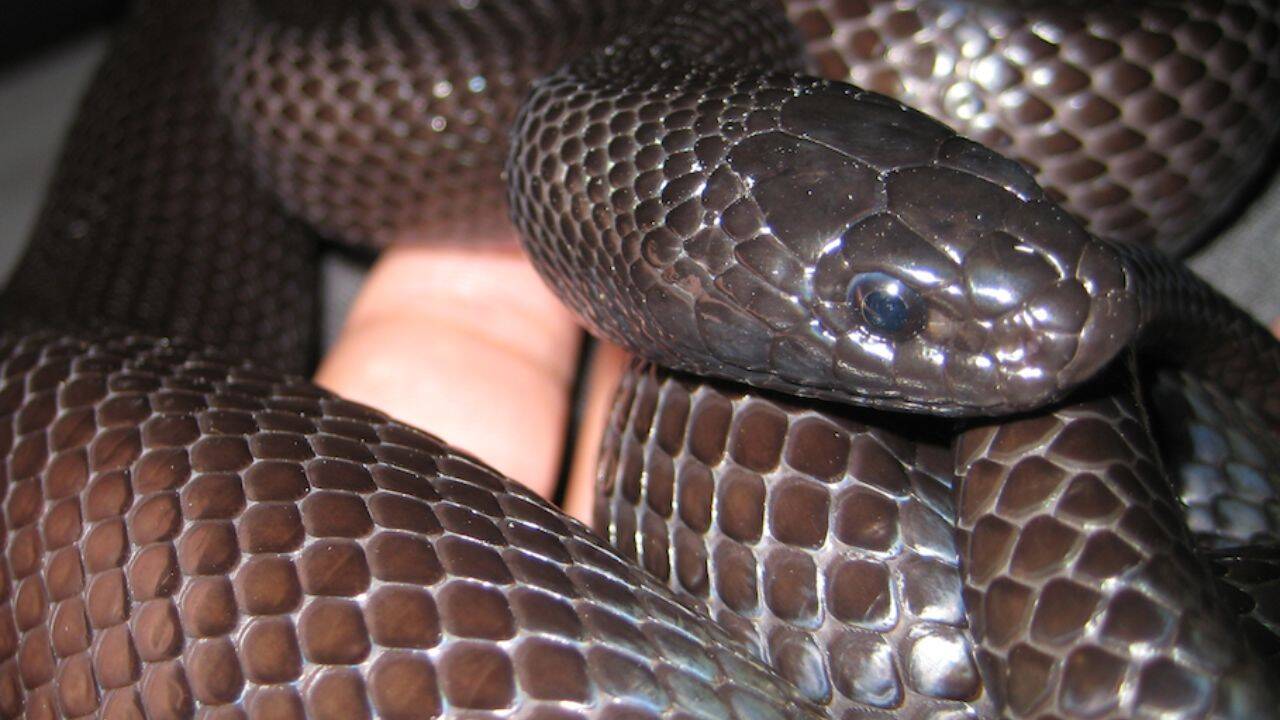
The Duck River follows a long course through central Tennessee, winding across floodplains, wooded valleys and stretches of limestone country. Conditions change from one section to another, creating a patchwork of habitats that support a broad range of wildlife.Northern watersnakes are common throughout much of the river system, particularly around submerged timber and rocky edges. Plain-bellied watersnakes occupy slower-moving reaches where calmer water provides suitable hunting conditions.
Cottonmouths can be found in nearby wetlands and quiet backwater areas connected to the river. In clearer tributaries, queen snakes occasionally appear, favouring waterways where crayfish are plentiful.
Timber rattlesnakes are also present in surrounding inland habitats, although they are typically associated with nearby upland areas rather than the river itself.5. Norris Lake
pc: wikipedia
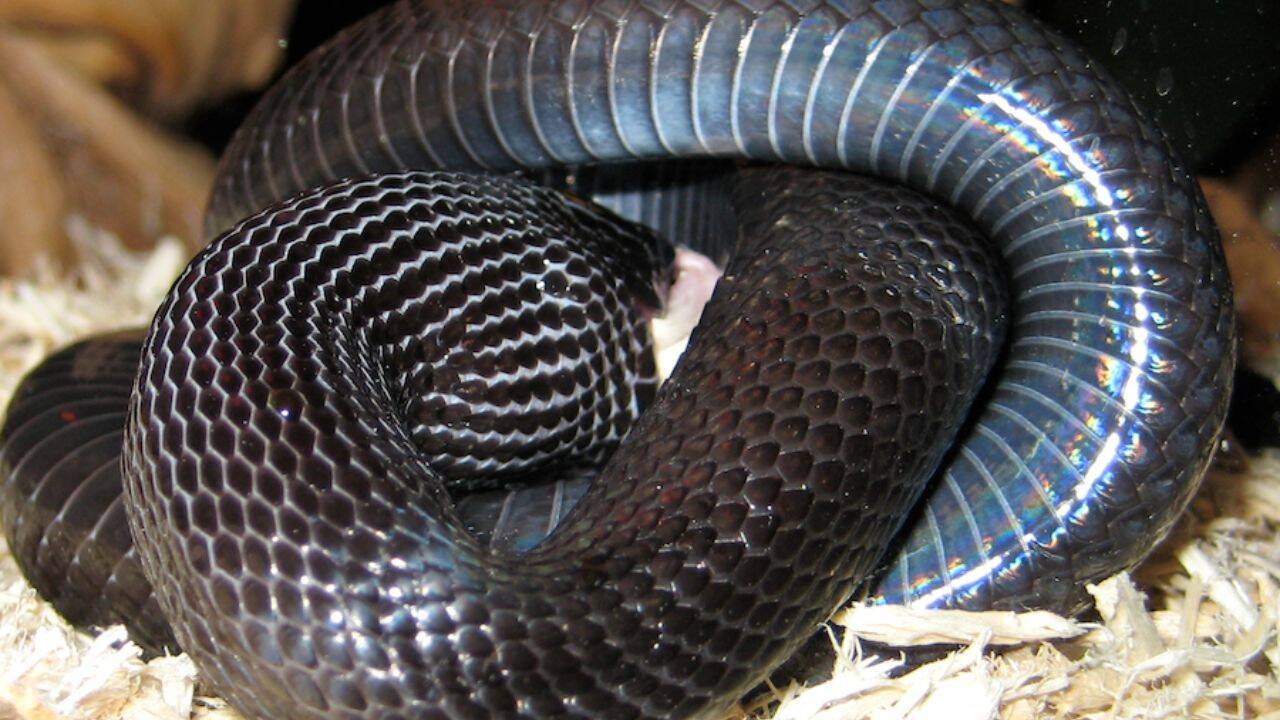
Norris Lake differs from many of Tennessee's wetter lowland habitats.
Formed along the Clinch River, it is characterised by deep water, rugged shorelines and a maze of tributary coves extending into the surrounding hills. Despite its clearer water and more mountainous setting, the reservoir still supports several species associated with aquatic environments.Northern watersnakes are the species most commonly observed by visitors. They frequently bask on exposed rocks, floating logs and dock structures before slipping into the water when approached. Tributary streams feeding the reservoir provide habitat for queen snakes, which are closely associated with clean, flowing water and rely heavily on recently moulted crayfish as prey. The combination of extensive shoreline and numerous creek systems means snake sightings remain a regular feature of outdoor recreation around Norris Lake.









 English (US) ·