

 1 day ago
3
1 day ago
3
ARTICLE AD BOX
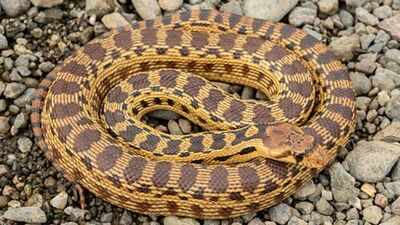
Arizona is often associated with deserts and towering cacti, yet many of its richest reptile habitats lie beside water. Lakes, rivers and permanent streams provide something that much of the state lacks for long stretches of the year: dependable moisture.
That attracts fish, amphibians, rodents and birds, creating feeding grounds for a wide range of snakes.Some species spend much of their lives close to the water, while others use the surrounding rocky slopes, scrubland and woodland before returning to drink or hunt. A few are protected because suitable habitat has become increasingly limited. From large reservoirs surrounded by desert hills to one of the state's last year-round creeks, these five Arizona waterways support an impressive variety of snake species and remain important parts of the region's natural landscape.According to WorldAtlas, check the list of the 5 Most snake-filled bodies of water in Arizona.
Snake species found in Arizona
| Waterbodies | Snake species |
| Lake Pleasant | Gopher snake, Coachwhip, Western diamondback rattlesnake |
| Theodore Roosevelt Lake | Northern Mexican gartersnake, Gopher snake, Coachwhip, Western diamondback rattlesnake |
| Patagonia Lake | Black-necked gartersnake, Coachwhip, Gopher snake, Kingsnake, Several rattlesnake species |
| Verde River | Narrow-headed gartersnake, Northern Mexican gartersnake, Black-necked gartersnake, Gopher snake, Several rattlesnake species |
| Cienega Creek | Gopher snake, Checkered gartersnake, Western diamondback rattlesnake, Black-necked gartersnake, Northern Mexican gartersnake |
Arizona’s most snake-filled waterbodies with diverse snake species
1. Lake Pleasant
Pc: wikipedia
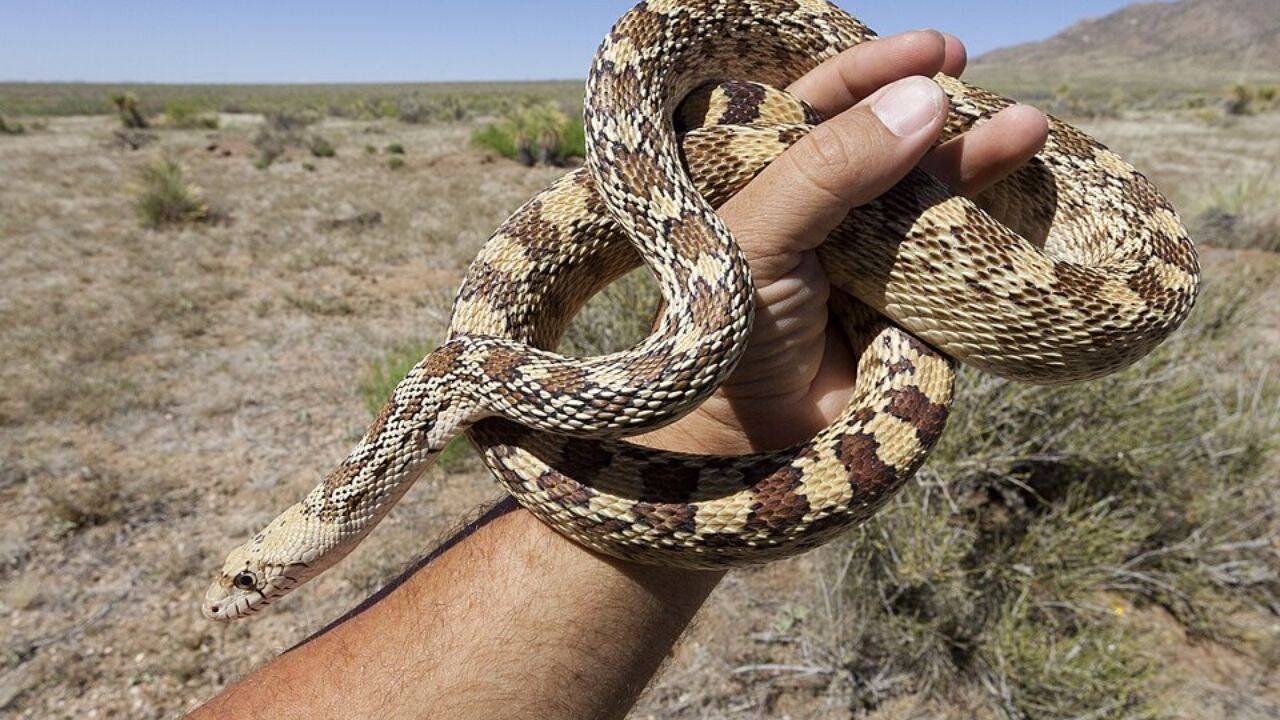
Just outside Phoenix, Lake Pleasant draws thousands of visitors for boating, fishing and camping, but the shoreline also supports a healthy snake population. Rocky inlets, desert washes and patches of thick vegetation around the reservoir provide shelter for several species that are well-suited to the Sonoran Desert.Among the snakes recorded here are gopher snakes, coachwhips and the western diamondback rattlesnake.
The changing water level leaves behind a mixture of exposed banks, shrubs and scattered cover where rodents and lizards are common, giving predators plenty to hunt. During the hottest part of the year many snakes become more active early in the morning or after sunset when temperatures ease. Anyone exploring quieter sections of the shoreline should remain alert for the western diamondback rattlesnake, recognised by its heavy body, diamond-shaped markings and the familiar rattle at the end of its tail.2. Theodore Roosevelt Lake
pc: wikipedia
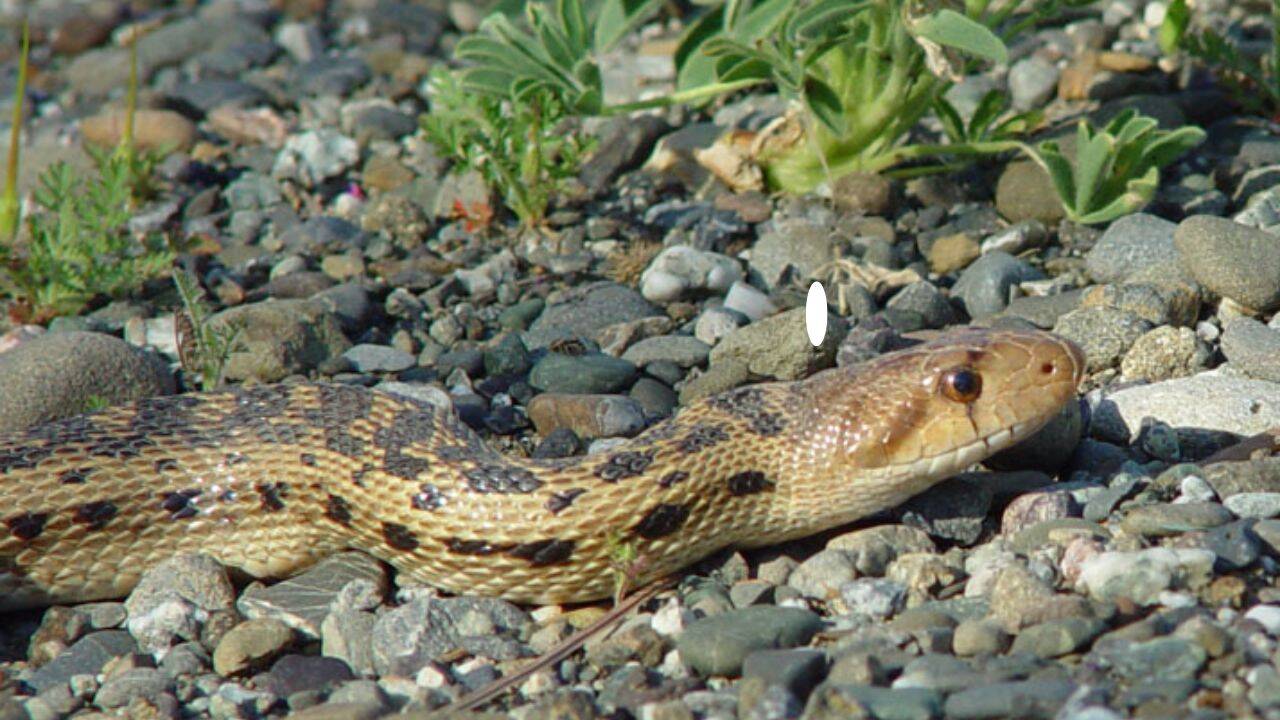
As the largest lake located entirely within Arizona, Theodore Roosevelt Lake provides a broad stretch of habitat where aquatic and desert wildlife meet. Its many coves, rocky margins and surrounding hills create different environments within a relatively small area, allowing several snake species to occupy the landscape at the same time.The reservoir is particularly important for the northern Mexican gartersnake, a species that spends much of its life close to water while feeding on fish, tadpoles and amphibians.
Alongside it live gopher snakes, coachwhips and western diamondback rattlesnakes, which use the drier slopes and shoreline vegetation. With more than twenty miles of water when full, the lake offers countless places where reptiles can bask, hide beneath driftwood or move between rocky crevices and waterside plants.
This combination of habitats has made the area valuable for wildlife observation as well as conservation.3. Patagonia Lake
pc: wikipedia
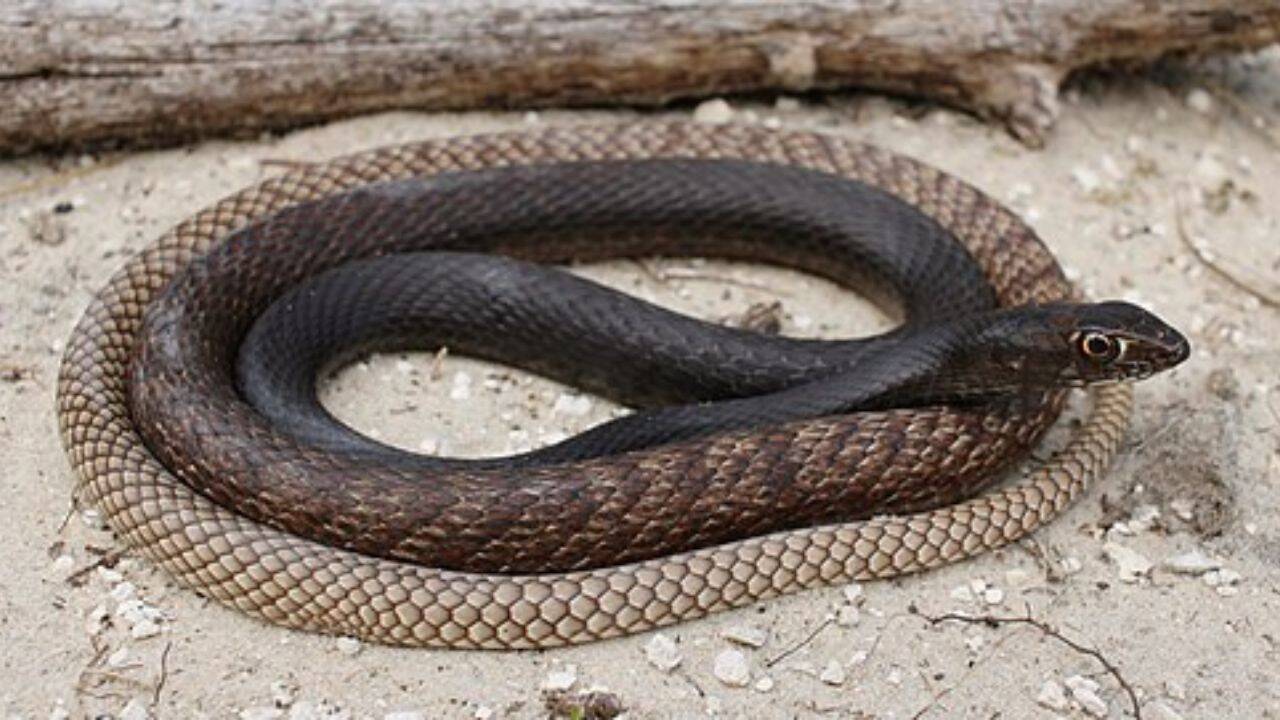
In southern Arizona, only a short distance from the Mexican border, Patagonia Lake supports wildlife that differs from that of many reservoirs farther north. Woodland, grassland and desert scrub all meet around the lake, while nearby Sonoita Creek supplies moisture that helps maintain greener surroundings than much of the region.The black-necked gartersnake is one of the best-known snakes found here, easily recognised by the dark marking behind its head and the bright stripes that often run along its body.
The lake and surrounding habitats are also home to coachwhips, gopher snakes, kingsnakes and several rattlesnake species. Permanent water encourages amphibians and small fish to remain in the area, providing food for water-associated snakes throughout much of the year.
That steady supply of prey makes Patagonia Lake one of southern Arizona's richer reptile habitats despite its relatively remote location.4. Verde River
pc: wikipedia
Unlike many waterways across Arizona, the Verde River still flows freely for much of its journey through central parts of the state.
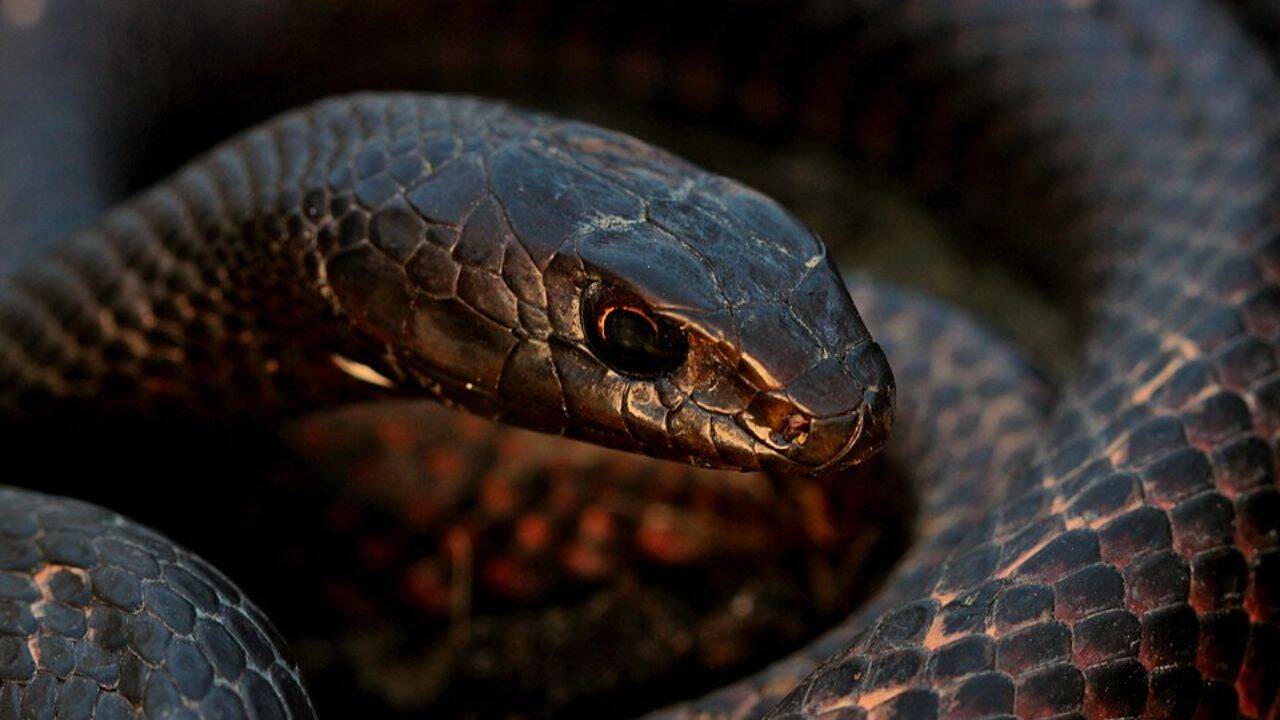
Stretching for around 190 miles before joining the Salt River, it forms a long corridor of freshwater bordered by cottonwoods, gravel bars, backwaters and dense riverside vegetation.One of the river's most distinctive residents is the narrow-headed gartersnake, a slender species adapted to life in moving water where it feeds mainly on native fish. The watershed also supports the northern Mexican gartersnake, black-necked gartersnake, gopher snakes and several rattlesnake species.
Although the federally threatened gartersnakes are rarely encountered, the river continues to provide habitat that has become increasingly uncommon elsewhere.
Undercut banks, shaded pools, and tangled vegetation give snakes places to hunt, rest and avoid predators along much of the river system.5. Cienega Creek
pc: wikipedia
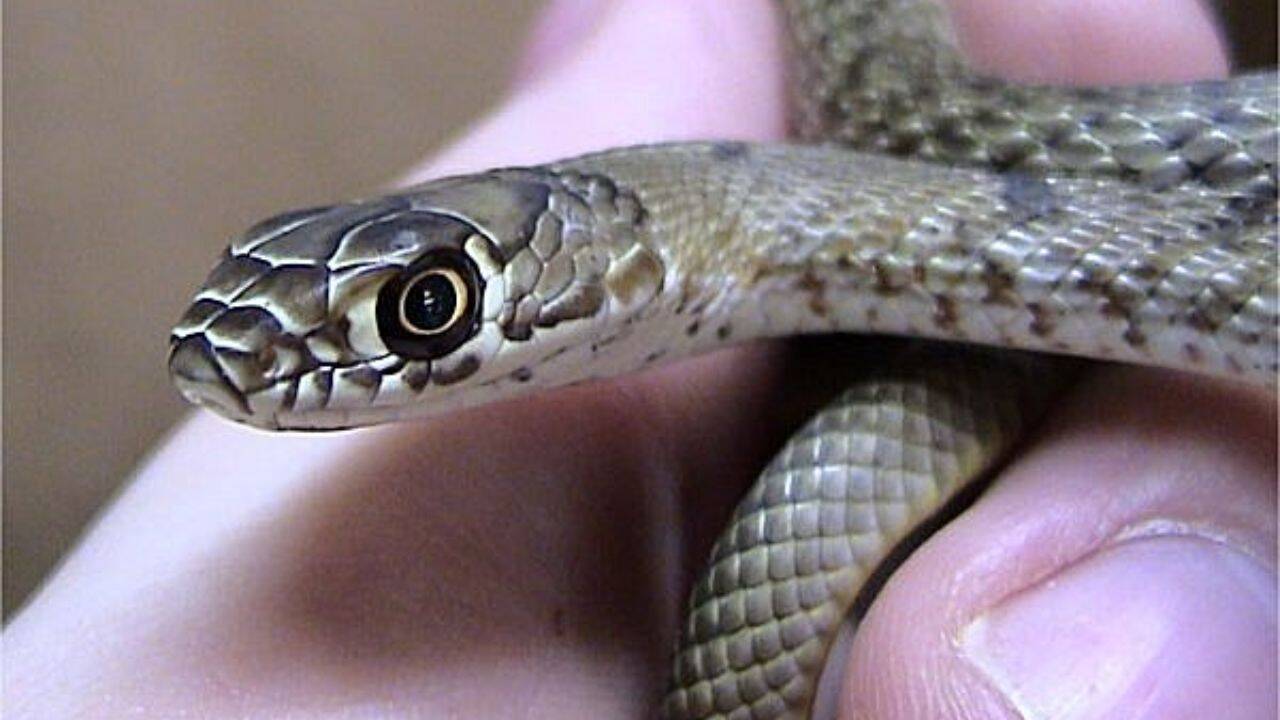
South-east of Tucson, Cienega Creek stands out because sections of it continue flowing throughout the year. In a landscape where many streams disappear during dry seasons, this remaining ribbon of permanent water supports marshes, willow stands and cottonwood groves that attract a wide variety of wildlife.The gopher snake, which can reach impressive lengths and usually displays a pale body marked with brown blotches, is among the better-known species found around the creek. Other snakes recorded here include checkered gartersnakes, western diamondback rattlesnakes, black-necked gartersnakes and the northern Mexican gartersnake. Shallow pools and marshy edges provide cover for amphibians and other prey, while nearby grasslands and mesquite woodland create additional hunting grounds.
Together, these habitats make Cienega Creek one of the more important surviving riparian environments in southern Arizona for both common and protected snake species.









 English (US) ·