

 1 hour ago
6
1 hour ago
6
ARTICLE AD BOX
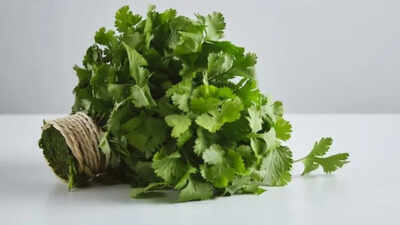
Coriander, also known as cilantro or dhania, is everywhere in Indian kitchens. It brings flavor to everything: dal, chutneys, curries, chaats, and pretty much any garnish. But fresh coriander is fragile.
You buy a bunch, and within days, it goes yellow, soggy, then black. Into the bin and your money goes with it.Why does this happen? Coriander spoils fast because it’s delicate, retaining high moisture, thin stems, and soft leaves. It reacts quickly to tiny changes in temperature, trapped water, and poor air flow. Shoving it wet into a plastic bag makes it rot even faster.But here’s the good news: you can keep coriander fresh for a week, sometimes longer, with simple tricks.
No need for expensive containers or gadgets. Paper towels, jars, steel boxes, or even old bottles do the job.Everyone agrees on one rule: control moisture, but don’t dry it out completely. Need some more explaining in detail? Let’s unpack.
Vertical water-vase method
First comes the water vase trick. For this method, treat coriander like flowers. Trim the stem ends, stand the bunch upright in a glass jar with an inch of water, loosely cover the leaves with a plastic bag, and stick it in the fridge.
This lets stems absorb water but keeps leaves from drying. Change the water every couple of days. This trick can keep coriander fresh for up to ten days. Trimming brown ends helps, just like you would with flowers.
The paper towel wrap
This one works best if you’ve already washed the coriander. Wash and dry the leaves thoroughly, wrap them in a slightly damp paper towel, not dripping wet, then stick the bundle in a zip bag or airtight box. The towel keeps just enough moisture to prevent wilting without making the leaves slimy.
Done right, you’ll get five to seven days of freshness. “Damp” is the keyword here: not soaking wet, not bone dry.
The airtight box with paper towel layers
To apply this method, line a container with paper towels, spread out dry coriander, add another paper towel on top, then close it tightly. The towels absorb condensation and “sweating” inside the box. Many Indian homes swear by this setup. Every time you open the container, the leaves stay dry and crisp.A pro tip: Consider storing in an airtight container with paper towels at the bottom and top, with no moisture.
This can hold the freshness for ten days.
The steel dabba and cotton cloth hack
This one’s a desi hack that works like magic. Instead of plastic, use a steel tiffin box, a classic Indian kitchen staple, lined with dry muslin or cotton cloth. Put the coriander inside, fold the cloth over, and close. Steel keeps things cool, and the cloth breathes better than plastic. Avoids that nasty stale smell you sometimes get from plastic boxes.
Roots-first Ziploc trick
In case your coriander comes with roots and stems attached, wrap just the roots and lower stems in a damp cloth, keep the leaves dry, and pop it all in a Ziploc bag with a bit of air.
Think of this like a mini greenhouse — the roots stay moist, leaves avoid wet plastic (which causes most rot). Best not to wash before storing.
Don’t pre-wash if you can avoid it
Unless absolutely needed, skip washing before storing. Too much moisture causes quick spoilage. Wash coriander right before using, not before refrigerating. If you must, make sure it’s totally dry before storage: air-drying under a fan or using a towel can help. Some Indian homes use a turmeric-salt rinse for sanitation.
Quickly soaking in cold water with turmeric and salt can remove dirt and germs, but dry the leaves fully before tucking them away.If you have no access to a fridge, that’s not a problem, either. You can wrap dry coriander in cotton or newspaper and store it in a cool, dry spot. Clay pots and steel boxes still work in lots of homes.At its core, coriander's freshness boils down to moisture balance. Too much water? Rot. Too little? Drying. Find the sweet spot. So trim the stems, keep leaves dry, don’t pack wet herbs in tight plastic, and let them breathe. Saving coriander isn’t just a kitchen convenience; it means less waste, fewer trips to the shop, and tastier meals. And as they say, sometimes, the best cooking “hack” is figuring out how to store your food right.









 English (US) ·