

 1 week ago
5
1 week ago
5
ARTICLE AD BOX
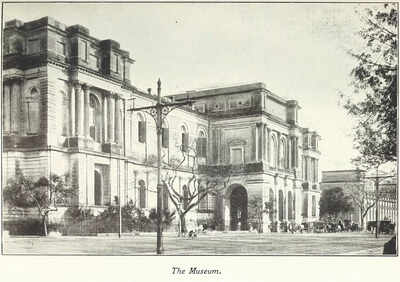
As Calcutta Times marks 25 years of telling Kolkata’s stories, we revisit one of Kolkata’s most iconic landmarks – theIndian Museum. At 212, it’s among the world’s oldest museums and the largest in the Asia-Pacific.
In a conversation with us, director Sayan Bhattacharya reflects on its evolving role.
“We’ve moved from being a custodian of history to a participant in cultural life. Our goal is to ensure that the museum doesn’t merely preserve the past, but helps people engage with it in meaningful ways.”
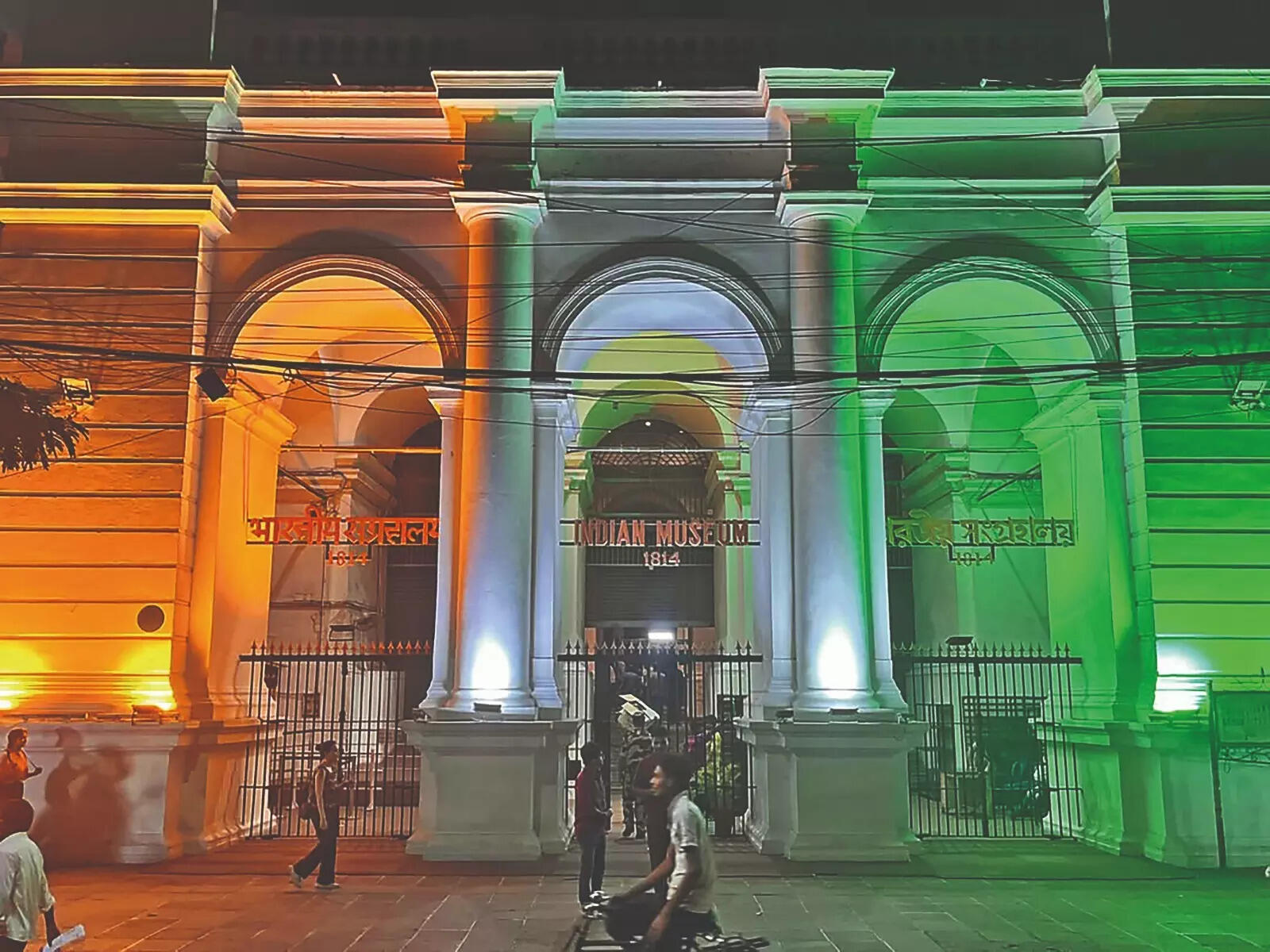
From preservation to participationToday, the museum is a living cultural space where heritage meets the present. AI-based restoration with IIT Kharagpur, digital kiosks, and modern displays bring artefacts alive.
“Our vision is participatory heritage,” says Bhattacharya. Initiatives like Vande Mataram March and Vande Virasat concerts, led by CV Ananda Bose, featured artistes including Usha Uthup, Kailash Kher, & Malini Awasthi. The exhibition, Dialogue Across Time paired ancient sculptures with contemporary works by more than 100 artists.
Inclusivity initiatives open galleries exclusively for specially-abled visitors, making the museum a place not just to see, but to feel.
What it was: The grand old custodian of India’s heritageWhen the Indian Museum opened its doors in 1814, it was envisioned as a repository of South Asia’s treasures — a scholarly sanctuary where fossils, manuscripts, artefacts, and artworks told the story of a civilisation. For over two centuries, it served as a quiet guardian of knowledge and a silent witness to the unfolding of India’s own modern story. “For a long time, our identity was rooted in preservation,” says Bhattacharya.
“We safeguarded history. But museums must also speak to their time, and their people.”
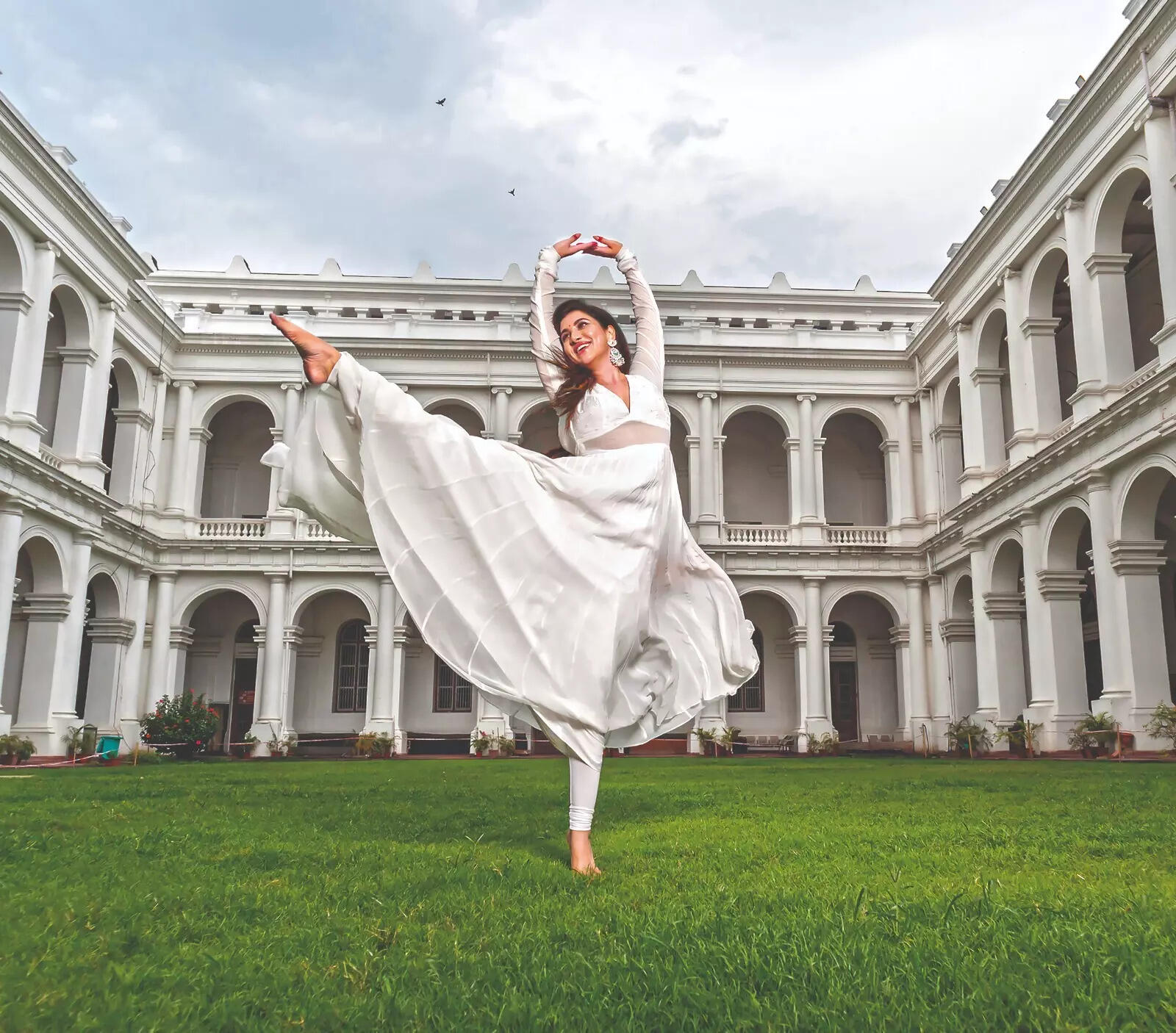
Why we like it so muchBecause the Indian Museum isn’t frozen in time, but lives with it. It’s where tradition meets technology, where folk songs meet philosophy, and where art meets empathy. “We believe culture must be inclusive and dynamic,” says Bhattacharya. “Every person who walks in should feel that this heritage belongs to them.” Every month brings a new rhythm to its marble halls, from Dona Ganguly’s Vasanta Utsav, to Sahaj Parav, a celebration of folk and root music.
Collaborative performances with Sanskar Bharati, partnerships with global embassies, and even meditation sessions have turned the museum into a cultural crossroads.The museum must not just display history but also connect with it. We’re creating a space where knowledge becomes an experience, and visitors become part of the story– Sayan Bhattacharya, director, Indian MuseumDancing during Holi at the Indian Museum feels timeless and deeply personal – moving to classical rhythms amid its historic halls, celebrating colour, heritage, and centuries-old traditions in a soulful tribute to India’s living cultural legacy– Dona Ganguly
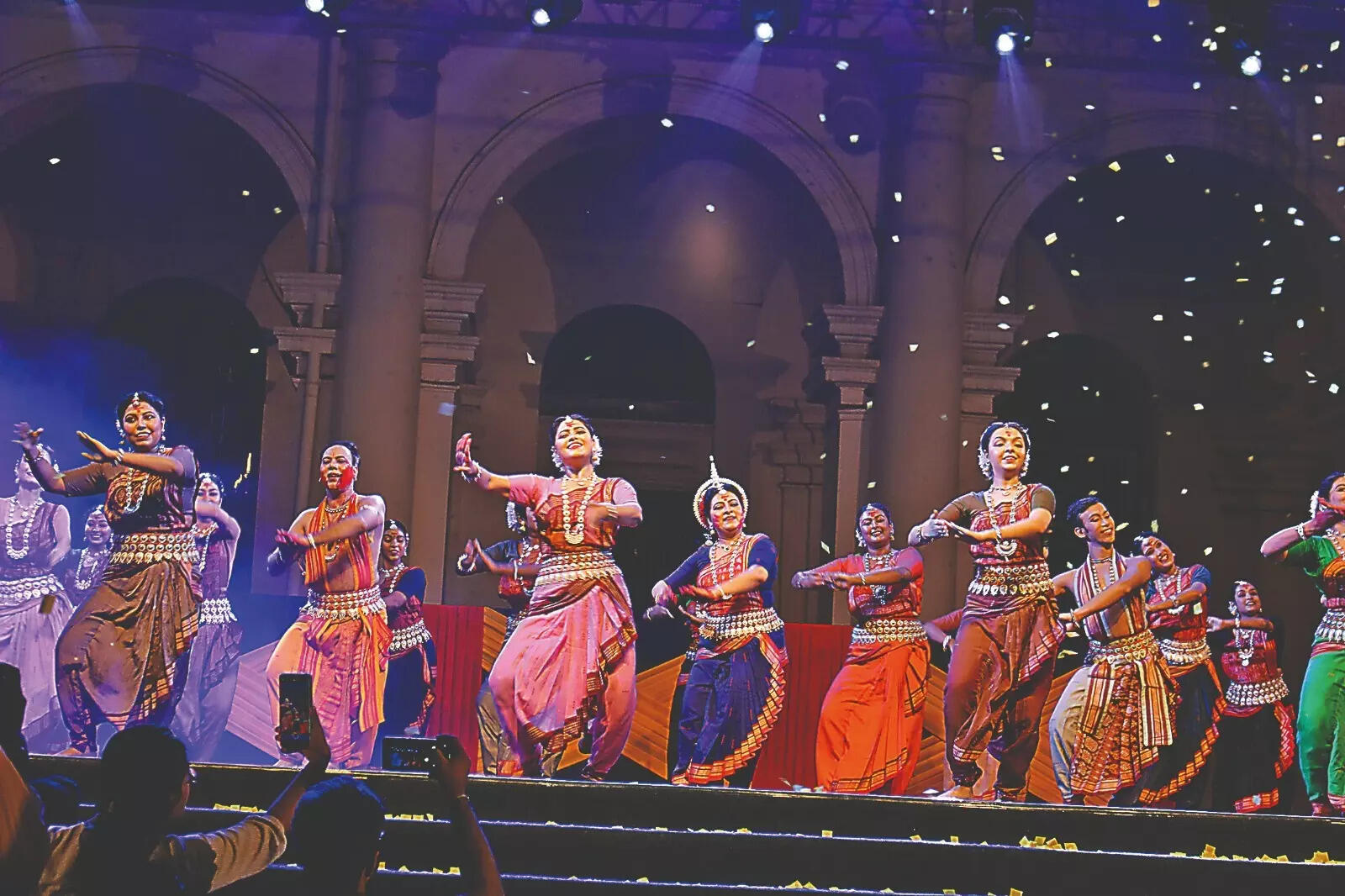
Dona Ganguly and her troupe members perform Kathak on the museum grounds during the Vasanta Utsav celebrations
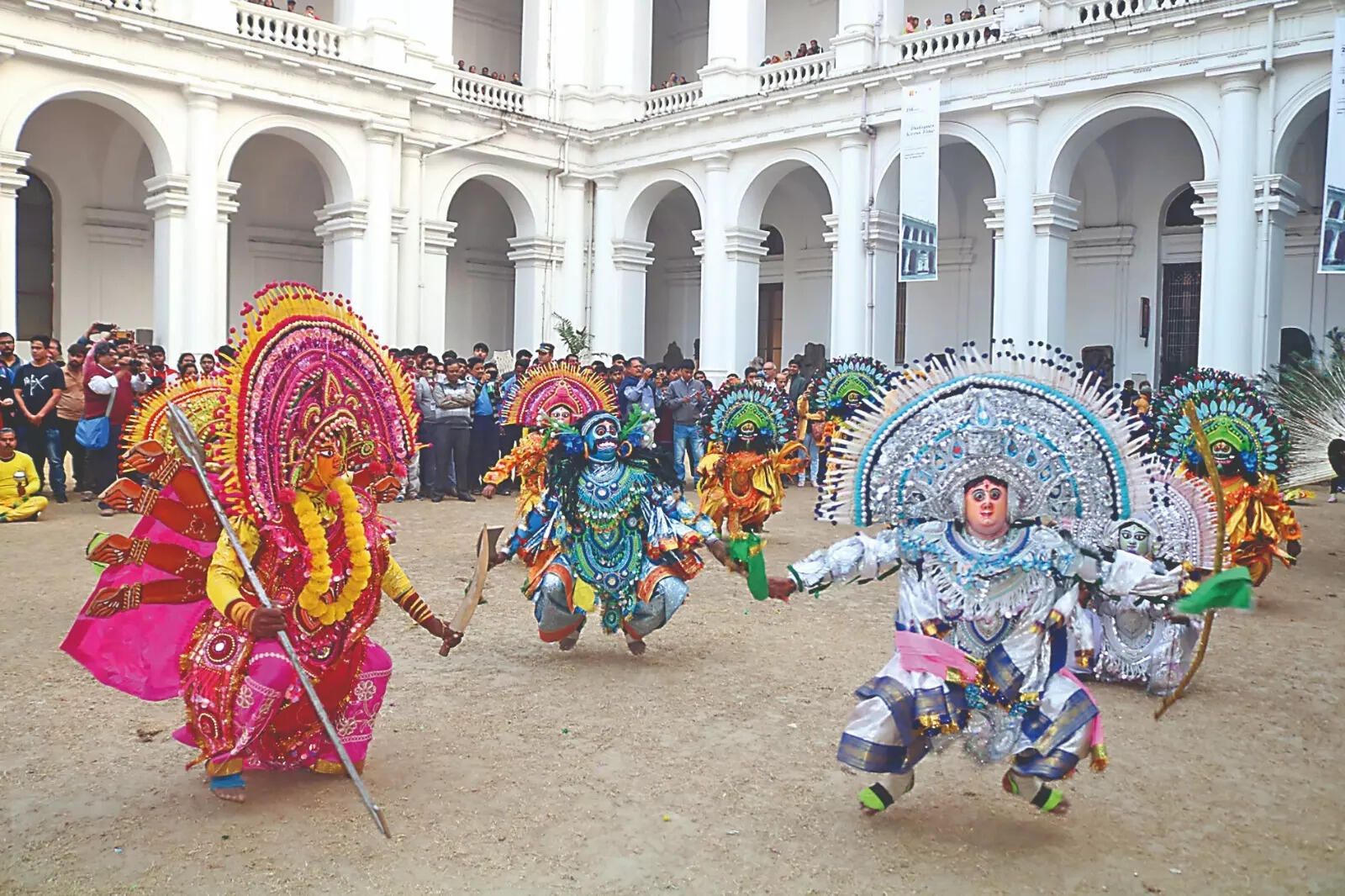
A Chhau performance during the exhibition, Dialogue Across Time


 English (US) ·