

 1 hour ago
4
1 hour ago
4
ARTICLE AD BOX
Last Updated:June 25, 2026, 12:14 IST
Government sources said the law has long distinguished between holding a passport and conclusively proving Indian citizenship.


The legal position that a passport, by itself, is not conclusive proof of Indian citizenship is not new.
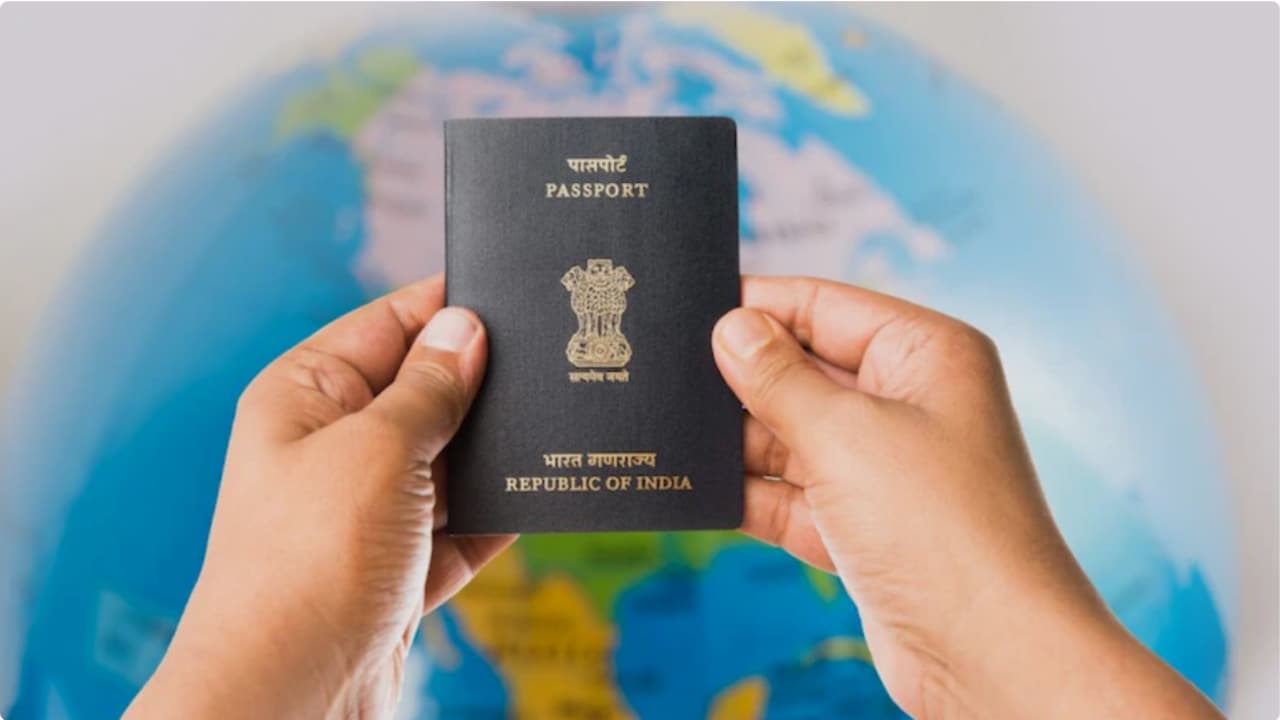
The recent debate over whether an Indian passport constitutes proof of citizenship has generated considerable confusion on social media. Many have interpreted the issue as a new legal development or a recent policy shift. Top government sources point out that neither is true.
The legal position that a passport, by itself, is not conclusive proof of Indian citizenship is not new. It has existed for decades in Indian law and has been reaffirmed by courts on multiple occasions.
At the heart of the matter is the Passports Act, 1967. While passports are generally issued to Indian citizens for international travel, the law itself contains provisions allowing the Central Government to issue passports or travel documents even to non-citizens under exceptional circumstances.
Section 20 of the Act provides that the Central Government may issue “a passport or travel document to a person who is not a citizen of India if that Government is of the opinion that it is necessary so to do in the public interest".
This provision demonstrates that the existence of a passport does not, in every circumstance, establish citizenship beyond doubt.
Indian courts have also addressed this distinction. In a series of rulings, including judgments of the Bombay High Court in 2013, the judiciary clarified that possession of a passport alone cannot be treated as definitive proof of Indian citizenship, government sources point out.
So, who is an Indian citizen?
In the said ruling, the Bombay High Court noted that citizenship laws stipulate that a person born in India after July 1, 1987, cannot claim automatic citizenship unless at least one parent is an Indian citizen. The court was hearing the case of a man and three others who had been charged with being illegal immigrants despite producing passports.
The court refused to grant them relief. They were later terminated.
This principle is not unique to India. Across the world, passports primarily function as travel documents issued by states. While they often serve as strong evidence of nationality, they are not necessarily conclusive proof in legal proceedings concerning citizenship disputes.
Governments retain the power to issue special travel documents under exceptional circumstances, and citizenship determinations frequently require the examination of additional records.
The Passports Act predates the present government by decades, and the relevant judicial interpretations were articulated years ago.
Whether one agrees or disagrees with contemporary citizenship policies, it is important that public debate begins with an accurate understanding of the law. On the specific question of passports and citizenship, the legal record is clear: a passport is an important identity and travel document, but it has never been treated as conclusive proof of Indian citizenship under Indian law.
Handpicked stories, in your inbox
A newsletter with the best of our journalism
About the Author
Anindya Banerjee, Associate Editor brings over fifteen years of journalistic courage to the forefront. With a keen focus on politics and policy, Anindya has garnered a wealth of experience, with deep ...Read More
News india A Passport Does Not Automatically Prove Indian Citizenship. The Law Has Said So For Decades
Disclaimer: Comments reflect users’ views, not News18’s. Please keep discussions respectful and constructive. Abusive, defamatory, or illegal comments will be removed. News18 may disable any comment at its discretion. By posting, you agree to our Terms of Use and Privacy Policy.
Read More







 English (US) ·