

 1 week ago
7
1 week ago
7
ARTICLE AD BOX
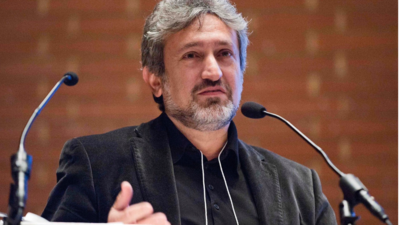
Founder Garik Israelian speaking at Starmus I | Wikimedia Commons
What began as an ambitious experiment combining science and music has grown into one of the world’s most influential science festivals. When astrophysicist Garik Israelian and Queen guitarist Brian May launched STARMUS in 2011, they had no idea it would eventually become a global platform bringing together astronauts, Nobel laureates, researchers, artists and political leaders.
The journey, however, was anything but smooth.
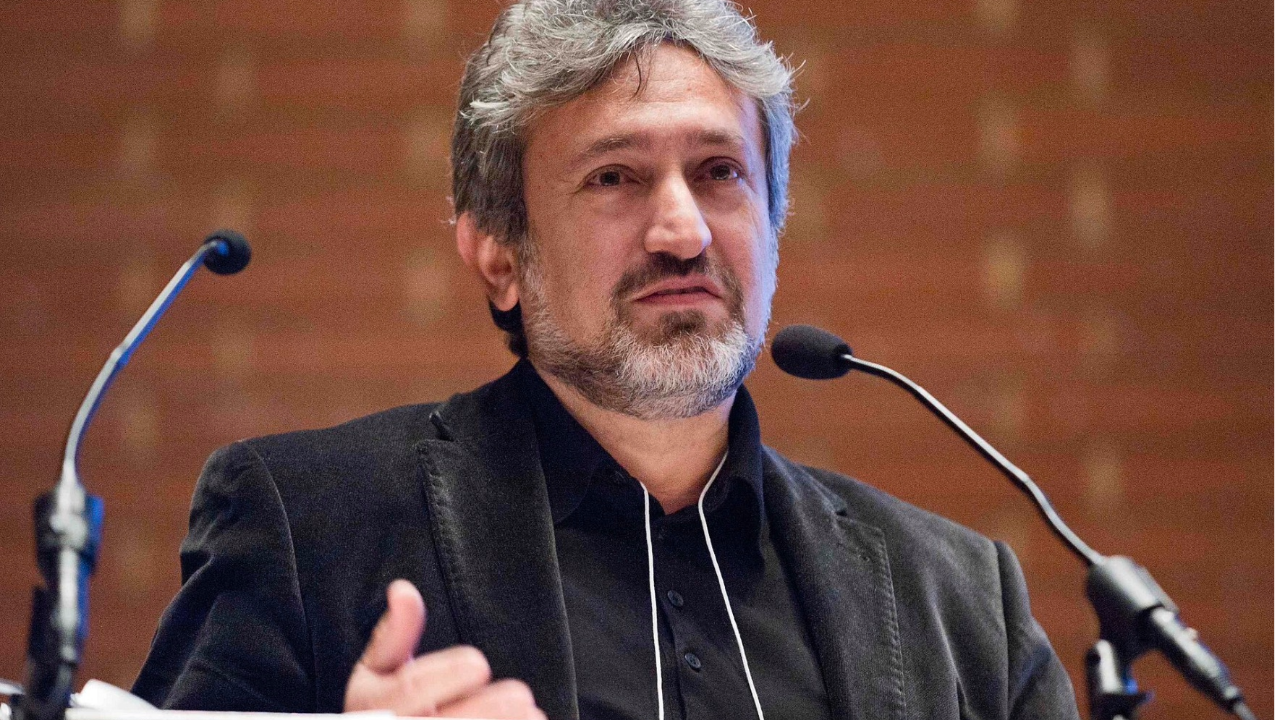
Founder Garik Israelian speaking at Starmus I | Wikimedia Commons
From a financial flop to a global science gatheringThe inaugural STARMUS festival was built around the 50th anniversary of Soviet cosmonaut Yuri Gagarin’s historic spaceflight. It featured an extraordinary lineup that included Apollo astronauts Neil Armstrong, Buzz Aldrin, Jim Lovell, Bill Anders, and Charlie Duke, alongside Soviet-era cosmonauts Alexei Leonov and Viktor Gorbatko, according to the Starmus Official Website. Yet despite the star-studded guest list, the event sold only around 60 tickets because many people simply did not believe such legendary figures would actually attend.
The festival suffered major financial losses, although those who attended witnessed a unique gathering of some of the greatest names in space exploration.Garik Israelian later recalled that the festival itself was an overwhelming success from an intellectual standpoint, even if it failed commercially. The event also stood out because it remained free of corporate sponsorship and political influence, something that Neil Armstrong reportedly appreciated when deciding to participate.
Stephen Hawking helped transform STARMUSThe festival’s fortunes began changing after renowned physicist Stephen Hawking became involved. After hearing about STARMUS through fellow physicist Kip Thorne, Hawking agreed to attend a later edition and eventually joined the festival’s advisory board. His participation significantly boosted the event’s global profile and inspired the creation of the Stephen Hawking Medal for Science Communication, an award recognizing individuals who make science more accessible to the public.As per the Starmus Official Website, over the years, recipients have included filmmaker Christopher Nolan, musician Brian Eno and composer Hans Zimmer, reflecting the festival’s belief that storytelling and creativity play an important role in science communication.
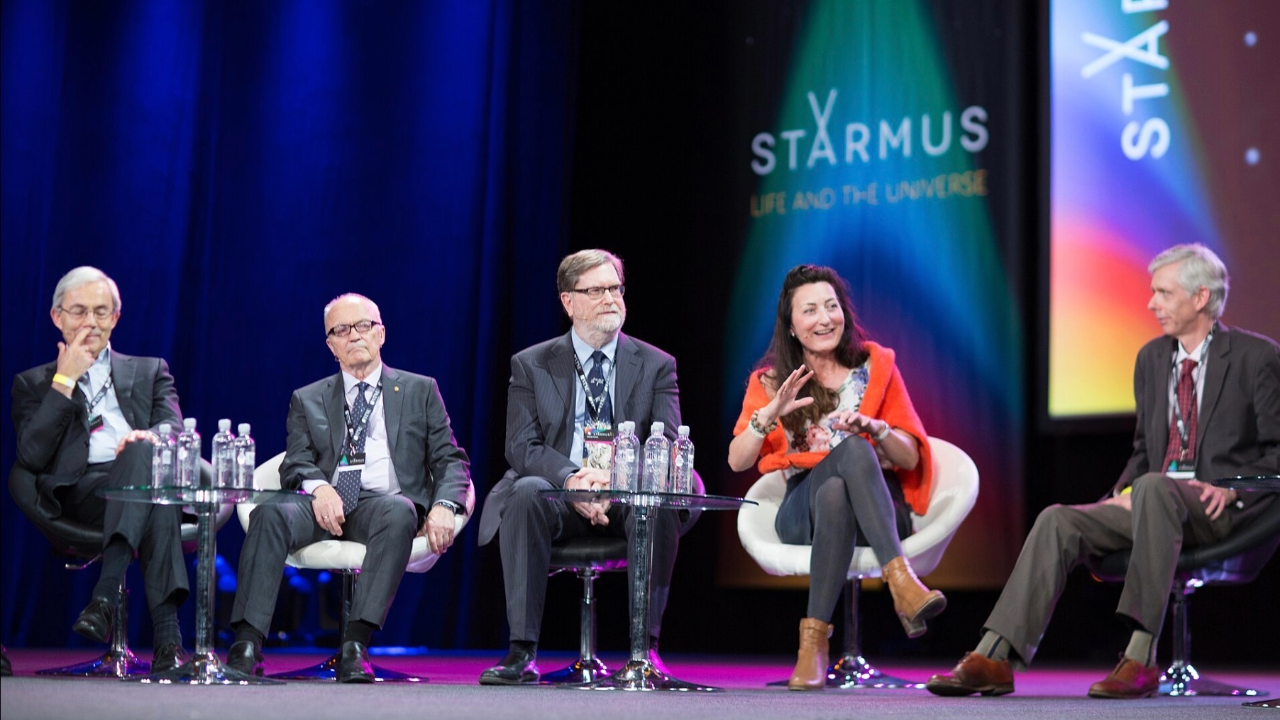
Nobel Prize laureates, Starmus IV | Wikimedia Commons
A new focus on Earth and the search for truthAs STARMUS expanded internationally, its scope also widened beyond astronomy. Organizers increasingly began addressing climate change, biodiversity, artificial intelligence, and other global challenges. According to the Starmus Official Website, the upcoming STARMUS VIII festival, returning to Tenerife, will introduce the Jane Goodall Earth Medal, recognizing individuals working to protect nature, wildlife, and the environment.Brian May says the festival’s newest theme, “The Search for Truth,” reflects growing concerns about misinformation and declining public trust in science. Rather than trying to influence governments directly, he believes educating the public is the most effective way to encourage evidence-based decision-making. Organizers argue that helping people distinguish reliable science from misinformation has become one of the defining challenges of the modern era.A festival with a bigger missionLooking back, Israelian says the financial setbacks of the first STARMUS festival now seem insignificant compared with its long-term impact. What started as a risky idea that struggled to fill seats has evolved into a global meeting place for astronauts, Nobel Prize winners, scientists, artists, and environmental advocates.For its founders, STARMUS is no longer simply a science festival. It has become a platform for promoting critical thinking, celebrating scientific achievement, and encouraging the public to engage with evidence at a time when truth itself is increasingly being challenged.




 English (US) ·