

 1 week ago
8
1 week ago
8
ARTICLE AD BOX
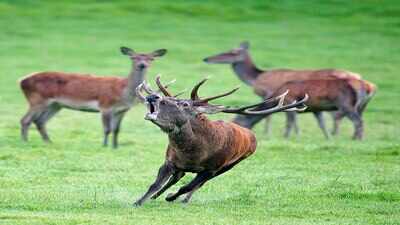
Red deer. Image Credit: Wikimedia Commons
A strain of epizootic haemorrhagic disease virus, first detected in Spain in autumn 2022, is causing serious disease in red deer. Scientists have found new evidence that the virus can damage the brain, lungs, and kidneys of infected animals.The findings were reported in a peer-reviewed study published in the journal Veterinary Research, available through Springer Nature, which examined the clinical signs and pathology of red deer naturally infected with epizootic haemorrhagic disease virus serotype 8 (EHDV-8). The study says the virus is associated with significant harm to several body organs and with severe neurological disorders, breathing problems, and mortality in clinically ill deer.New insight into the effect of the virus on red deerEpizootic haemorrhagic disease (EHD) is caused by a viral infection that affects wild and domesticated ruminants. The disease is transmitted by tiny blood-sucking insects called biting midges, which belong to the genus Culicoides. According to the World Organisation for Animal Health (WOAH), the disease is notifiable because of its impact on animal health and livestock trade. Even though this virus has been circulating in other regions for several decades already, it was first detected in Europe at the end of 2022.
Initial outbreaks were recorded in cattle in the regions of Sicily and Sardinia in Italy, followed by infections in cattle and red deer in southwest Spain.In the new study, the researchers analyzed 16 red deer that died from natural infection with EHDV-8. In addition, nationwide survey data as well as surveillance of an outbreak of EHD on a Spanish deer farm were conducted.
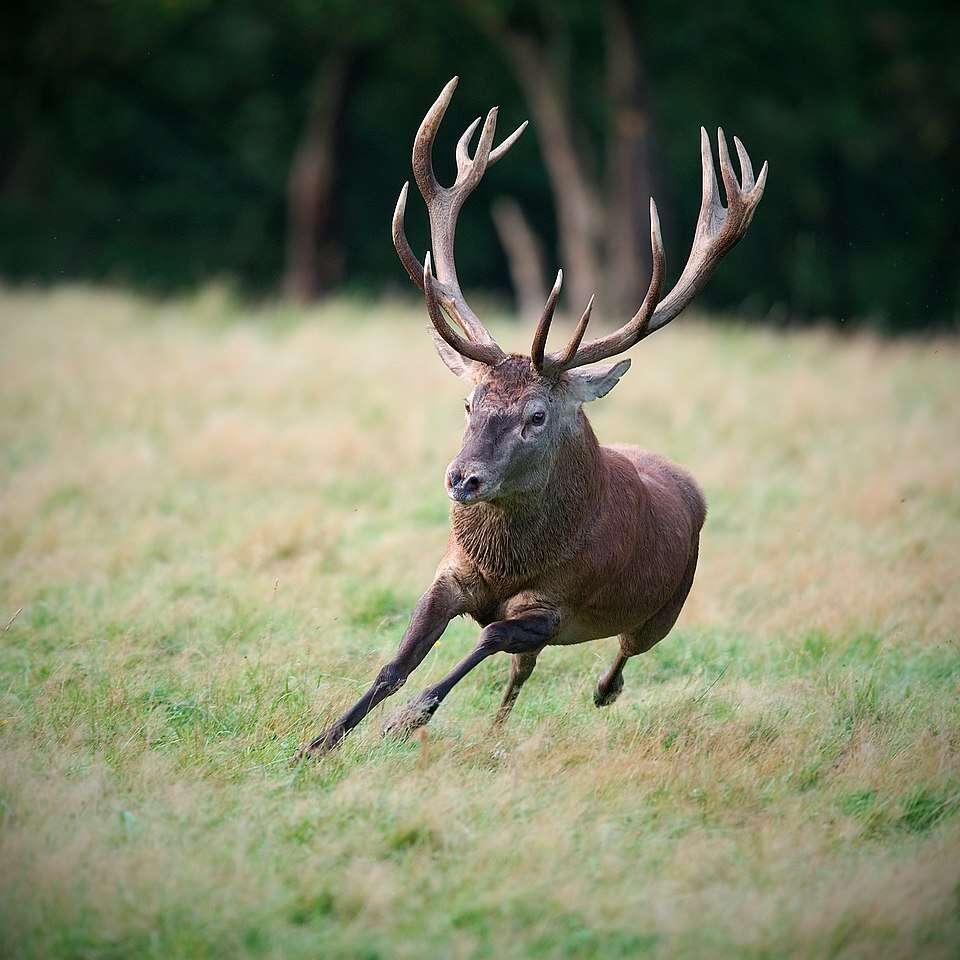
Red deer. Image Credit: Wikimedia Commons
The brain is one of the most affected organsAccording to the Veterinary Research article, the brain was one of the most damaged organs.
All the brains analyzed exhibited swelling, inflammation, and damage to neurons. The scientists also noted the occurrence of gliosis in all the analyzed samples. This is an adaptive reaction of the brain to its injury.These findings help explain neurological symptoms such as lack of coordination, repetitive head movements, unusual postures, blindness, and, in some cases, coma. The lungs were also severely affected.
Almost every animal exhibited a high degree of congestion, bleeding into the lung tissue, and accumulation of fluid, which made breathing impossible. Similarly, the kidney suffered from massive degenerative and necrotic changes.Scientists came to the conclusion that EHDV-8 causes systemic disease, which means that the infection damages several organs at the same time.Clinical morbidity leading to high mortality in clinically sick deerFrom the observed outbreak in southern Spain, 118 out of 1,709 red deer showed signs of being sick, resulting in a morbidity rate of 6.9 percent.Out of the sick individuals, more than 70 percent succumbed, indicating the severity of the disease. Males were mostly affected compared to females, and adults were more affected compared to juvenile individuals during the outbreak. The scientists speculate that male adults could have been especially prone to the infections since they occurred at a time when there was the autumn rutting behavior, which involves high physiological stress and low food consumption.Implications of the findingsThe research also demonstrated the presence of virus particles in other body organs, such as the liver, lungs, spleen, kidneys, lymph nodes, brain, and reproductive organs. The scientists observed that viral proteins were mainly located in immune cells such as macrophages and lymphocytes, which may facilitate the distribution of the virus.The researchers indicate that infection of immune cells could temporarily affect immune function and increase susceptibility to other infections.Apart from wildlife conservation issues, the spread of EHDV-8 affects the economy since the restrictions on the movement of live ruminants in the European Union due to outbreaks led to great losses for cattle farms. The study further demonstrates that monitoring is required for some wild species, including roe deer, fallow deer, mouflon, and Iberian ibex, that are susceptible to virus infection. Nevertheless, the researchers stressed that although cows and red deer have been the worst affected species in Spain so far, understanding how the virus works in wild animals will be vital for preventing future outbreaks.This appears to be the first detailed study on the pathology of EHDV-8 infection in red deer and suggests the virus poses a serious risk to the species.








 English (US) ·