

 4 days ago
5
4 days ago
5
ARTICLE AD BOX
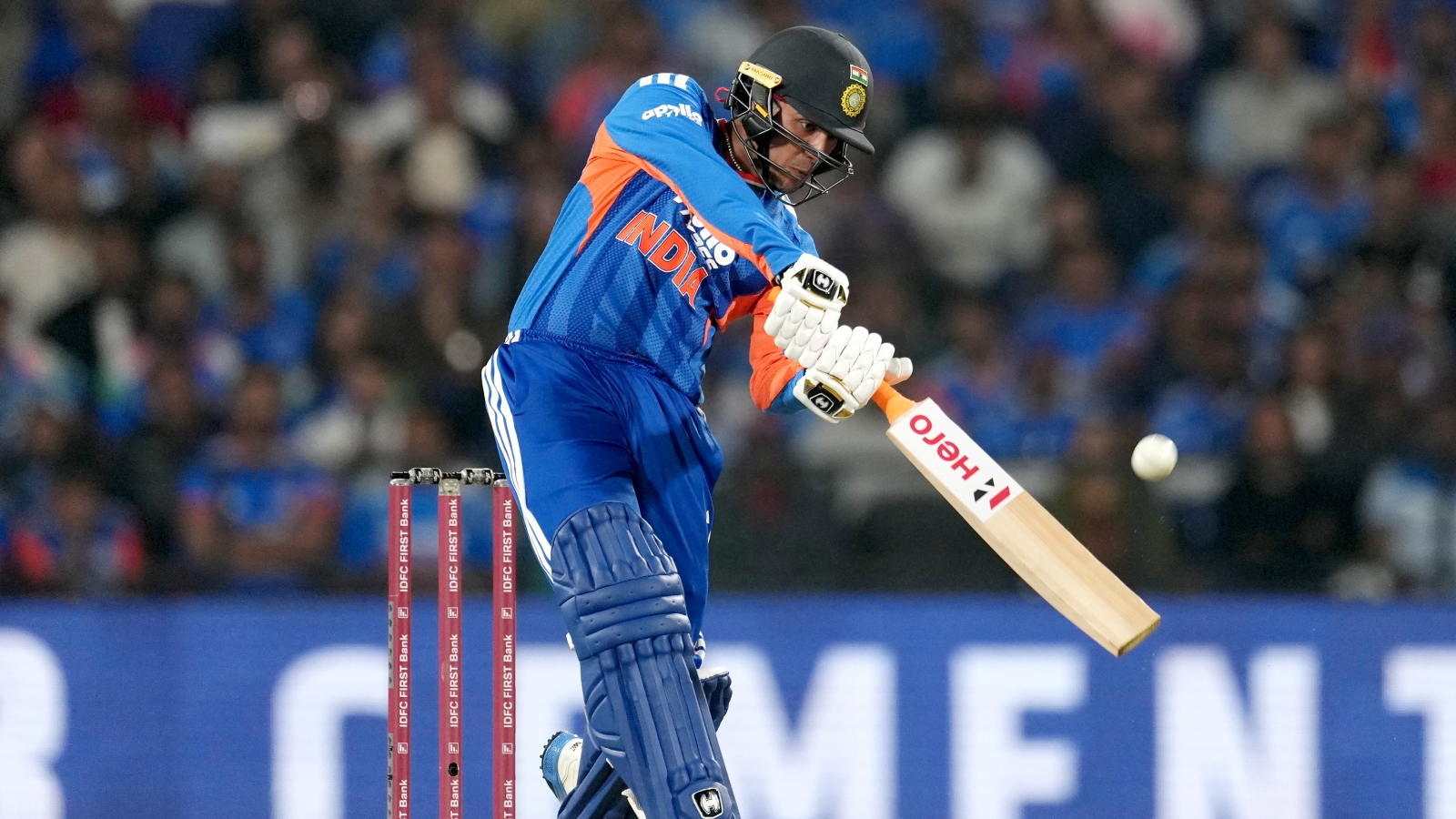 Abhishek Sharma in action during first India vs New Zealand T20I in Nagpur. (PHOTO: CREIMAS FOR BCCI)
The evolution of T20 batting – from timed intimidation to sustained efficiency – is best illustrated by comparing Chris Gayle and Abhishek Sharma. While both southpaws share a disdain for bowling attacks, the way they construct their innings reflects two different yet effective approaches to batting in the shortest format.
Anatomy of a mega knock
Chris Gayle’s 175 off 66 for RCB against PWI in 2013 vs Abhishek Sharma’s 141 off 55 balls for SRH vs PBKS in 2025
Chris Gayle’s world-record 175* for Royal Challengers Bengaluru against Pune Warriors India in IPL 2013 remains the gold standard of raw power. However, a breakdown of his scoring shows a “cyclical” pattern. Gayle took a moment to sight the ball (21 runs off his first 10 balls) before unleashing a historic 79-run burst between balls 11 and 30. He then intentionally stabilised, adding just 27 runs in the next 20 deliveries before a second wind of 48 runs in 15 balls carried him home.
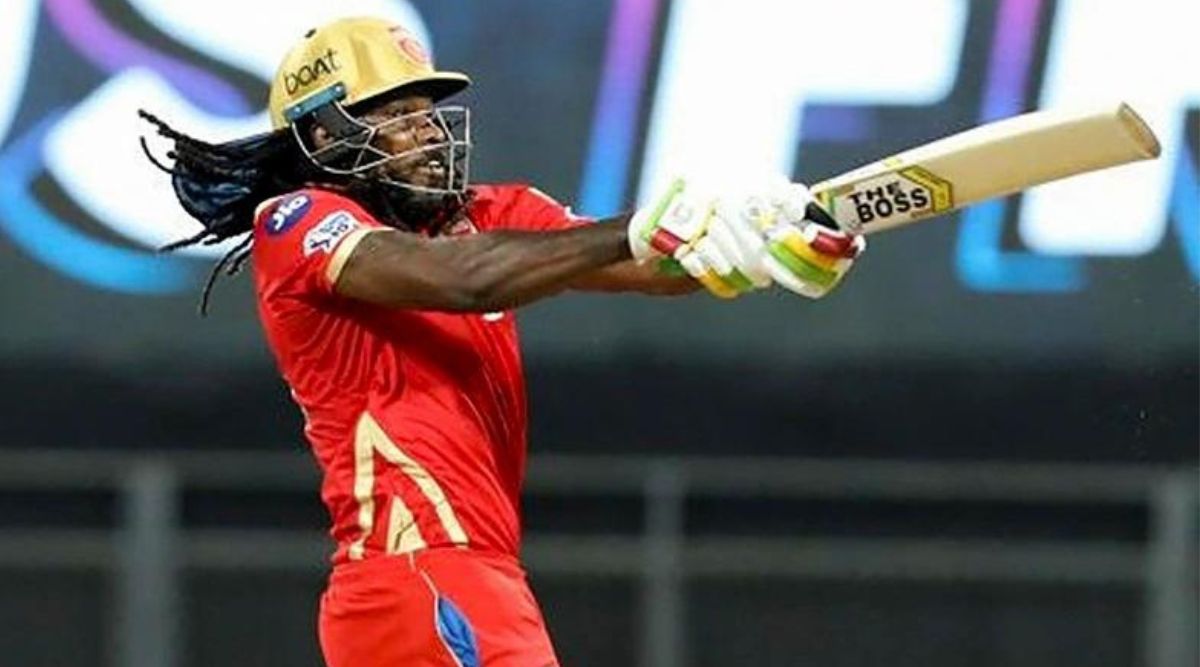 Gayle, who played for RCB from 2011 to 2017, was an instant hit with the fans of the franchise. He was first cricketer the team put in their Hall of Fame last year, along with South African cricket legend AB de Villiers. (FILE)
Progression:
21 off 10 balls
50 off 20 balls
100 off 30 balls
113 off 40 balls
127 off 50 balls
160 off 60 balls
175 off 66 balls
In contrast, Abhishek Sharma’s 141 off 55 balls for Sunrisers Hyderabad against Punjab Kings in Hyderabad in IPL 2025 follows a “linear” trajectory. After a similar start, Abhishek maintained a relentless intensity, plundering 64 runs during the middle phase (balls 31-50) where Gayle had slowed down. While Gayle relied on a “two-peak” explosion, Abhishek’s innings was a sustained high-speed chase.
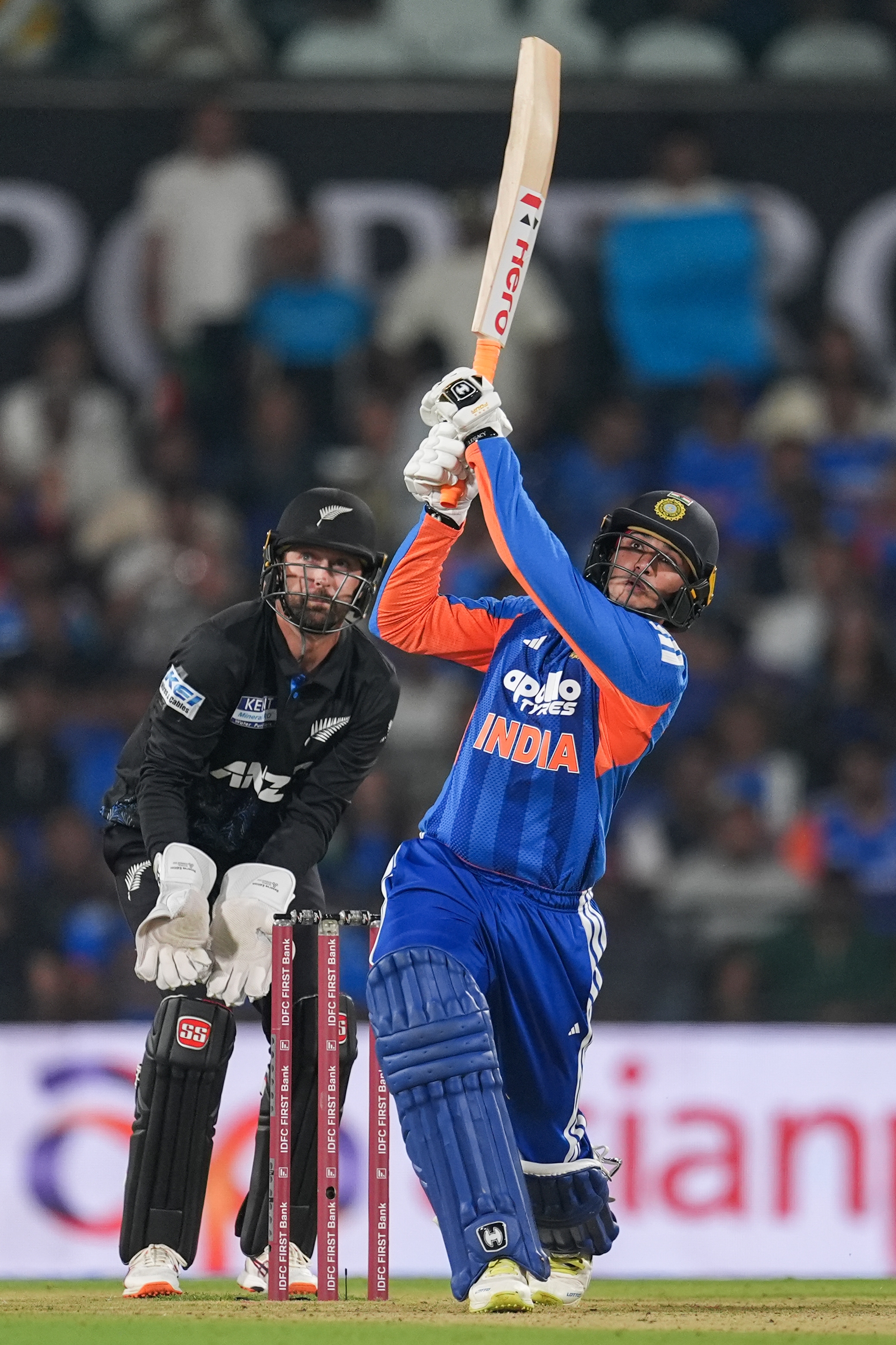 Indian opener Abhishek Sharma scored 84 off 35 and struck eight sixes against New Zealand in the first T20I. (PHOTO: CREIMAS FOR BCCI)
Progression:
Story continues below this ad
18 off 10 balls
53 off 20 balls
71 off 30 balls
100 off 40 balls
135 off 50 balls
141 off 55 balls
Summary: Gayle’s innings was defined by massive bursts followed by strategic “downtime” while Abhishek’s knock removed the mid-innings lull entirely. While Gayle slowed down post-century, Abhishek plundered 64 runs between balls 31 and 50.
Clinical pursuits: Tactical chasing
Chris Gayle’s 102 off 55 balls for RCB against KKR in IPL 2011 vs Abhishek Sharma’s 75 off 50 balls for SRH against CSK in IPL 2022
Gayle began with a cautious 10 runs off 10 balls, triggering his acceleration phase between balls 11 and 30 by adding 41 runs against the spin attack. He maintained a clinical tempo thereafter, calculating the chase to reach his century and the victory on the very last ball.
Story continues below this ad
Progression:
10 off 10 balls
27 off 20 balls
51 off 30 balls
63 off 40 balls
85 off 50 balls
102 off 55 balls
Following a deliberate start of 25 runs from 20 balls to stabilize the innings, Abhishek accelerated between balls 21 and 30 by taking 19 runs off the spinners. This tactical shift lowered the required rate, allowing him to anchor the remaining chase with high-intensity strike rotation.
Progression:
12 off 10 balls
25 off 20 balls
44 off 30 balls
56 off 40 balls
75 off 50 balls
Story continues below this ad
Summary: Gayle respected the “sighting period” (10 runs off 10 balls) and timed his acceleration (41 runs from balls 11-30) to stay abreast of the required rate. Abhishek started steadily; his tactical surge against the spinners (19 runs in 10 balls) was designed to break the back of the chase early. By the time he was dismissed, the required rate had plummeted, allowing the middle order to coast to victory.




 English (US) ·