

 1 hour ago
4
1 hour ago
4
ARTICLE AD BOX

India's Information & Broadcasting Ministry mandates subtitles and audio descriptions for censor certificates from March 15, aiming for inclusive cinema. While lauded, the move sparks industry debate on implementation costs and readiness. Directors welcome the inclusivity but raise practical questions about upgrades, theatre compliance, and costs for filmmakers, especially independents.
A new directive from the Information & Broadcasting Ministry is set to transform the way films are experienced in India. Effective March 15, all films must include accessibility features such as subtitles and audio descriptions to qualify for a censor certificate.
While the move is being widely appreciated as a step toward more inclusive cinema, it has also triggered discussions within the industry around implementation costs and the overall readiness of the ecosystem. Calcutta Times spoke to two Tollywood directors to get their reaction to the new directive.Cinema has always been a powerful medium of empathy and connection. Making films accessible through audio descriptions and closed captions will ensure that storytelling truly reaches everyone. This is an important and welcome step – Nandita Roy, director
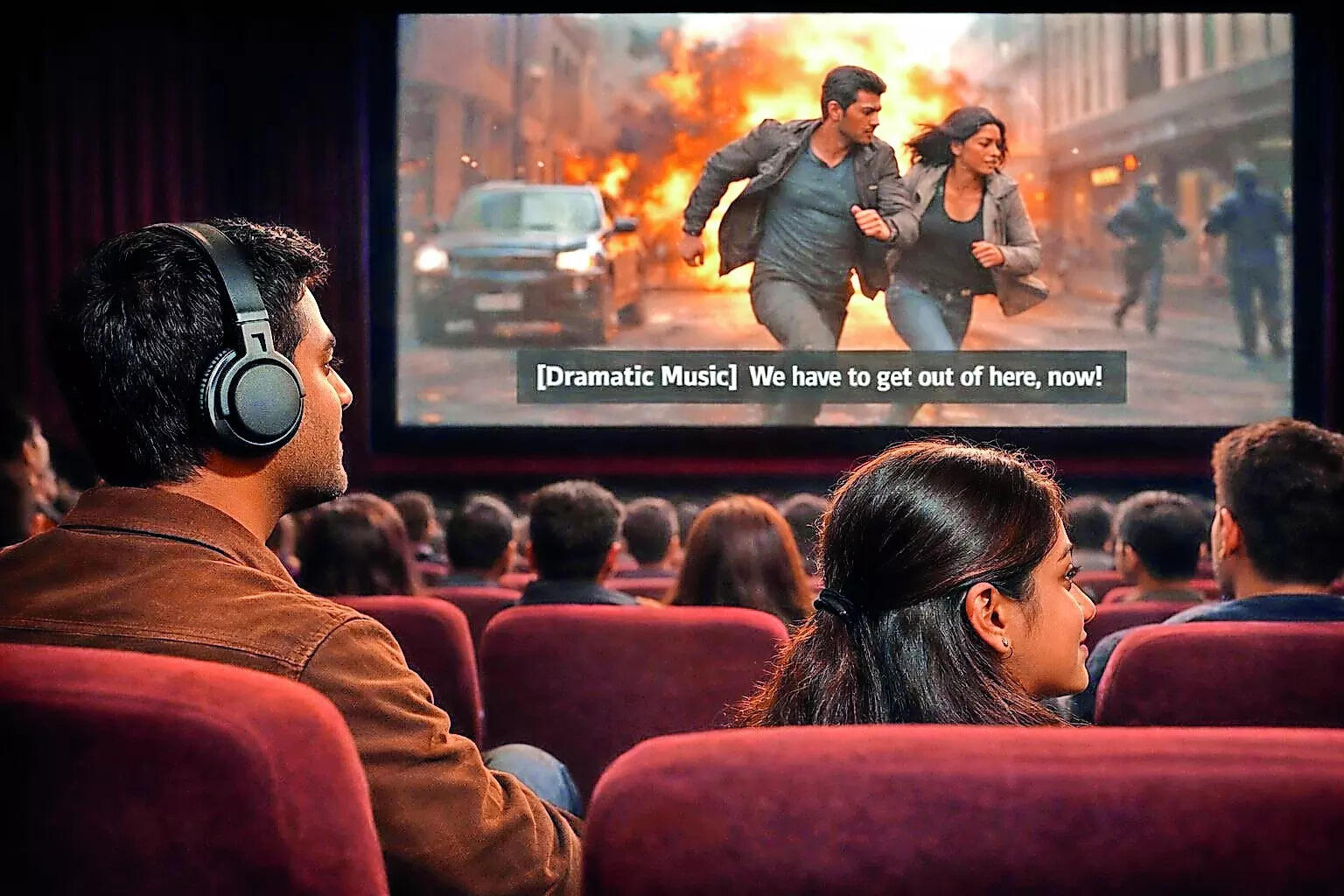
A STEP TOWARDS INCLUSIVE CINEMADirector Ranjan Ghosh, whose film Adamya already features closed captions for hearing-impaired viewers, sees the clause as an important addition.
“Since films are essentially an audio-visual medium, the visually impaired have always been deprived of the visuals. For them, to have an audio description is an essential step towards inclusivity. The idea therefore is indeed noble and I welcome it,” he says. He, however, cautions that the industry’s readiness will determine how effectively the rule is implemented.‘There are questions that need answers’According to Ranjan, a few questions need to be answered first: “How much time will it take to upgrade? Will it happen in phases? Willsingle-screen theatres able to comply? Do they have the necessary wherewithal? What are the costs involved for producers? What about independent filmmakers? What about films with sparse dialogues or silent films? Will the entire film then be like an audiobook? These questions need to be answered. The idea is great, and I’m keenly watching how its implementation unfolds.”





 English (US) ·