

 1 hour ago
6
1 hour ago
6
ARTICLE AD BOX

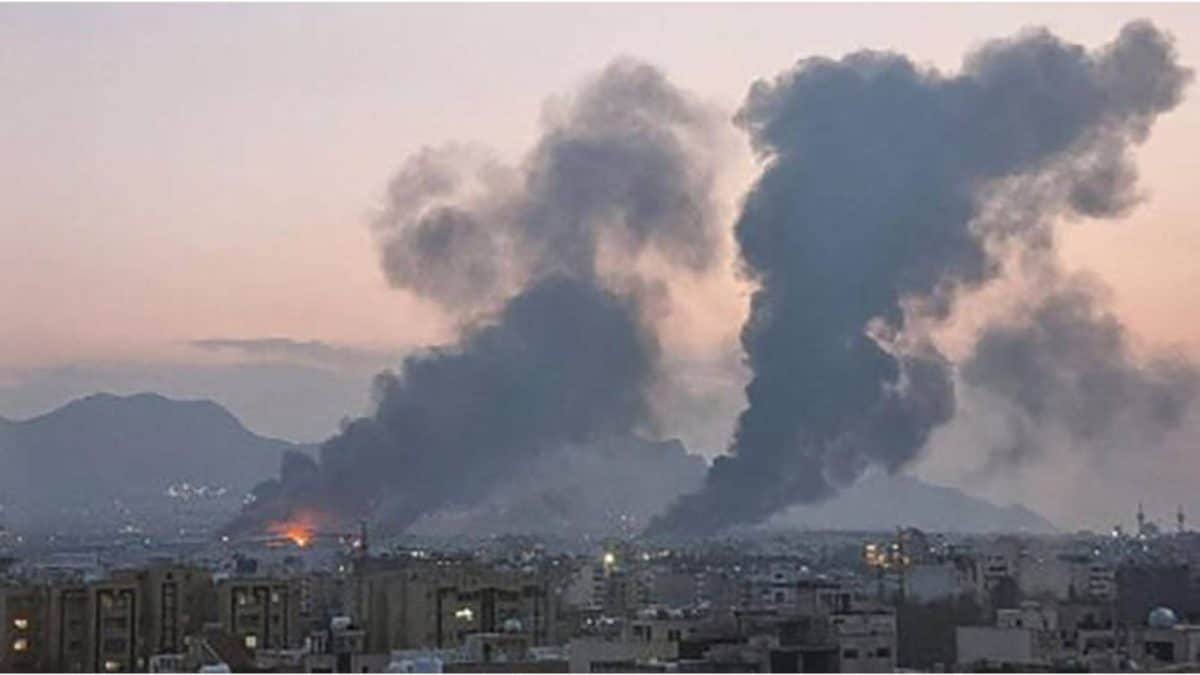
NEW DELHI: OECD and the Asian Development Bank (ADB) on Thursday cautioned against the adverse impact of energy prices and global growth due to the West Asia crisis. Paris-based OECD on Thursday retained its global growth projection for the current year and marginally lowered it for 2027.
When it came to India, it trimmed its 2026-27 growth projection by 10 basis points to 6.1%, amid the global uncertainties fuelled by the conflict.
"The decline in tariffs should support growth in India, though gas rationing will disrupt some production activities and fiscal support is expected to fade, with growth easing from 7.6% in FY26 to 6.1% in FY27 and 6.4% in FY28," it said.It, however, expects a bigger impact of higher energy prices on inflation, especially in G-20 countries, where it is projected to be 1.2 percentage points higher than the previously expected 4% in 2026.
US inflation is likely to soar to 4.2% it said. "In India, the fading deflationary impact of past food and energy price-reducing shocks will be exacerbated by the recent surge in the global energy prices," OECD noted.ADB too said Asian and Pacific economies are "highly vulnerable" to a prolonged conflict in the region due to spillovers transmitted through global energy markets, trade networks and financial conditions, even as they have limited direct trade exposure to Iran.
ADB added that depending on how long it persists, the conflict can lower GDP growth by 0.3 to 1.3 percentage points over 2026-2027 and raise inflation by 0.6 to 3.2 percentage points in developing Asia and the Pacific. It also warned that the crisis can impact remittance flows from the Gulf and weak currencies can make external financing conditions tougher for the more exposed economies.The Manila-based lender suggested targeted and time-bound fiscal support instead of broad-based energy subsidies and the monetary policy should focus on "targeted liquidity provision rather than aggressive tightening", while anchoring inflation expectations through effective communication.







 English (US) ·