

 1 day ago
6
1 day ago
6
ARTICLE AD BOX
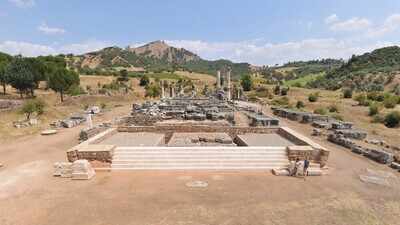
The ancient city of Sardis in western Turkey, a seven-decade excavation project, has achieved UNESCO World Heritage status. Image Credits: Archaeo. Exploration of Sardis/ President and Fellows of Harvard College
As we prepare our bags to go off for a summer holiday, or meander through the narrow, brightly-lit streets of an ancient European neighbourhood, we are not merely walking on plain road surfaces of asphalt or stone.
Instead, we are walking above layers of earlier urban life hidden beneath the surface. In many ancient settlements, a labyrinthine world, spanning many generations, is buried under the streets and modern coffee shops of today. Over centuries, residents built new structures on top of earlier remains, leaving layers of stone and foundations behind.This excavation in western Turkey has reached a major milestone with UNESCO World Heritage status.
The legendary ancient metropolis of Sardis has officially been inscribed on the UNESCO World Heritage list, marking a major milestone for a field project that has spanned seven decades. By earning this designation, the ruins and burial mounds receive added international recognition and protection.This monumental preservation triumph was recently highlighted in a release from Cornell University, titled Long, deep dig: Collaboration excavates ancient city Sardis. The report says the partnership has helped refine the timeline of ancient Anatolia.
The data suggest the site may have been occupied as early as 2400 B.C., earlier than historians had previously thought.Decoding the architectural blueprints of vanished empiresTo understand why this sprawling valley is so critical for modern historians, it helps to look at the sheer variety of cultural identities left behind in the soil. Sardis was the capital of the Lydian Empire, which is widely associated with some of the earliest minted metal coins.
Under rulers such as King Croesus, the Lydians constructed defensive walls and urban terracing systems.The archaeological details compiled by the UNESCO World Heritage Centre under the title Sardis and the Lydian Tumuli of Bin Tepe show that the city's unique urban footprint managed to survive long after the Lydian kingdom itself fell to foreign conquerors. Over time, the site served as a Persian satrapal capital, then a Greco-Roman centre, and later an administrative centre under the Byzantine and Ottoman empires.
Rather than replacing earlier structures, later residents built temples, gymnasiums and basilicas into the existing Lydian layout.Digging through these deep domestic layers has given researchers an unprecedented look at how ordinary human beings managed to adapt and rebuild after sudden, world-altering disruptions. In recent excavation trenches, the international field team uncovered clear physical evidence of catastrophic earthquake debris from antiquity, sitting directly adjacent to spaces where ancient survivors had systematically cleared away the heavy rubble and repurposed the broken marble floors.
This physical record offers evidence of how ancient communities recovered after disasters.
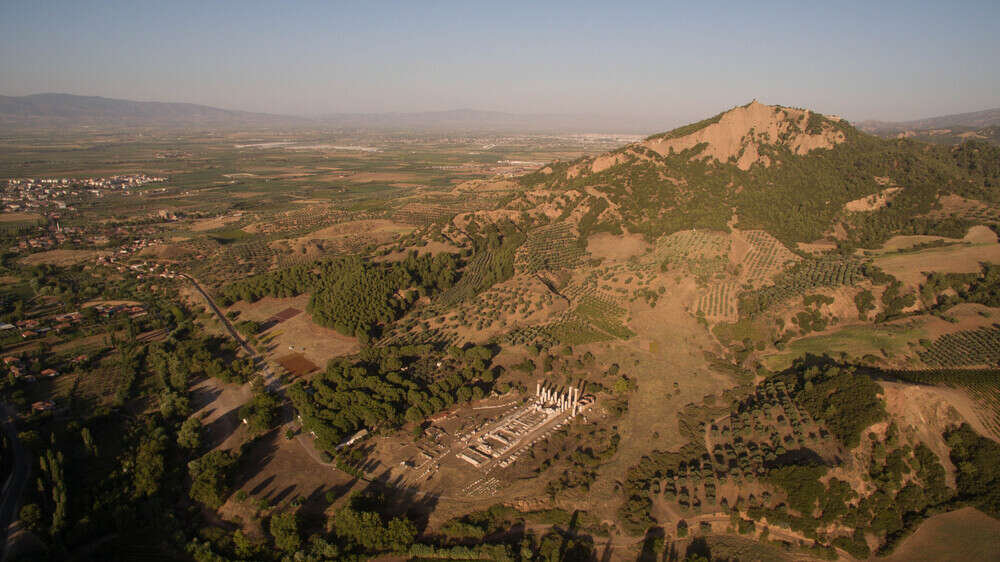
This recognition highlights the site's rich history, from its origins as the Lydian Empire's capital, credited with early coinage, to its roles under Persian, Greco-Roman, Byzantine, and Ottoman rule. Image Credits: Archaeo. Exploration of Sardis/ President and Fellows of Harvard College
A modern community safeguarding a shared global legacySecuring the listing required ongoing work with local communities around the ruins. For many years, the excavation team led by director Nicholas Cahill has worked with nearby residents. This collaboration has transformed archaeological preservation from a distant, academic exercise into a vibrant source of local pride and sustainable heritage tourism.The restoration of the Temple of Artemis is one example of this community-driven approach. Over time, a black layer of bacterial accretion coated the marble columns. According to the project team, the conservation work removed the buildup without damaging the carvings.Sardis shows how places can evolve as human identity changes over time. Official recognition can help support the preservation of the site for future generations. Visitors to the site will be able to walk on its ancient terraces and connect with the people who built and lived there thousands of years ago.









 English (US) ·