

 1 hour ago
5
1 hour ago
5
ARTICLE AD BOX
Last Updated:June 06, 2026, 08:23 IST
The government has invited global bids for fresh surveys across four key east coast basins as it looks to unlock untapped oil and natural gas reserves.


India is stepping up its hunt for new oil and gas reserves along the east coast. (Representative image)
With Oil India striking natural gas for the second time in months in the Andaman Sea, India is stepping up its hunt for new oil and gas reserves along the east coast.
The government is launching a major effort to reprocess decades-old seismic data and undertake fresh deep-water surveys across some of the country’s most prospective sedimentary basins, CNN-News18 has learnt.
The latest initiative covers the Mahanadi, Bengal-Purnea, Cauvery and Krishna-Godavari (KG) basins, where the government has now invited bids from global geophysical companies to reprocess legacy 2D and 3D marine seismic datasets using modern imaging technologies before carrying out new broadband 3D seismic surveys under the Multi-Client model. The programme is expected to run for 36 months.
The exercise is part of India’s broader strategy to reduce its dependence on imported crude oil and natural gas by unlocking untapped hydrocarbon resources hidden beneath the seabed. By applying advanced imaging techniques to old seismic data, the government hopes to generate sharper subsurface images, identify previously overlooked structures and narrow down prospective drilling targets before future licensing rounds.
Officials say the objective is to create integrated seismic volumes for each basin, improve geological models and identify new play fairways and hydrocarbon leads. Freshly acquired seismic data will also be incorporated into the interpretation process to continuously refine understanding of the subsurface.
The focus on the east coast is significant because several of these basins have either already yielded major discoveries or are believed to contain substantial undiscovered resources.
The Mahanadi Basin, classified as a Category-II basin with discovered hydrocarbons but limited commercial production so far, is viewed as one of India’s key frontier deep-water regions.
Located off Odisha’s coast, it is considered geologically analogous to the prolific Bengal Offshore Basin and hosts multiple hydrocarbon plays ranging from the Pliocene to the Cretaceous period. Deep-water reservoirs and thick sedimentary sections extending beyond 8 km in depth are seen as offering significant exploration potential.
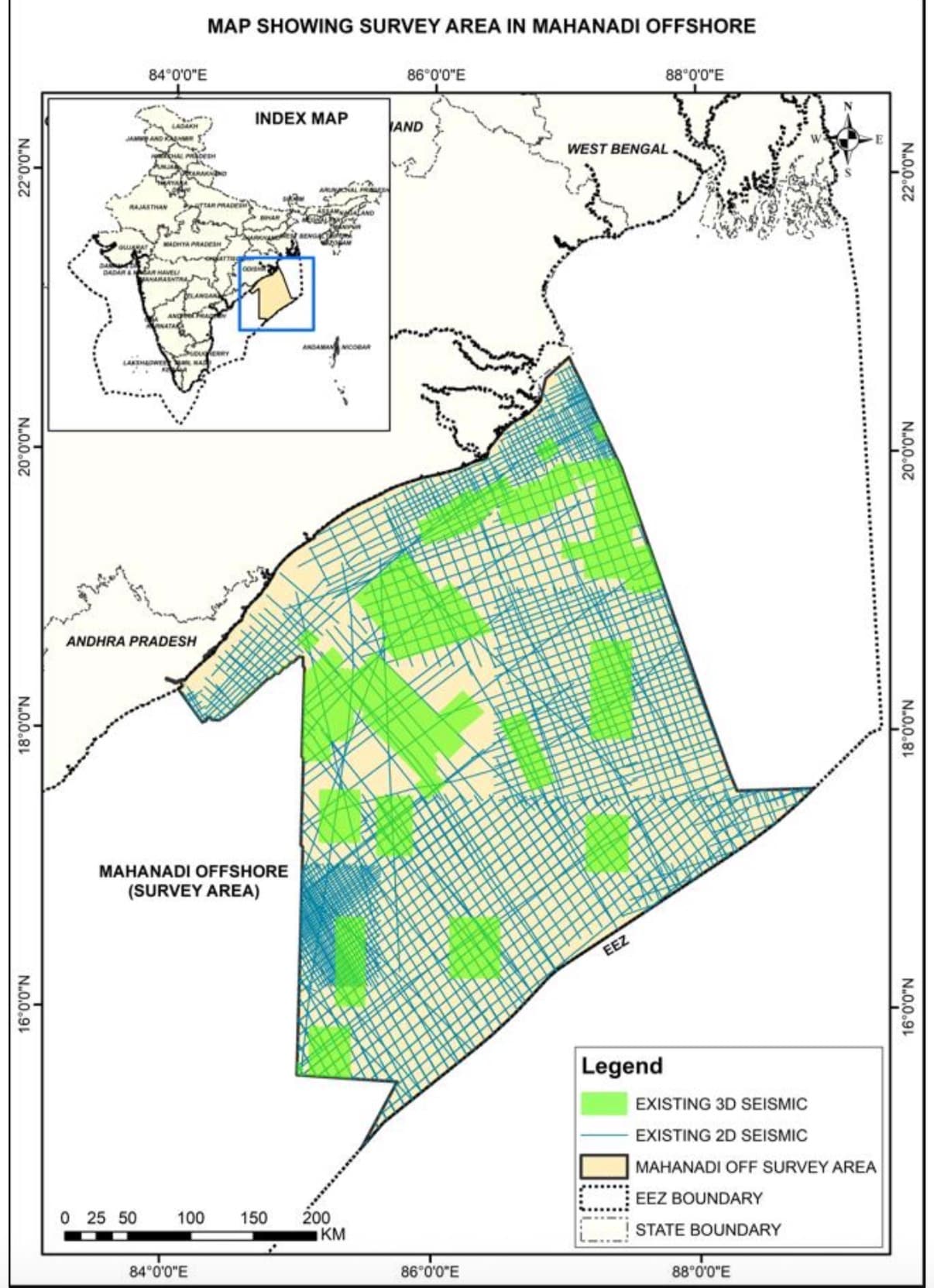
The Bengal-Purnea Basin, categorised as a largely unexplored Category-III basin, represents an even bigger frontier opportunity.
Offshore Bengal contains sedimentary sequences exceeding 10 km in thickness, deposited largely by the Ganga-Brahmaputra river system. Geological studies suggest that the basin could host significant Miocene-age hydrocarbon accumulations, while biogenic gas indications have already been reported.
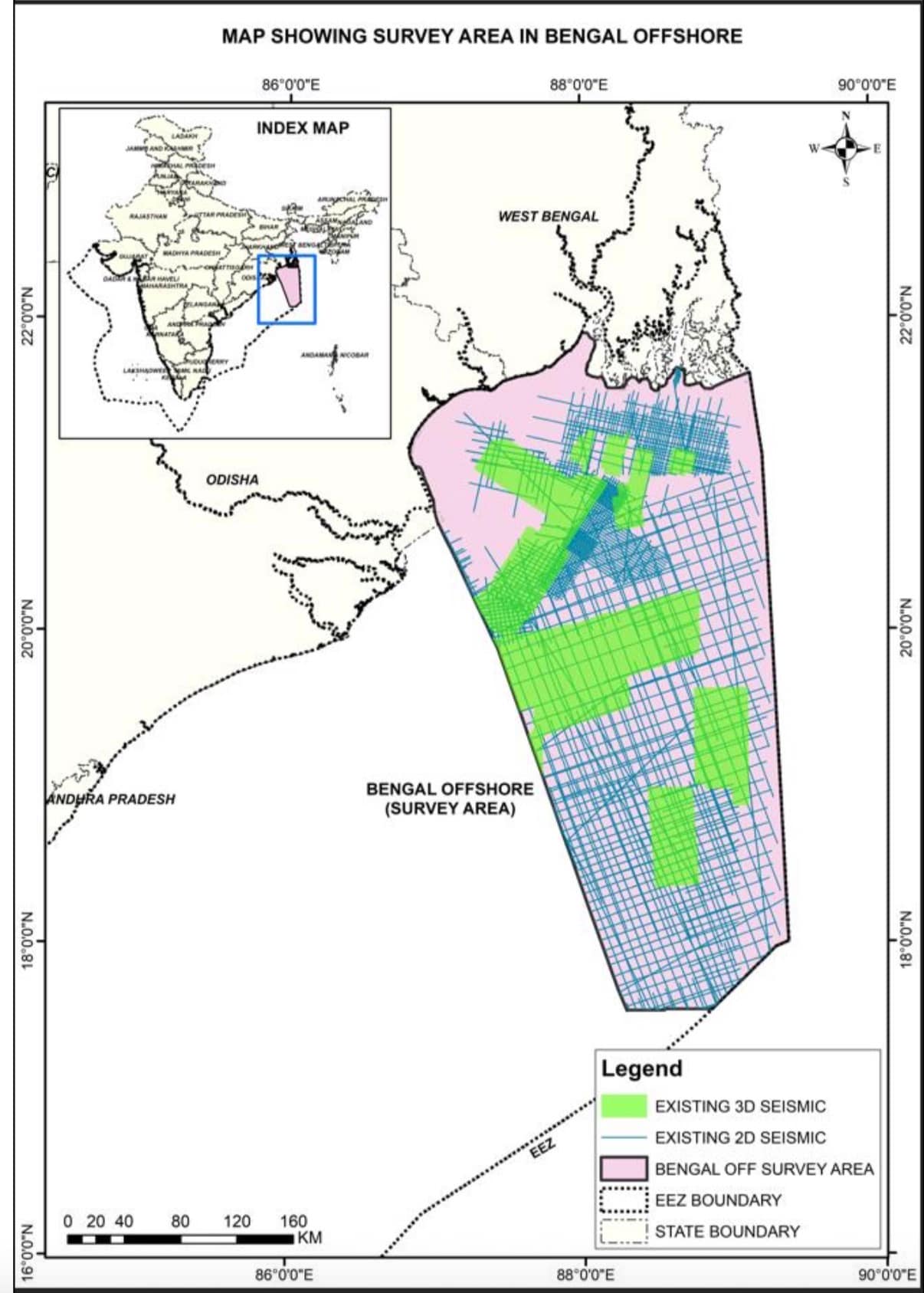
The Purnea sub-basin, meanwhile, is considered prospective for hydrocarbons trapped within Gondwana-age formations.
The Cauvery Basin, stretching offshore from Tamil Nadu into the Bay of Bengal and Gulf of Mannar, is already a proven petroleum-producing region. However, officials believe substantial resources may still remain undiscovered, particularly in deeper Jurassic syn-rift plays, fractured basement reservoirs and offshore carbonate systems.
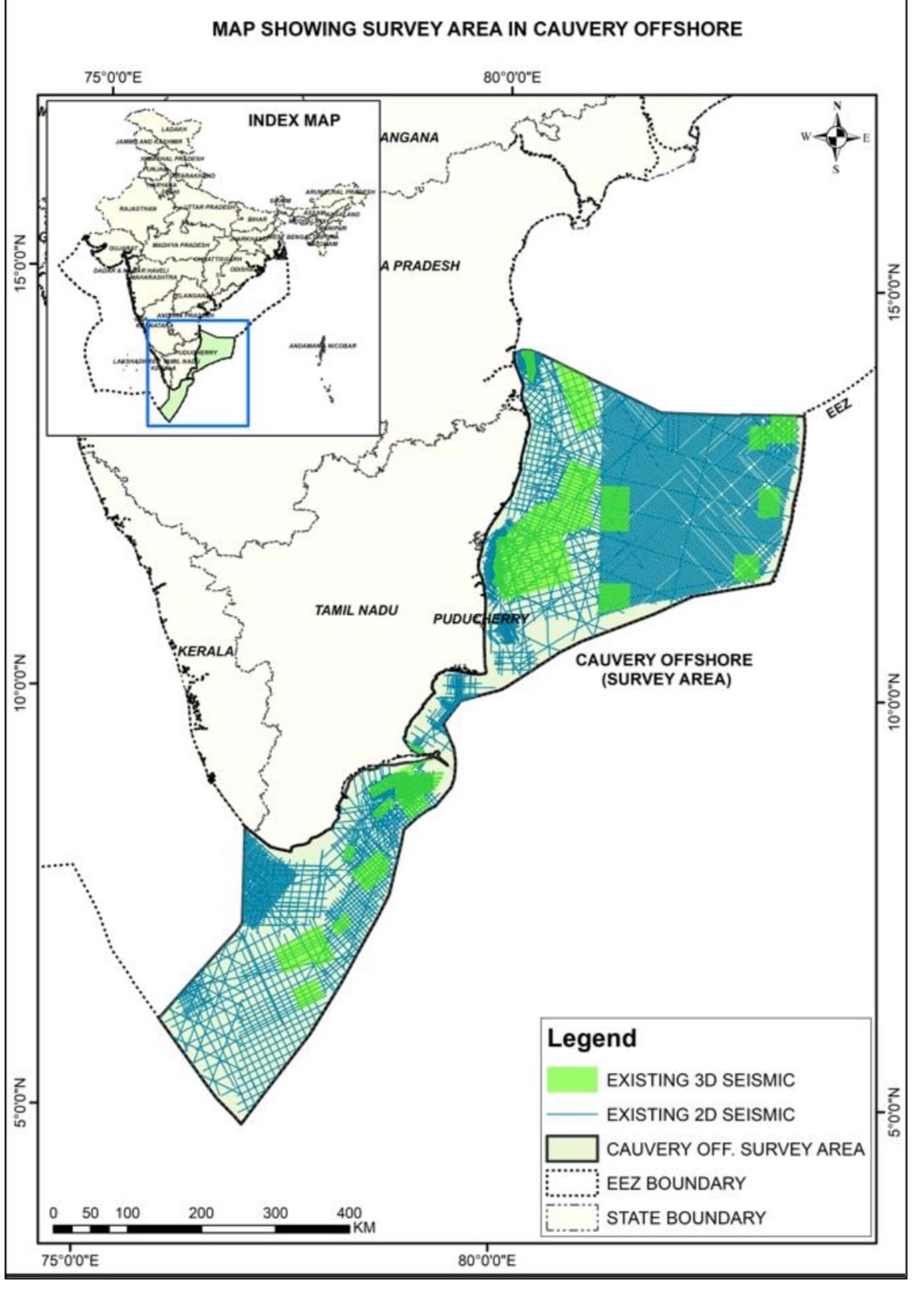
Sedimentary thicknesses in parts of the basin reach nearly 8 km, with the deepest targets lying between 7,000 and 8,000 metres below the surface.
The Krishna-Godavari Basin, India’s most prolific east coast gas province, remains central to the country’s energy ambitions. The basin hosts multiple producing gas fields and contains a complex petroleum system comprising deep-water turbidites, basin-floor fans, fault-controlled Mesozoic reservoirs and even gas hydrate occurrences.
While major discoveries have already been made, DGH believes advanced seismic imaging could help identify additional untapped prospects in deeper sections of the basin.
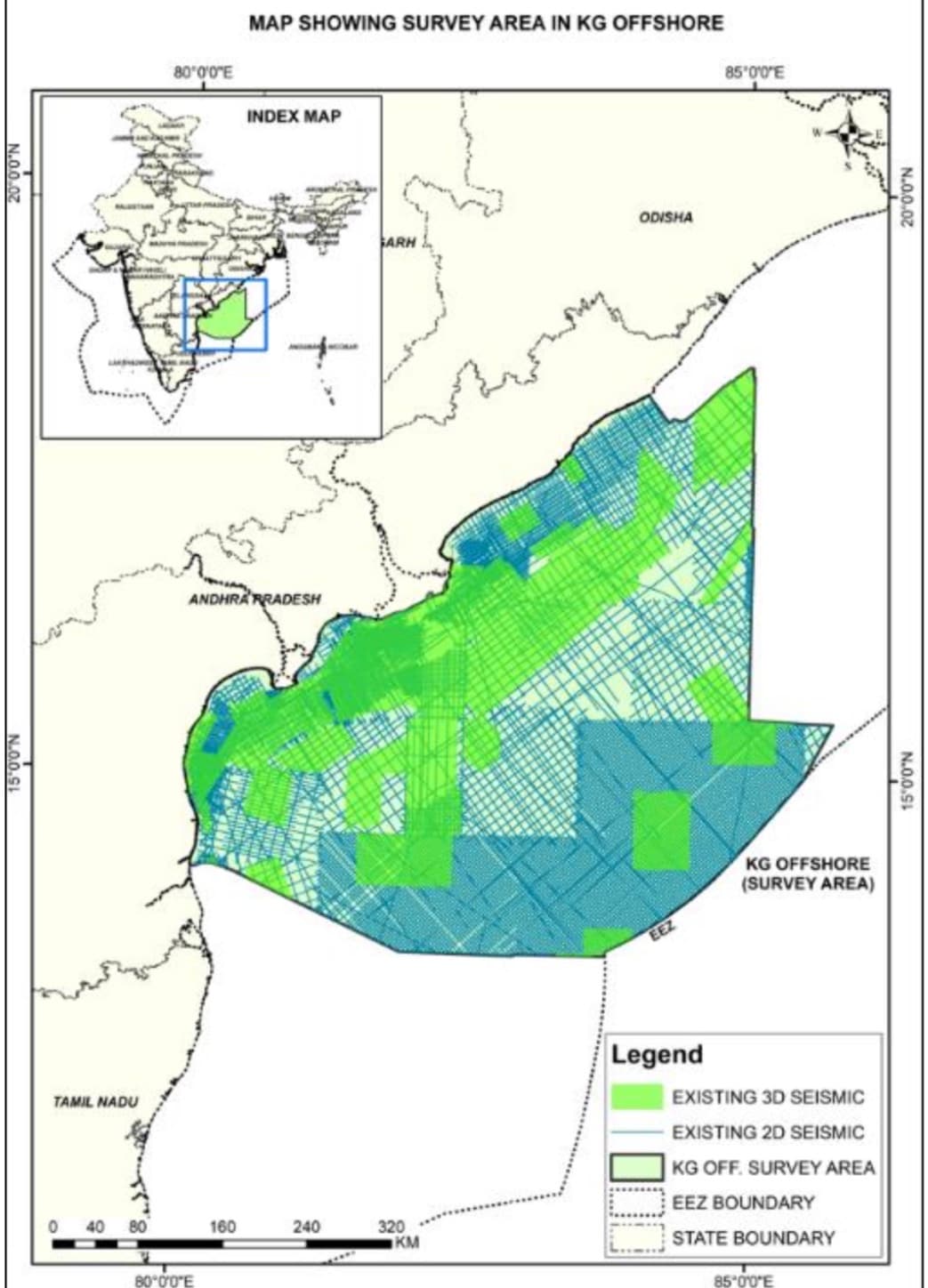
The use of the Multi-Client model is also aimed at accelerating exploration by allowing geophysical companies to invest in data acquisition and subsequently market the datasets to multiple energy firms, reducing the upfront burden on the government while making high-quality geological information available to potential investors.
Taken together, the surveys represent one of India’s most significant recent attempts to upgrade subsurface intelligence across its eastern offshore frontier. With energy demand continuing to rise and import dependence remaining high, New Delhi is betting that better seismic imaging today could translate into the next generation of domestic oil and gas discoveries tomorrow.
CNN-News18 had earlier reported that the Modi government is planning a major offshore oil-and-gas exploration survey covering thousands of kilometres along India’s east coast. This will be a major geological survey in the Bengal-Purnea and Mahanadi basins, the Krishna-Godavari Basin, the Cauvery Basin and the Andaman (East) Basin. The government wants specialised energy-survey companies to map what lies deep beneath the seabed to assess whether there are commercially viable oil or natural gas reserves.
Under that exercise, specialised survey vessels will tow long cable-like instruments, called streamers, behind them. These streamers send powerful sound waves into the seabed and record the echoes bouncing back from underground rock formations. Scientists then process this data to create detailed images of what lies several kilometres beneath the ocean floor.
The objective is straightforward — to identify structures where oil and gas may be trapped.
Handpicked stories, in your inbox
A newsletter with the best of our journalism
About the Author

Aman Sharma, Executive Editor - National Affairs at CNN-News18, and Bureau Chief at News18 in Delhi, has over two decades of experience in covering the wide spectrum of politics and the Prime Minister...Read More
News india After Andaman Breakthrough, India Launches Mega East Coast Energy Hunt | Exclusive
Disclaimer: Comments reflect users’ views, not News18’s. Please keep discussions respectful and constructive. Abusive, defamatory, or illegal comments will be removed. News18 may disable any comment at its discretion. By posting, you agree to our Terms of Use and Privacy Policy.
Read More





 English (US) ·