

 57 minutes ago
5
57 minutes ago
5
ARTICLE AD BOX
Last Updated:July 13, 2026, 09:31 IST
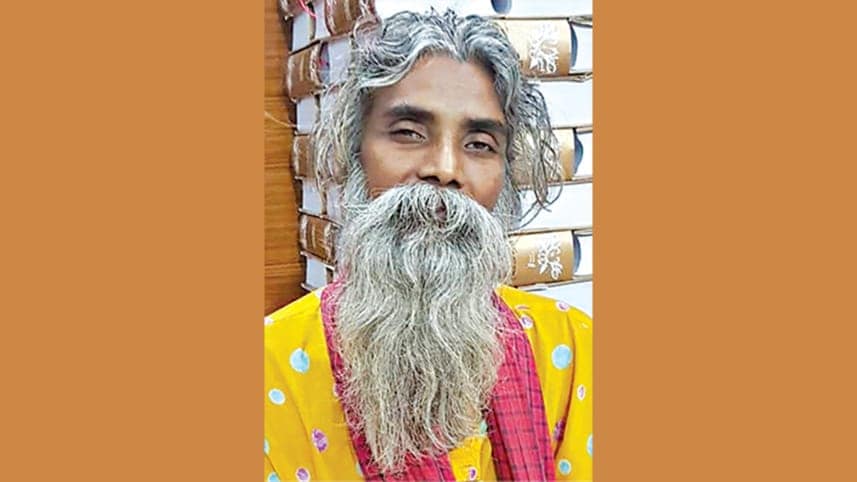
The most chilling incident took place in April in Kushtia, where Pir Abdur Rahman was killed inside his own mazar after a mob of nearly 300 people descended on the shrine.


File Photo of an establishment of the Buchai Paglar Mazar after being vandalised.
For decades, Bangladesh’s Islam carried a distinctly local flavour – shaped as much by Sufi saints, mazars and folk songs as by scripture and sermons. But that tradition is increasingly coming under pressure. After years of attacks on religious minorities, radical groups in Bangladesh now appear to be turning their attention towards sects and practices within Islam that they consider too liberal or un-Islamic. Sufi shrines, Urs festivals, devotional music and even folk traditions are emerging as new flashpoints in a country long seen as home to one of South Asia’s more syncretic versions of Islam.
According to a fact-finding report by Dhaka-based Islamic Sufi organisation Maqam: Centre for Sufi Heritage, which is in possession of News18, at least six mazars across Bangladesh were targeted between January 1 and June 30 this year.
The most chilling incident took place in April in Kushtia, where Pir Abdur Rahman was killed inside his own mazar after a mob of nearly 300 people descended on the shrine. The mob scaled the mazar, vandalised it and set it on fire. Just a month earlier, in March, around 100 people attacked devotees gathered for the Urs festival at Hazrat Ibrahim Shah’s Mazar in Sylhet. Their objection was not to politics or a land dispute, but to music being played during the celebrations. Three people were seriously injured in the attack and the adjoining mosque was also damaged, according to the fact-finding report.
The violence was not confined to Bangladesh’s districts. Even the capital saw tensions spill over. The report lists Dhaka’s Shah Ali Bagdadi Mazar in the Mirpur area among the sites that came under attack or intimidation during the first half of 2026. A video of the attack reviewed by News18 shows assailants repeatedly striking followers of Sufi Islam with green-coloured sticks. Local shopkeepers were not spared either.
Kushtia’s Hazrat Shah Dargah Sharif, Barishal’s Habib Shah Darbar Sharif and Chattagram’s Hazrat Lal Mia Shah Mazar also figured on the list.
To many in Bangladesh’s Sufi community, these are not isolated incidents. Sufism is a mystical tradition within Islam that emphasises spiritual devotion, a personal connection with God, and practices such as remembrance (zikr), music, poetry, and reverence for saints and shrines, or mazars. It has contributed to Bengal’s collective cultural identity for decades but is now increasingly being rejected by more puritanical strands of Islam.
This trend did not begin in 2026. During the interim government’s tenure under Muhammad Yunus, as many as 97 mazars were targeted in what the report describes as uncoordinated attacks. Three people were killed and as many as 468 were reportedly injured. One attack during Yunus’s tenure stood out. At Nural Pagla Mazar in Rajbari, attackers exhumed the body of the Pir only to burn it. The attack was followed by a pre-announced rally, yet no action was taken against those responsible.
“Exhuming a person, beating him with sticks and shoes and then burning the corpse on the street… This can’t be an act of a human being," Baul artist Asgor Ali told Netra News.
Baul music is among the traditional folk art forms that radical groups describe as “un-Islamic."
“We used to perform at least 15–20 shows a month. Now that is gone," laments artist Nupur Nadia.
But after Rahman took over, the trend has shown no signs of slowing. On the contrary, for the first time, there is a 32-page fact-finding report that formally analyses the circumstances, reviews videos and compiles evidence that, according to its authors, points to Bangladesh’s growing Talibanisation. The mob attack that killed Pir Abdur Rahman in Kushtia took place after the BNP swept to power. As recently as May, radical elements allegedly flexed their muscles in Dhaka, where they also stole Tk 96,000. This has led many to question whether radical groups feel increasingly emboldened under the current BNP regime.
The signs of growing intolerance have surfaced elsewhere too. During the football World Cup, Mufti Harun Izhar, a radical cleric linked to the Islamist organisation Hefazat-e-Islam, strongly argued that Bangladeshis should display flags bearing the Kalema instead of the national flags of Brazil and Argentina – the two most popular football teams in the country.
Handpicked stories, in your inbox
A newsletter with the best of our journalism
About the Author
Anindya Banerjee, Associate Editor brings over fifteen years of journalistic courage to the forefront. With a keen focus on politics and policy, Anindya has garnered a wealth of experience, with deep ...Read More
News world After Hindus, Bangladesh Radicals Targeting Sufis: Shrines, Urs And Music Under Attack | Exclusive
Disclaimer: Comments reflect users’ views, not News18’s. Please keep discussions respectful and constructive. Abusive, defamatory, or illegal comments will be removed. News18 may disable any comment at its discretion. By posting, you agree to our Terms of Use and Privacy Policy.
Read More







 English (US) ·