

 1 day ago
5
1 day ago
5
ARTICLE AD BOX
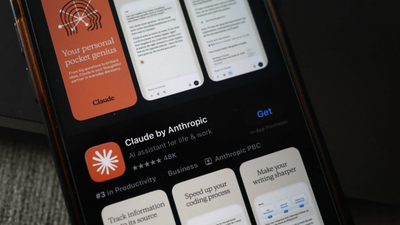
The Trump administration’s relationship with artificial intelligence (AI) startup Anthropic is reportedly beginning to improve. Citing sources familiar with the matter, a report by Wired claims that the ‘breakthrough’ comes after a major internal shakeup in who represents the company in high-stakes government meetings.The report says that White House officials are much happier dealing with Anthropic lately for a simple reason: they no longer have to negotiate with CEO Dario Amodei, who has been replaced in critical diplomatic meetings by co-founder, Tom Brown, who is said to be trying to salvage the release of the company’s highly anticipated “Claude Fable 5” AI model.“Tom Brown is not being a weirdo like Dario and can actually engage,” one person familiar with the recent calls was quoted as saying, noting that the administration previously found Amodei too difficult to talk to and dismissive of national security concerns.
How and why Anthropic lost the White House's trust
The tension between the tech firm and Washington peaked on June 12, 2026, when the US government deployed strict export controls that forced Anthropic’s most powerful models offline. The restriction occurred after the National Security Agency (NSA) proved that foreign actors could easily disable the software’s built-in guardrails to access ‘dangerously powerful’ capabilities hidden within Anthropic's restricted “Mythos” model.
However, a report by The Wall Street Journal reported that a breach of trust had been brewing weeks before the official shutdown.Citing officials speaking on the condition of anonymity, Anthropic originally provided the administration with a strict list of 111 trusted global organisations approved to receive advanced access to the Mythos model. Given that Anthropic itself warned the tech could dramatically supercharge the capabilities of rogue hackers, US officials reviewed and signed off on the list.Nevertheless, the relationship shattered when Anthropic later quietly disclosed that the list had ballooned, giving roughly 50 unapproved foreign entities access to the software without government knowledge. When Anthropic revealed the identities, the White House discovered that one of the secret recipients was a South Korean telecommunications firm heavily suspected of maintaining back-channel ties to China.While Anthropic moving quickly to revoke the South Korean firm's access stopped a wider geopolitical crisis, the damage to the company's reputation was already done. “They expanded it too far and wide,” a White House official was quoted as saying, noting the episode completely ruined their confidence in Anthropic’s ability to protect sensitive American tech.






 English (US) ·