

 1 hour ago
3
1 hour ago
3
ARTICLE AD BOX
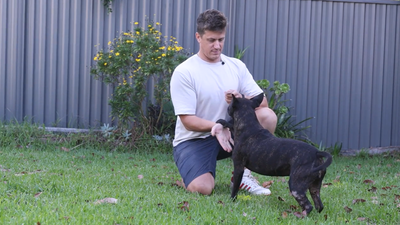
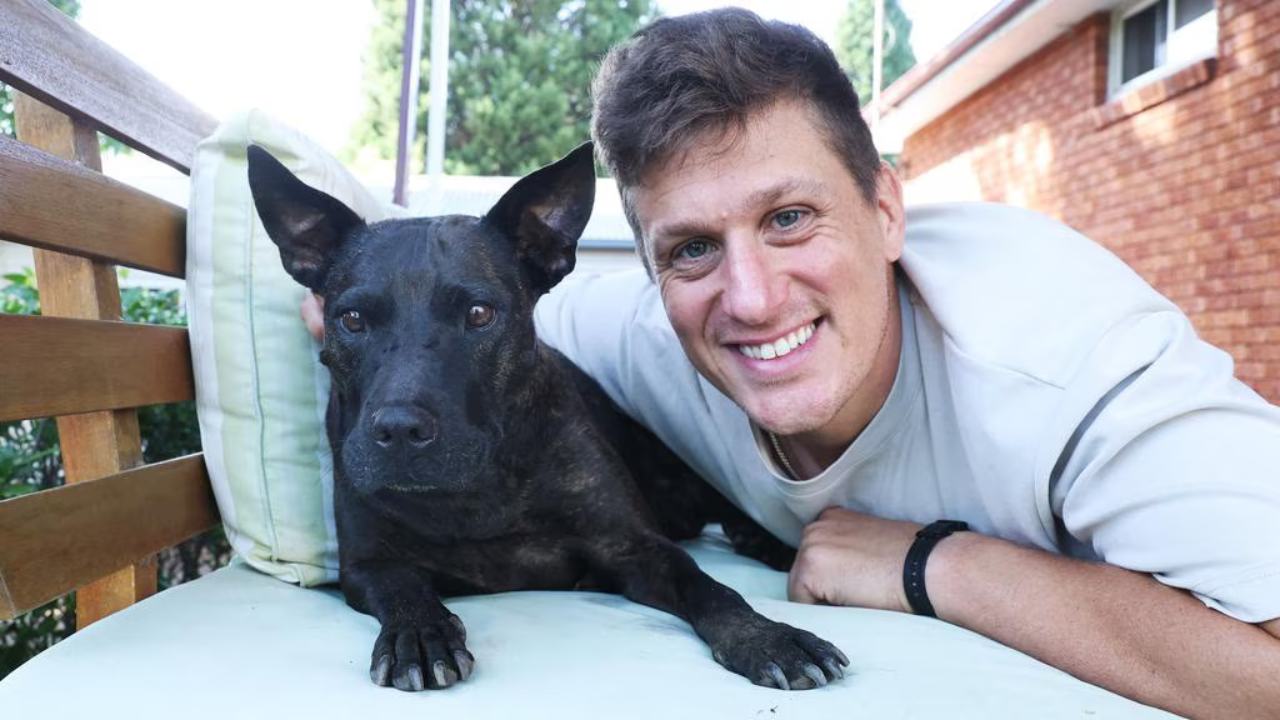
When Rosie, an eight-year-old rescue dog, was diagnosed with aggressive cancer, her owner feared the worst. Surgery and chemotherapy slowed the disease but could not stop the tumours from growing.
Determined to try everything, Sydney technology entrepreneur Paul Conyngham turned to an unusual ally: artificial intelligence. Using tools such as ChatGPT and genomic analysis, he worked with scientists to design a personalised experimental cancer vaccine for his dog. The effort brought together AI, modern genomics and veterinary science. What began as a desperate attempt to save a pet has now caught the attention of cancer researchers studying the future of personalised medicine.
How a tech executive used ChatGPT to fight his dog’s cancer
Rosie, a Staffordshire terrier–Shar Pei mix adopted from a shelter in 2019, was diagnosed with mast cell cancer in 2024. It is one of the most common and aggressive cancers in dogs. She underwent surgery and chemotherapy, which slowed the disease but did not eliminate it. Tumours continued to grow and the outlook remained grim. Refusing to give up, Conyngham began exploring whether modern genomic science and artificial intelligence could reveal another path.
With years of experience in data science and machine learning, he believed the tumour’s genetic code might hold clues that traditional treatment had missed.The first step was to analyse the cancer at the genetic level. Conyngham contacted researchers at the Ramaciotti Centre for Genomics at the University of New South Wales. Scientists sequenced DNA from Rosie’s healthy blood cells and from the tumour itself. By comparing the two genetic sets, researchers could identify mutations responsible for the cancer’s growth.
The sequencing process generated large amounts of genomic data.
Conyngham then analysed the information using bioinformatics tools and AI-assisted methods to understand how the tumour was evolving.
Using AI to decode the tumour
To interpret the complex genetic data, Conyngham used computational pipelines designed to detect cancer-driving mutations. He also relied on AlphaFold, developed by DeepMind, to study the structure of proteins produced by mutated genes.
This helped identify targets that the immune system could potentially attack. Associate professor Martin Smith, director of the Ramaciotti Centre for Genomics, later said he was impressed by the persistence behind the project.
“Paul was relentless,” Smith said. “He analysed the data and kept refining his ideas.”
Turning genetic data into a vaccine
When attempts to obtain an existing immunotherapy drug failed, researchers explored another possibility: creating a personalised mRNA cancer vaccine.
The vaccine was developed with help from Páll Thordarson at the UNSW RNA Institute. mRNA vaccines work by giving cells instructions to produce proteins linked to the tumour. These proteins alert the immune system and help it recognise cancer cells carrying those mutations.
The approach became widely known during the COVID-19 pandemic, when mRNA vaccines were used to protect millions of people. Scientists are now exploring how the same technology can be used to design personalised cancer treatments.
Ethical approval and veterinary oversight
Even with a vaccine design ready, the treatment required strict ethical approval and veterinary supervision. Experimental therapies cannot be administered without oversight. The vaccine was eventually delivered through a research programme run by Rachel Allavena at the University of Queensland. Her programme studies experimental immunotherapies in dogs and already had approval for similar treatments.
Rosie received her first injection in December 2025, followed by booster doses in early 2026.
Early results from the treatment
The results have been encouraging, though researchers stress that the therapy remains experimental. A large tumour on Rosie’s leg shrank significantly after the treatment. Her energy levels improved and she appeared more comfortable. Professor Allavena said the response suggested the immune system was reacting to the vaccine.
“The tumour has reduced considerably and Rosie looks much happier and healthier,” she said.
While the cancer has not completely disappeared, the treatment appears to have extended the dog’s quality of life.
A glimpse into the future of medicine
Scientists involved in the project say the case highlights the growing convergence of artificial intelligence, genomics and personalised medicine. According to David Thomas, the story also shows how individuals with strong technical skills can contribute to scientific research.
Researchers around the world are studying personalised mRNA vaccines for human cancers such as melanoma and pancreatic cancer.
Rosie’s treatment represents only a single experimental case, but it offers a glimpse of how cancer therapies could evolve in the future. For Conyngham, however, the motivation was never about technological breakthroughs. It was about giving his best friend more time.








 English (US) ·