

 6 days ago
6
6 days ago
6
ARTICLE AD BOX
4 min readNew DelhiUpdated: Jun 12, 2026 06:04 PM IST
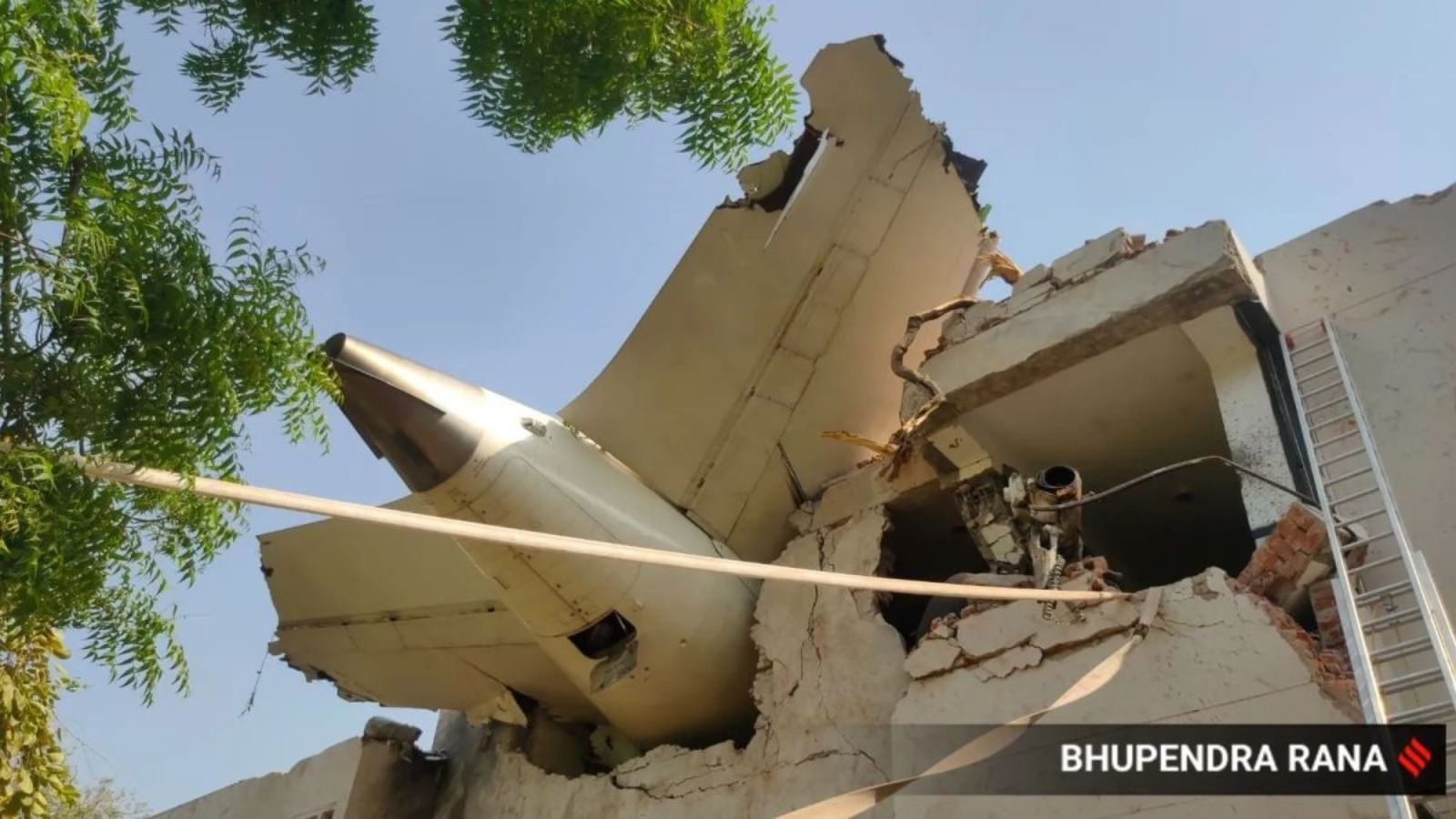 An Air India Boeing 787-8, operating flight AI 171 from Ahmedabad to London Gatwick, crashed shortly after take-off, claiming the lives of 241 of the 242 people on board and another 19 on the ground. (Express photo)
The investigation into the deadly crash of Air India flight AI 171 has not concluded yet and is continuing in accordance with Indian and global standards, Civil Aviation Minister Ram Mohan Naidu posted on social media platform X on the first anniversary of one of India’s worst aviation disasters. Naidu’s comment is being seen as a confirmation that the world will have to wait longer for the final investigation report on the Boeing 787-8 crash.
There were indications that the Aircraft Accident Investigation Bureau (AAIB) might not be able to furnish the full investigation report by the accident’s first anniversary, and the agency or the government could instead issue an interim report or even just a status update on the accident’s anniversary. According to officials in the know, the final report may be delayed by a few months as the detailed technical analysis of the ill-fated aircraft’s engines is yet to be completed.
“Today, as we mark one year since the tragic Air India Flight AI-171 accident, we remember with profound sorrow those who lost their lives and extend our heartfelt condolences to their families and loved ones. The investigation continues with diligence and professionalism in accordance with established national and international procedures. We remain committed to a thorough and objective determination of the causes of the accident and to further enhancing aviation safety,” Naidu posted on X.
International guidelines prescribe that final reports in air crash probes should be released within a year of the accident, if possible. If the final report is not ready for release within a year, the “State conducting the investigation shall make an interim statement publicly available on each anniversary of the occurrence, detailing the progress of the investigation and any safety issues raised,” says the International Civil Aviation Organisation (ICAO) Annex 13, which lists international standards and recommended practices for aircraft accident investigations.
It is not clear yet whether the AAIB, which is investigating the crash, or the government will separately issue an interim statement.
An Air India Boeing 787-8, operating flight AI 171 from Ahmedabad to London Gatwick, crashed shortly after take-off, claiming the lives of 241 of the 242 people on board and another 19 on the ground. It was the worst aviation disaster involving an Indian airliner in four decades.
The two primary theories about the likely causes of the Boeing 787-8 crash include pilot action—first widely reported in Western media—and a catastrophic electrical or systems failure, which has found support among India’s pilot community, a section of aviation safety experts, and even a few Boeing whistleblowers. The trigger for the crash, as identified in the AAIB’s preliminary report released after a month of the accident, was the transitioning of both the engine fuel control switches from RUN to CUTOFF position almost immediately after liftoff from the Ahmedabad airport runway.
Story continues below this ad
How did the switches—which control the flow of jet fuel to the engines—transition and whether this was done by a pilot, or happened due to a major electrical or systems issue, are the critical questions that are on the minds of the victims’ kin, the global aviation community and stakeholders, and the travelling public at large.
Complex air crash probes require detailed analysis of flight data, cockpit recordings, maintenance records, crew training histories, aircraft systems, manufacturing documentation, and simulator testing. Investigators also have to coordinate with various international stakeholders, including plane makers, engine manufacturers, and also foreign investigation agencies. In the case of AI 171, the AAIB has received technical support from foreign agencies, primarily the US National Transportation Safety Board (NTSB) as the plane and its engines were manufactured in the US.







 English (US) ·