

 1 day ago
4
1 day ago
4
ARTICLE AD BOX
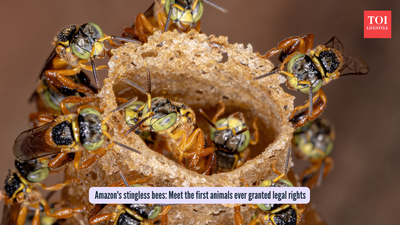
In a groundbreaking move, stingless bees in Peru's Amazon rainforest have been granted legal rights, becoming the world's first insects with such protections. This initiative, driven by local communities and scientists, aims to safeguard these vital pollinators from deforestation and pesticides, ensuring their continued role in the ecosystem and cultural practices.
Can animals and insects have legal rights?Sounds like a scene out of Pixar’s Zooptopia, but this is indeed a reality now in the Amazon’s rainforests where tiny bees now have legal rights!Nature's tiny heroes just scored a victory in the Amazon rainforest, as the stingless bees in Peru have become the world's first insects with legal rights to shield these vital pollinators from deforestation and pesticides.
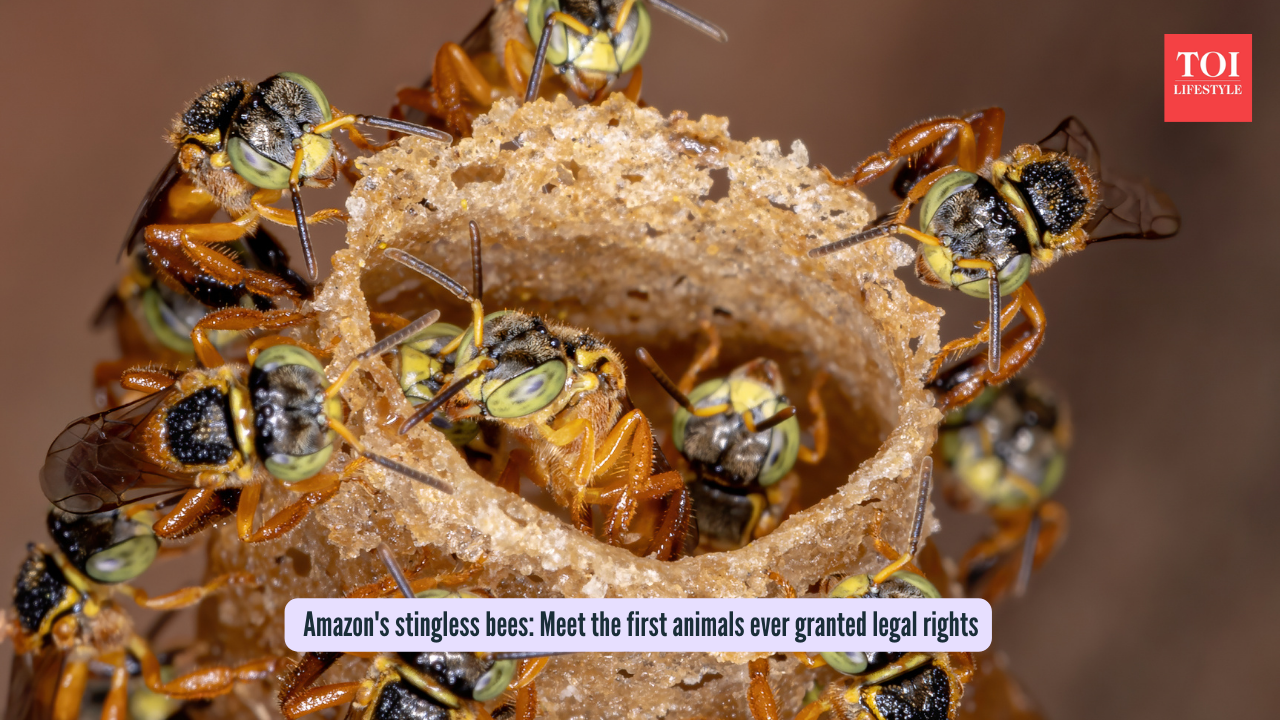
Amazon's stingless bees Meet the first animals ever granted legal rights (Photo via Canva)
Meet Amazon’s new legal residents
Stingless bees in Peru's Amazon, particularly in Satipo and Nauta municipalities, now enjoy legal status as rights-bearing subjects. Inside the Avireri-Vraem Biosphere Reserve, Satipo’s ordinance provides enforceable safeguards, following national updates, according to an Earth.com report.Working with Asháninka communities, chemical biologist Rosa Vásquez Espinoza at Amazon Research International transformed field data into legislation.
"This ordinance marks a turning point in our relationship with nature: it makes stingless bees visible, recognises them as rights-bearing subjects," said Constanza Prieto of Earth Law Center, according to the same report.
Stingless bees have a vital role in rainforest life
These native bees, lacking true stings, have pollinated the Amazon for ages, half of the world's 500 species thrive there. In Peru, 175+ types support over 80% of rainforest plants, like cacao and coffee.
Their decline negatively impacts seed production and crops severely.For Asháninka and Kukama-Kukamiria, meliponiculture means sustainable honey harvesting for food and medicine, treating 14 illnesses from 17 species, per surveys. This cultural tie led to the legal push.
Their population faces deforestation safeguard risks
Over half their habitats face deforestation risks, losing hollow trees essential for nests. Illegal logging and pesticides directly threaten colonies.
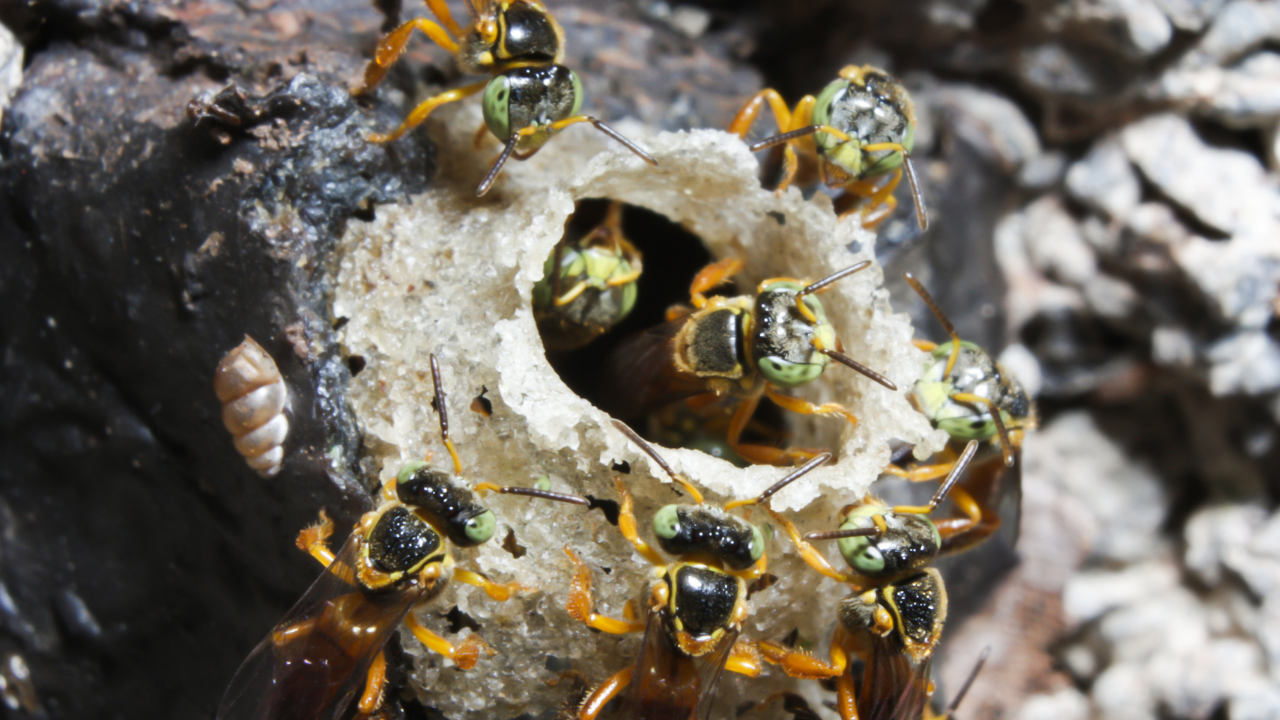
Stingless bees (Representative Image)
Now, Satipo’s ordinance grants "inherent” rights to exist, sustain populations, and survive in pollution-free habitats with stable climates. It allows legal standing for defenders when activities harm colonies or foraging areas. This precautionary approach demands reforestation and hive relocation over destruction.
Community power and next steps
By the time of the ordinance, 650+ locals—60% women and 10% youth—had joined, creating 11 sanctuaries for 22 million bees across 74 acres. Peru's 2025 Law No. 32235 first recognized them nationally. But limitations still remain, as protections are local while threats cross borders.









 English (US) ·