

 1 hour ago
4
1 hour ago
4
ARTICLE AD BOX
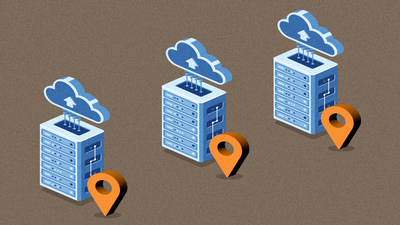
America's top energy regulator -- Federal Energy Regulatory Commission (FERC) -- has ordered the country’s electric grid operators to reconsider rules for connecting very large energy users such as data centers, as demand from server warehouses strains power grids.
Data centers are pushing US electricity use to record highs and requiring more electricity in large swaths of the country than grids can supply, sending regulators scrambling to manage the demand.The Federal Energy Regulatory Commission (FERC) draft “show cause” orders direct the six regional grids under its jurisdiction, which excludes Texas, to justify or overhaul their process for powering very large energy users.
FERC’s order follows a directive by U.S. Energy Secretary Chris Wright last year to help expedite the connection of data centers as part of the country’s objective of winning a global AI race.Grid operators and transmission owners have 60 days to respond to FERC and explain why their current rules are justified or whether they will make changes in five main categories. Those categories include having clear processes for connecting very large energy users, such as data centers, and allocating costs to the large energy customers for the infrastructure needed to serve them.
What Federal Energy Regulatory Commission order says
FERC has issued tailored show cause orders under section 206 of the Federal Power Act to each of the six regional grid operators under its jurisdiction, directing them to justify or reform the rules that govern how data centers, manufacturing facilities, and other large energy users connect to the electric grid.The orders mark one of the most significant actions the Commission has taken to modernize the nation's electric markets and push the economy into the future by speeding integration of large energy users onto the grid with additional rigorous consumer safeguards.
By requiring Regional Transmission Organizations (RTOs)/Independent System Operators (ISOs) and their transmission operators to either defend or revise their tariffs, FERC is moving to ensure that Americans have reliable, affordable power—even as electricity demand and technology accelerates.Today's orders advance the Secretary of Energy's Advance Notice of Proposed Rulemaking directives, delivering the speed to power that is critical to supporting the innovation economy, leading the global race on artificial intelligence, and reshoring manufacturing jobs back to the United States.FERC's action focuses on the unique operational profiles of large energy users, including those co-located with their own generation, and on the distinct challenges each regional grid operator faces in meeting soaring demand from the proliferation of large loads. Because the six grid operators are unique in their individual advancement toward large load innovation and structure, market design, stakeholder composition and geography, the Commission's orders recognize that a one-size-fits-all solution is not the current most efficient solution for integrating large, energy-intensive loads onto the nation's electric grid.
Five Categories of Reform
Under the orders, each RTO/ISO, and its transmission owners have 60 days to either justify why their current tariffs remain just and reasonable without provisions tailored to large loads, or to file tariff changes that address the issues the Commission identified. Each tailored order tees up five categories of reform for the grid operators to address:* Developing efficient transmission service application and study processes, including consideration of alternative transmission technologies* Preventing cost shifting and requiring transparency into transmission costs* Accommodating co-location agreements and behind-the-meter generation* Providing new transmission services for flexible large loads* Developing a process to study generating facilities that serve electrically proximate large loads and co-located loads* Additionally, within 30 days, each grid operator and its transmission owners must submit a detailed informational report describing how the grid operator intends to ensure that adequate generation will be available to serve existing and new large loads.
Six Grid operators
The RTOs and ISOs include PJM, Interconnection, LLC (PJM); Midcontinent Independent System Operator, Inc. (MISO); Southwest Power Pool, Inc. (SPP); California Independent System Operator Corporation (CAISO); ISO New England Inc. (ISO-NE); and New York Independent System Operator, Inc. (NYISO).








 English (US) ·