

 1 day ago
5
1 day ago
5
ARTICLE AD BOX
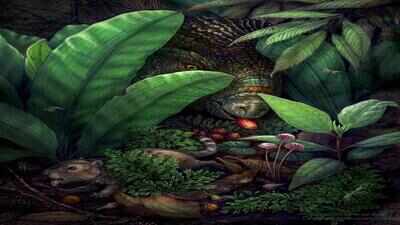
Prehistoric fruit fossils unearthed in New Mexico reveal flowering plants were using dinosaurs and other animals for seed dispersal over 74 million years ago. Image Credit: Illustration by Brian Engh
Whether strolling through our local farmer’s market packed full of people or buying some fresh berries at the grocery store, there is a wonderful ancient relationship at play between animals and plants.
Those succulent, flesh-covered fruits are the product of an evolutionary relationship between plants and animals. For millennia, the flowering plants managed to evolve and develop such seed enclosures that were both edible and appealing for animals, who then dispersed the seeds elsewhere along with nutrient-rich waste. Scientists used to believe that this survival strategy evolved only after the dinosaurs died out.For generations, mainstream science taught that early flowering plants during the age of the dinosaurs were small, inconspicuous weeds that grew in open spaces. They produced tiny seeds that relied entirely on the wind or accidental water currents to travel. The prevailing theory is that after an asteroid wiped out the dinosaurs 66 million years ago, rodents, bats and early primates diversified. It was believed that this sudden rise of furry, fruit-eating animals finally prompted plants to invest heavily in large, nutrient-rich fruits to secure their own evolutionary future.
But a spectacular new fossil discovery nestled in the desert landscapes of south-central New Mexico suggests that fruit-bearing plants and seed dispersal were already established before mammals diversified. An investigation published in the journal Science has completely rewritten our understanding of prehistoric forests. The research paper indicates that fruit-bearing plants and seed dispersal were present more than 74 million years agoA botanical snapshot from a prehistoric paradiseResearchers uncovered the fossils after more than two decades of excavation.
This geological deposit preserved an unusually detailed snapshot of a prehistoric ecosystem. Unlike traditional fossil sites where plant remains are violently washed down rivers and mixed up across different eras, this volcanic ash blanketed a living, standing forest in real time. The resulting discovery has given paleobotanists a rare look at a mature, stable ecosystem that existed ten million years before the great extinction event.Led by a dedicated team of evolutionary biologists and paleoecologists, including principal investigator Jaemin Lee from the University of California, Berkeley, the scientific team analysed a treasure trove of four hundred and fifty beautifully preserved fruit and seed fossils. The researchers identified nearly eighty distinct shapes and sizes among the specimens. Rather than finding only the tiny, dust-like seeds predicted by older evolutionary models, the investigators discovered a stunning variety of complex reproductive structures, with the largest specimens reaching up to an inch in length.More than a third of the collected fossils were identified as fleshy, berry-like structures that would have looked remarkably similar to modern blueberries or small dates. The size and structure of these prehistoric fruits suggest they were not meant to be carried by the wind. Instead, they were custom-designed to attract the attention of hungry vertebrates. The presence of these fruits suggests that flowering plants were already investing heavily in reproduction while dinosaurs still ruled the planet.
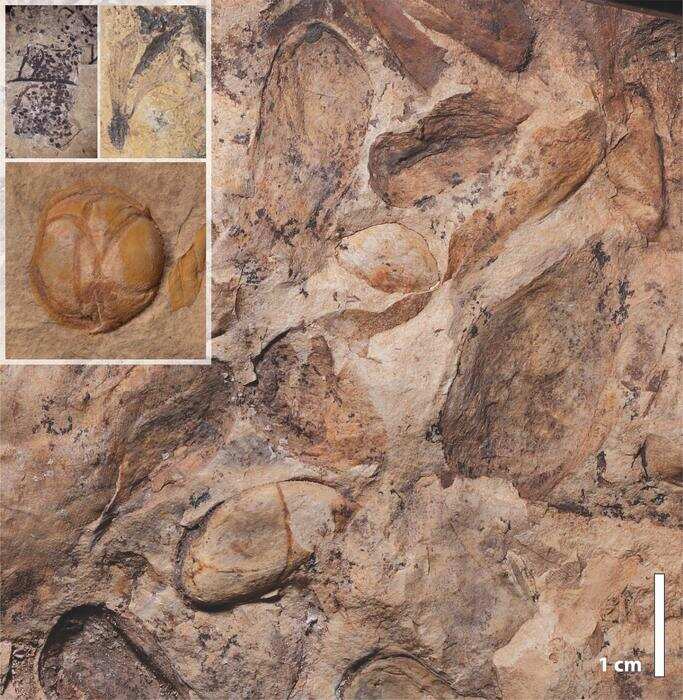
This challenges the long-held belief that this strategy only emerged after the dinosaurs' extinction. The discovery of fleshy, berry-like fruits suggests a mature symbiotic relationship existed, allowing plants to spread and diversify long before mammals dominated the planet. Image Credits: Cindy Looy and Jaemin Lee/UC Berkeley
Sharing a prehistoric meal across the species divideThe discovery adds new detail to how scientists understand the diets of long-extinct creatures. While we routinely imagine terrifying tyrannosaurs hunting for meat or massive triceratops chewing on tough ferns, the fossil record now invites us to imagine a much gentler, colourful lifestyle scene. It suggests that some Cretaceous animals may have foraged on fleshy fruits in dense, humid canopies.By consuming these fruits, prehistoric animals may have helped maintain forest ecosystems. As they travelled across their territories, they transported the hardy seeds inside their digestive tracts, slowly distributing them far away from the parent trees. This mutual relationship may have helped flowering plants spread and diversify; today, they make up about 90 per cent of modern land plants.The fossils suggest that fruit-based seed dispersal evolved earlier than previously thought. It did not take an apocalyptic event for the wonderful symbiosis between flora and frugivores to come into being. It was already a mature strategy for survival during the age of dinosaurs, showing that the modern world of fruit is very old.









 English (US) ·