

 1 week ago
9
1 week ago
9
ARTICLE AD BOX
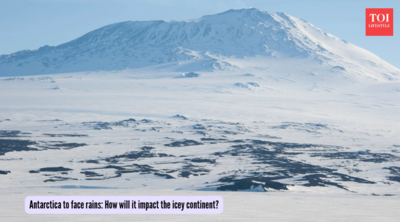
Antarctica, once a frozen polar desert, is now experiencing rainfall due to rising global temperatures. This shift, particularly on the warming Antarctic Peninsula, accelerates glacier melt, threatens ice shelf stability, and endangers wildlife habitats. The continent's icy frontier is undergoing significant changes as the planet heats.
Antarctica is that giant landscape, bundled in endless white, dry weather conditions and endless snowfall. But whispers of changing temperature and weather conditions is getting attention.The world's iciest frontier, long a polar desert, now faces unfamiliar drips from above, especially along its northern tip. This isn't just weather conditions, it's a preview of a warming world reshaping ice, wildlife, and human footprints.Rain here means bigger changes, like glaciers racing faster, penguins in peril, historic relics at risk. As the planet heats, Antarctica's famous chill could yield rains, which is raising alarms!
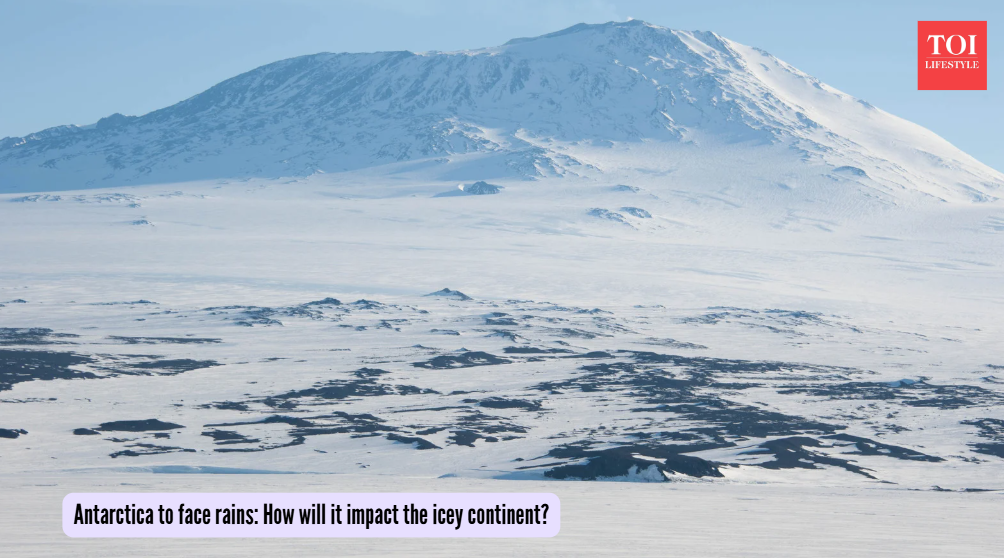
Antarctica to face rains: How will it impact the icey continent?
Antarctica is now welcoming rains over snow
Rain used to be a stranger in Antarctica, but that's changing now, especially on the warming Antarctic Peninsula, the continent's warmest spot, and it is heating quicker than anywhere else and outpacing global changes.A recent study modeled three emissions scenarios and found slight precipitation rises, falling more as rain than snow, changing the region as days above freezing multiply, according to Dr. Ella Gilbert's team, as said in The Conversation report.
Why is this happening?
In 2020, a heatwave brought temperatures to 18.6°C on the northern Antarctic Peninsula, while an adjacent ice shelf experienced unprecedented melting rates. Atmospheric rivers, which are elongated bands of warm, moist air originating from lower latitudes, have intensified these changes, one in February 2022 triggered extreme surface melt, and another in July 2023 introduced rainfall and +2.7°C temperatures to previously unaffected regions.
Rainfall has significant effects
It rapidly melts snow cover, depriving glaciers of essential accumulation. The resulting meltwater reaches glacier beds, lubricating them and accelerating flow toward the ocean, which in turn increases iceberg calving.On floating ice shelves, rain compacts surface snow into ponds that absorb more heat due to reduced reflectivity; this water then penetrates downward, compromising structural integrity, as seen in the collapses of the Larsen A and B ice shelves in the early 2000s.
Representative Image
Sea ice is also vulnerable
Rain removes the reflective snow layer, resulting in faster melting, and diminishes natural wave barriers that shield glacier termini. Consequently, habitats for krill and algae contract, while breeding sites for penguins and seals are diminished.







 English (US) ·