

 1 hour ago
4
1 hour ago
4
ARTICLE AD BOX
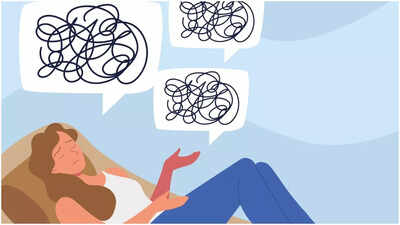
For a lot of anxious people, rest does not feel calming, instead it feels risky. While rest is often presented as a simple act of self-care, for anxious minds, it can trigger discomfort or guilt.
It may appear irrational to many, but reality is different. Anxiety is the body’s way of preparing for potential danger. It keeps the nervous system alert, scanning the environment for what might go wrong and mobilising energy to respond. In this state, being “on” feels protective. Slowing down, by contrast, can feel like letting one’s guard down and becoming vulnerable to threats.Hustle culture quietly strengthens this pattern. Productivity is considered as being responsible, worthy, and even moral.
On the other hand, rest is treated as something to be earned or justified. Many people, from a very early age in life, learn that staying busy is a sign of competence and value. Over time, this creates an internalised guilt around rest. Despite the pressure of external pressure, the body and mind respond.
In such cases rest feels more like failure, than a biological need.This dynamic is further reinforced by constant exposure to social media and the internet.
In the current day and age, the nervous system is rarely allowed to disengage. From notifications, news cycles to messages, there is always something to react to, compare, become aware of, or anticipate. This ongoing stimulation means constant hypervigilance, which makes stillness unfamiliar. The absence of stimulation brings to the surface internal tensions and thoughts. Rest demands the opposite of what anxiety has trained the system to do: stop monitoring, pause problem-solving, and trust that nothing urgent is being missed.(This is an authored article by Ayesha Sharma, Psychotherapist, Co-Founder, Dialogue Mental Health)









 English (US) ·