

 1 week ago
6
1 week ago
6
ARTICLE AD BOX
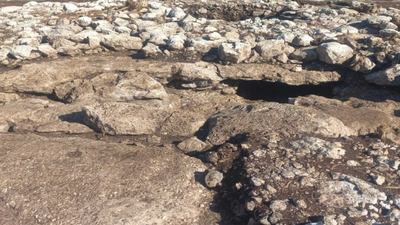
Ancient Mayan ritual context discovered in Yucatán. Image Credit: INAH
A routine archaeological excavation in Mexico has produced a find that may shed some new light on how ancient Mesoamerican societies practised the combination of building, ceremony and belief.Archaeologists excavating at Yaxché de Peón in Mexico's Yucatán Peninsula uncovered a ritual platform with ritual offering deposits beneath it, providing rare insight into ceremonial practices associated with the site's construction. The discovery occurred during archaeological salvage works undertaken due to construction projects within the area and is of great interest as the deposit seems to have remained remarkably untouched since it was first buried.The National Institute of Anthropology and History of Mexico (INAH) said the deposit offered evidence of the symbolic world of pre-Hispanic communities living in the area. It is believed by researchers that the offerings beneath the platform were intentionally placed there during a formal ritual associated with the building itself.A ceremony buried beneath stoneThe platform itself may appear relatively modest, but the discoveries beneath it have attracted archaeologists' attention.
Details of the excavation explain the tightly controlled ritual deposit made of animal bones, pottery and other symbolically important objects buried there before the structure above was built. As the items were sealed beneath building material, they were able to escape erosion and other subsequent interference, providing an excellent preserved find for archaeologists to study in their original context.Such a finding is highly significant to the archaeological world, as any non-displaced find can provide far more information regarding ancient peoples' behaviour.The Secretary of Culture for Mexico, Claudia Curiel de Icaza, said that the find provides additional information for interpreting the organisation of ancient Mesoamerican communities, the role of symbolic thought, and the integration between ritual acts and construction work.Why a burial deposit is significantBurying offerings beneath monumental architecture was quite a common practice throughout pre-Hispanic Mesoamerica.Evidence of ritual deposits beneath ceremonial platforms, temples and public ceremonial areas exists throughout archaeological reports.
These ritual deposits were deliberately placed as offerings of dedication to such sites and contained symbolic offerings of fertility, celestial order, authority, and divine interaction.A 2025 peer-reviewed analysis indexed in PubMed examining obsidian artefacts from the Mexica site of Templo Mayor in ancient Tenochtitlan found that many objects were recovered from ceremonial offering contexts, reflecting deeply embedded ritual practices.The new Yaxch de Peón finding appears to fit this broader pattern of ritual deposition documented across Mesoamerica, despite predating the Aztec Empire by centuries, and is often interpreted by researchers as a physical record of ceremonial behaviour linked to a significant moment in community life.
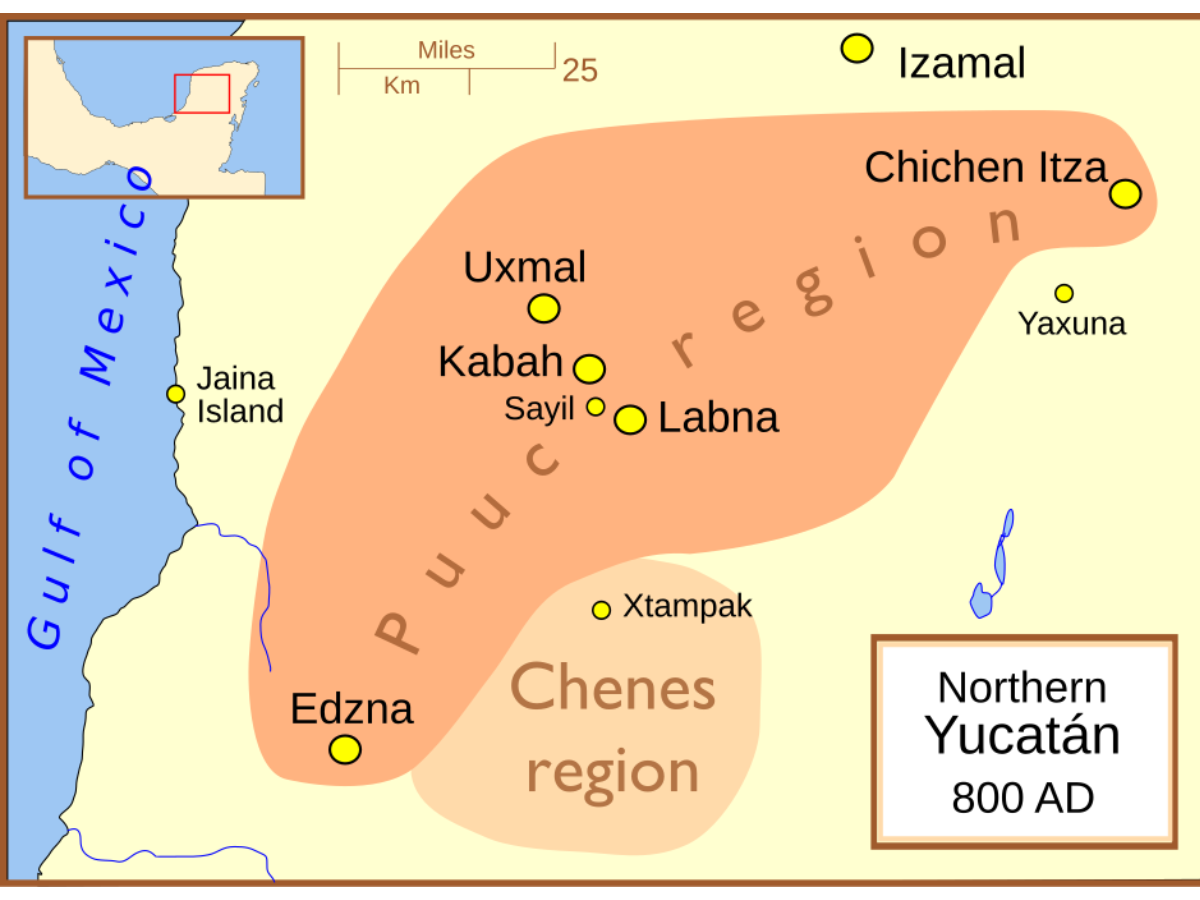
A map showing the major Maya sites and regions of the northern Yucatán peninsula. Image Credit: Wikimedia Commons
What will archaeologists learn from the findings?One reason this find is considered important is the degree of preservation, as any ritual deposits buried beneath construction should be examined by an archaeologist as soon as possible.
It will be through the way in which they have been buried that they will be most useful to researchers.A PubMed-indexed study of ritual deposits at the monumental site of Aguada Fénix found that the underground offerings were often built into the construction itself, suggesting that the structure played an active role in ritual practice.That is to say, rather than simply constructing a monument for a ceremony, ancient communities were participating in the creation of a place for worship.Understanding ancient belief systems through offering cachesOffering caches throughout central Mexico and the entire Mesoamerican region include the most varied array of finds from obsidian, jade and shells, to animal remains and other objects of ceremony.In a comparative study published in the journal PLOS ONE, available through PubMed, researchers analysed offering caches across Mesoamerica and found that many of the artefacts appear to have served symbolic rather than practical purposes.They show how important it was to archaeologists that every object within this newly discovered cache and its position in the cache could provide valuable information about the mindset and behaviour of the people who buried them.More than just an archaeology spectacleAlthough the most attention paid to archaeological digs is the artefactual finds that come from these sites, experts suggest that the true importance is the behaviour of those people from whom the artefacts have been extracted.The ritual deposit and the platform it lay under seem to provide a still moment in time and allow archaeologists a glimpse at how the ancients merged construction and ceremony into a single act, imbuing their architecture with spiritual intent.For many archaeologists, that makes the discovery far more than a collection of artefacts. It is a snapshot of belief, ritual and social organisation that survived underground for centuries, waiting to be uncovered.








 English (US) ·