

 1 week ago
10
1 week ago
10
ARTICLE AD BOX
Earlier this month, teenage world champion D Gukesh did something he has probably not done in a long time. He pulled out of a chess tournament. While the teenager from Chennai has not spoken about why he withdrew from the Tata Steel India Rapid and Blitz tournament in Kolkata — the official statement says that he withdrew for personal reasons — the no-show was understandable. In less than 10 months, Gukesh will defend the crown that weighed so heavily upon him in 2025.
It was only in November last year, during the FIDE World Cup in Goa, that Gukesh was defending his heavy workload.
“I was telling myself, if I don’t push myself now, at this age, when am I going to push myself?” he had confidently told FIDE in an interview.
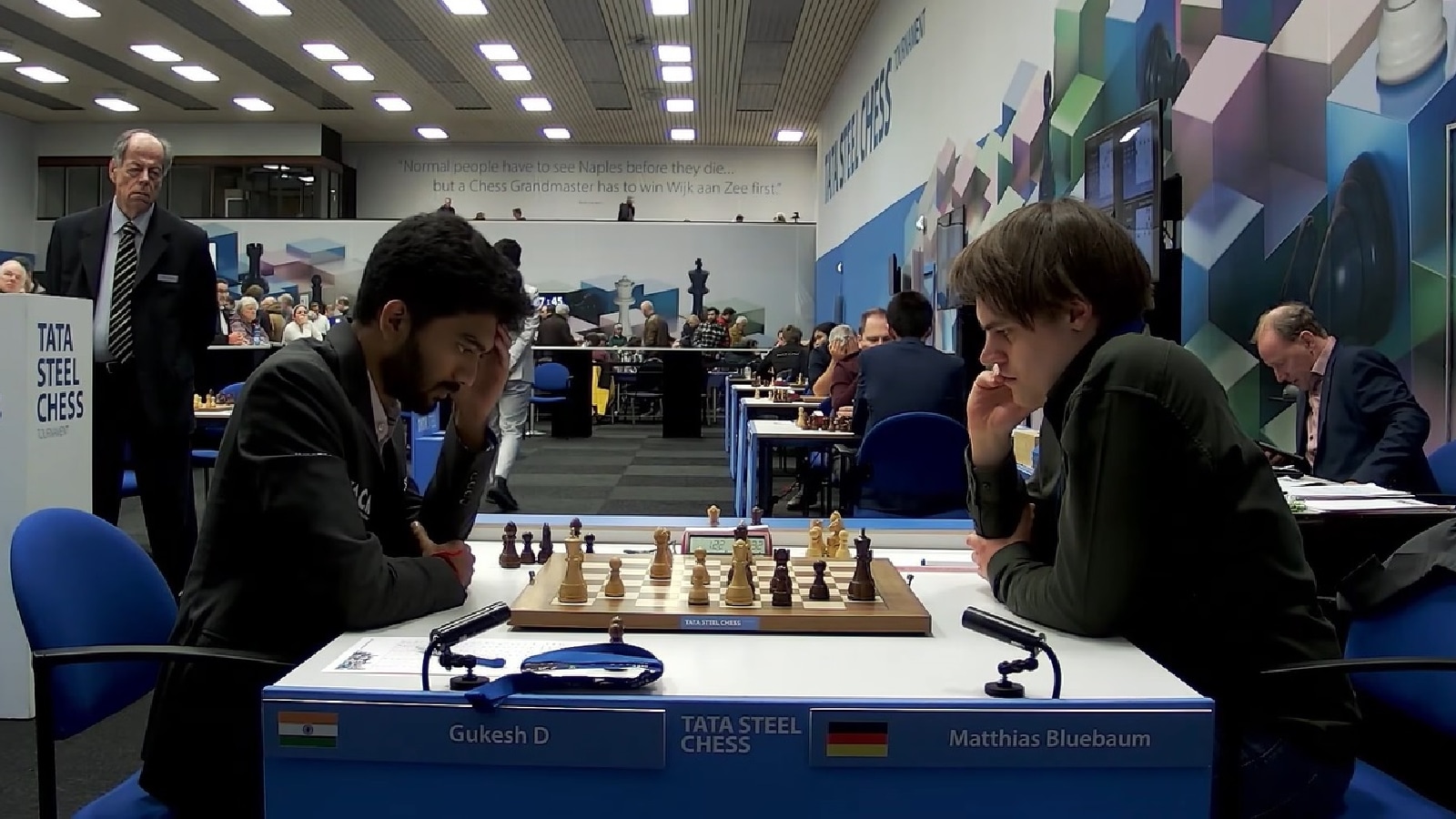
Not in 2026, he won’t, as his coach Grzegorz Gajewski told The Indian Express in an interview before the start of the ongoing 2026 Tata Steel Chess tournament in Wijk aan Zee.
ALSO READ | After a relentless 2025, R Praggnanandhaa starts classical campaign at Tata Steel Chess with twin defeats and draw
“For sure, he won’t be playing too many events. We will play in the most important ones, simply because he is very young and playing is the best thing for him to grow. We are planning to stay active, but we will have to scale back. Some of the exhibition matches, online events, we will have to skip, that’s certain.”
Unlike athletes in other sports, India’s troika of chess prodigies— Gukesh, R Praggnanandhaa and Arjun Erigaisi — has not felt the need to do workload management. Until now.
Story continues below this ad
Playing one tournament after another with scant breaks could lead to fatigue.
“For Praggnanandhaa, 2025 was an unbelievable year. But he kind of trailed off at the end, because you cannot play this much chess. At some point, fatigue sets in to an extent where it becomes very difficult to manage,” Peter Svidler, who was working as Praggnanandhaa’s coach in 2024 said on the New In Chess podcast recently.
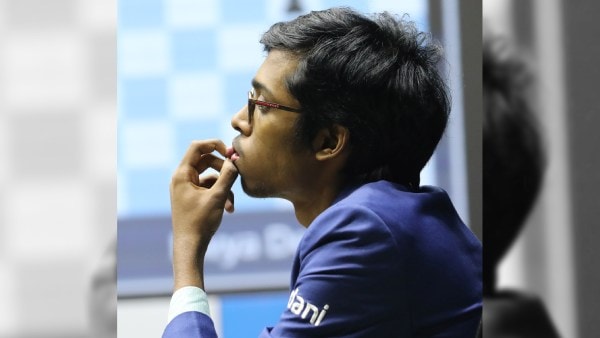 India’s R Praggnanandhaa in action in Tata Steel Chess India in Kolkata. (Express photo by Partha Paul)
Srinath Narayanan, who has coached present-day stars like Erigaisi and Nihal Sarin, agrees.
After Pragg started the recent Wijk aan Zee tournament with two defeats in a row, Srinath had pointed at the youngster’s own comments late last year about playing non-stop.
Story continues below this ad
“There is a factor of tiredness, fatigue in general, which Pragg himself mentioned a couple of months back. He said that he was spending a maximum of 15 days at home last year. The mental fatigue catches up if you’re constantly playing against such top-level opposition. Then over a period of time, it starts showing in your play. For Pragg, that can also be a potential factor. He hasn’t had a big break. I do feel that there’s an effect of fatigue in Pragg’s recent tournaments.”
Why calendars of prodigies are becoming ‘unmanageable’
Svidler has first-hand experience from his own playing days that burnout can hit when one plays without a break.
“Just managing the calendar these days seems completely impossible. I had this conversation with Pragg and recognised this pattern of events that happened to me in 2000 where at some point, I played like six tournaments in a row with 10 days of break over a three-month period,” the Russian Grandmaster said on New In Chess podcast.
So why don’t elite chess players sit a few tournaments out?
Story continues below this ad
ALSO READ | ‘Gukesh’s opponents face pressure as well, just not as much as him,’ says coach Grzegorz Gajewski
Svidler explains the complexities of managing the chess calendar for today’s young stars, who are in high demand. Unlike sports like tennis or badminton, Svidler notes, saying no to playing in a chess tournament is “not illegal.”
“But how do you say no to a bunch of strong tournaments with good financial incentives? It seems extremely difficult to navigate. What happens is, you get an invite to a tournament when your calendar is sort of free. You say yes. Then you get invited to something else, you say yes to that because your calendar is still not completely overbooked and this might be a stronger event than the first one you agreed to play in. And then another one comes in. Six event invites never come in at the same time. They come drip, drip, drip. So you don’t realise immediately that if you say yes to all of these, you will collapse and need CPR.”
But with tournaments like Candidates and the World Championship on the horizon, saying no to events this year might be slightly easier.
Story continues below this ad
If 2025 was the year to experiment and try out everything from the buffet of chess tournaments for Praggnanandhaa and Gukesh, 2026 most likely will be the year to hunker down and focus on classical chess.


 English (US) ·