

 1 hour ago
4
1 hour ago
4
ARTICLE AD BOX
Last Updated:March 19, 2026, 10:33 IST
While Donald Trump and Benjamin Netanyahu are closely coordinating military action, their visions of what victory looks like---and how to get there---are beginning to diverge


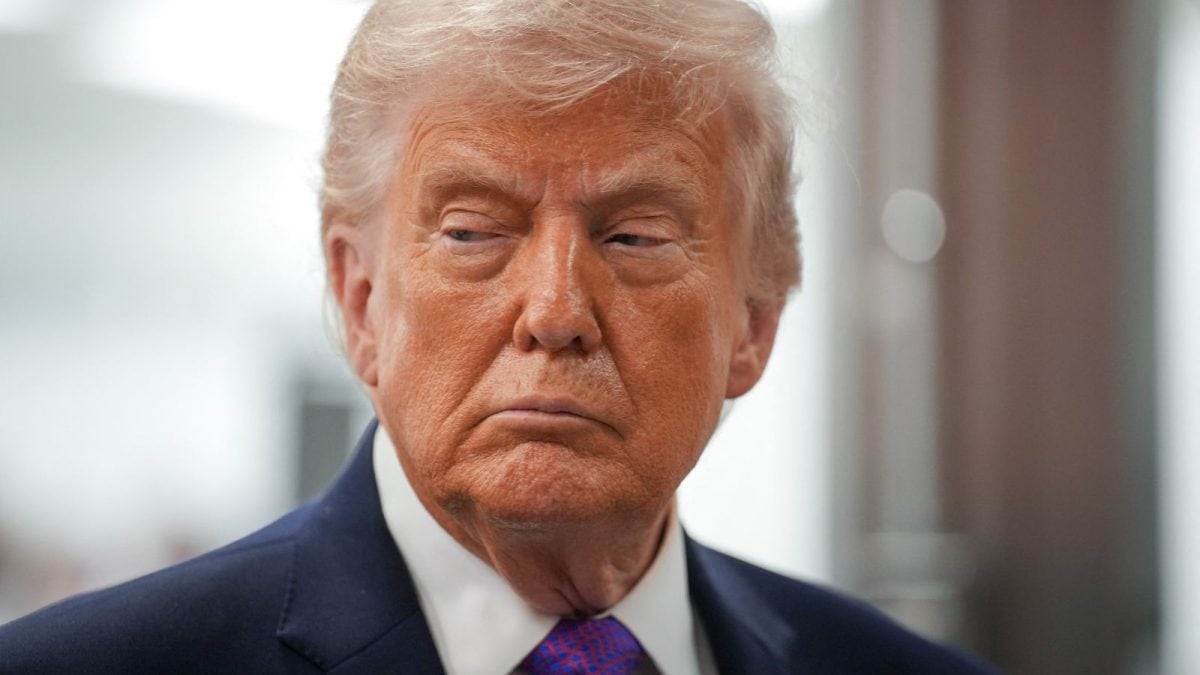
Three of Trump’s advisers have said they believe he will want to end major operations before Netanyahu. (AFP)
The United States and Israel may be fighting Iran as allies, but they are not necessarily fighting the same war. As the conflict intensifies, a clearer picture is emerging: while Donald Trump and Benjamin Netanyahu are closely coordinating military action, their visions of what victory looks like—and how to get there—are beginning to diverge and the gap could become the defining fault line of the war.
Moment Of Shared Opportunity
The current conflict began on February 28 when America and Israel launched coordinated strikes targeting Iran’s nuclear, missile, and military infrastructure. Both Trump and Netanyahu saw a strategic window, given Iran’s weakened regional position and stalled nuclear negotiations, to act militarily rather than diplomatically.
According to The Conversation, this convergence of interests—Trump’s willingness to use force and Netanyahu’s long-standing push to confront Iran—helped set the war in motion.
As the war progresses, both the leaders remain in close contact, with tight military coordination on strikes and targeting. But beneath this operational unity lies a growing strategic divergence, an Axios report warns.
When concerns surfaced in Israel about possible US backchannel talks with Iran, a US official told Axios: “They know we are not talking to the Iranians." The episode suggested a deeper Israeli concern that Washington could eventually push for a ceasefire before Israel achieves all its objectives.
The US Approach
As per Axios, Washington’s objectives are relatively defined and military-centric. It wants to destroy Iran’s missile and nuclear capabilities, cripple its military infrastructure, and reduce support to proxy groups.
Regime change, while desirable to some, is not essential to declaring victory. US officials see the war as something that can be concluded once these goals are met.
Three of Trump’s advisers have told Axios they believe he will want to end major operations before Netanyahu. Trump himself has publicly signalled a limited timeline. In an interview with Axios, he said there is “practically nothing left" to target in Iran and that the war could end “soon".
Axios also reports Trump telling aides the campaign is ahead of schedule and has achieved more damage than expected, reinforcing the idea that Washington sees this as a finite, winnable operation.
What Israel Wants
In short, Netanyahu wants a longer, deeper war. Compared to the United States, Israel’s objectives appear broader.
According to Axios, Israeli operations include targeting senior leadership and there is openness to destabilising or even toppling the regime.
Netanyahu has long framed Iran as an existential threat, and his approach reflects a willingness to pursue a more transformational outcome.
“Israel has other focuses and we know that," a White House official told Axios. Another added: “Israel is going to try to kill their new leader. They’re much more interested in that than we are."
Diverging Views
This is exactly where the divergence becomes critical.
While Trump is signalling he could wrap up the war once key targets are destroyed, Netanyahu is expected to push for a longer campaign to fundamentally reshape Iran.
According to The Conversation, such differences are typical in coalition wars: unity holds at the start, but fractures emerge over the endgame.
Even the targeting reflects this divide. While the US is prioritising military infrastructure, Israel is also striking leadership and regime-linked targets—Supreme Leader Ali Khamenei, Ali Larijani, Gholamreza Soleimani, Esmail Khatib and more.
The only visible strain in coordination during the first two weeks of the war emerged after Israel struck Iranian oil storage facilities. Officials say keeping global oil markets stable matters far more to Washington than it does to Israel. Following the strike, the White House urged Israel to avoid hitting oil infrastructure again unless it had explicit approval from the US.
“Israel doesn’t hate the chaos. We do. We want stability. Netanyahu? Not so much, especially in Iran. They hate the Iranian government a lot more than we do," a White House official told Axios.
In effect, Washington is fighting a limited war of degradation, while Israel appears to be pursuing a broader strategic reset in Iran.
This divergence between Washington and Tel Aviv matters because it could shape the duration of the war, the possibility of a ceasefire, and the overall regional outcome.
If the US decides to declare victory early while Israel continues pushing deeper, the alliance could face its biggest test yet.
Location :
United States of America (USA)
First Published:
March 19, 2026, 10:33 IST
News explainers Are US & Israel Fighting The Same War Against Iran? Trump's Aides Aren't Sure
Disclaimer: Comments reflect users’ views, not News18’s. Please keep discussions respectful and constructive. Abusive, defamatory, or illegal comments will be removed. News18 may disable any comment at its discretion. By posting, you agree to our Terms of Use and Privacy Policy.
Read More







 English (US) ·