

 1 hour ago
4
1 hour ago
4
ARTICLE AD BOX
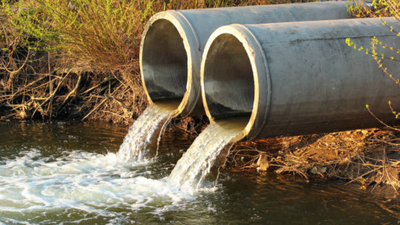
Health authorities in Western Australia have detected poliovirus in wastewater samples from Perth, marking the first time the virus has shown up in Australian sewage in years. The discovery happened in mid-April, and while it's making headlines, officials are being clear: this isn't a public health emergency.The virus was found through Australia's national polio surveillance program, which regularly tests wastewater as an early warning system. What they found was vaccine-derived poliovirus Type 2—a strain that's popped up in wastewater across Europe, Africa, and Papua New Guinea recently. Here's the thing though. Western Australia's Chief Health Officer Dr Clare Huppatz said the risk to the general population is extremely low.
She pointed to one key fact: 92 per cent of WA children are vaccinated against polio. That's a high enough number that the virus can't easily spread, even if it's lurking in the sewage system. "The potential for this strain to circulate in a highly vaccinated population is very low," Dr Huppatz said.
"This detection does not provide evidence of spread of the disease in WA."So where did it come from? Officials reckon someone who travelled overseas and is carrying the virus probably shed it into the water system.
We've actually seen this before. When Europe detected poliovirus in wastewater during 2024 and 2025, nobody got sick. The difference between vaccines matters here. Many countries overseas use the oral polio vaccine, which contains a tiny amount of weakened live virus. In rare cases, that virus can evolve into what's called vaccine-derived poliovirus and potentially spread to communities where vaccination rates are low. Australia hasn't seen a natural case of polio since 2000. The virus was eliminated here decades ago, and it's stayed eliminated because the vaccine program is solid.Most people infected with poliovirus don't even notice—they either have no symptoms or mild ones. But in a small number of cases, it can lead to paralysis, which is why this detection, while low-risk, still matters. It's a reminder that polio exists elsewhere and vaccination is non-negotiable.






 English (US) ·