

 56 minutes ago
9
56 minutes ago
9
ARTICLE AD BOX
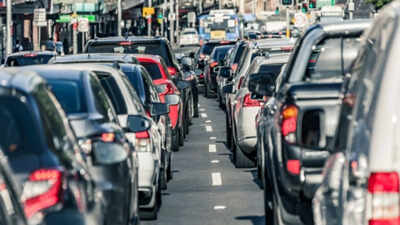
Turns out, Australian drivers have a new study material in hand — it’s the new road rules. In these 2026 new road rules, the road rule book is changing, penalties are going up, and the focus on risky behaviour is tighter than ever.
So, if you’re an Australian driver who drives a car, gets around on two wheels, or rides an e-scooter, this needs your attention.Now, Australia doesn’t have a single nationwide road code that changes uniformly every year. Instead, several states are rolling out big changes from July 1, 2026, alongside annual increases in fines linked to inflation.Think tougher speeding and drink-driving penalties, stricter rules for e-bike riders, stronger enforcement around mobile phones, new fines, and revised systems for unpaid fines.
A lot is happening, so staying updated matters.But why is this happening now?The short answer is road deaths, unsafe driving, and a rise in risky behaviour. Everyone has seen drivers glance at their phones, zip around on e-scooters without helmets, or ignore speed limits. Australian governments and road safety experts have been warning: even small mistakes can cost lives.
Australia's new road rules 2026: What’s happening?
Here's everything drivers need to know about the new rules now in effect across Australian roads:
Queensland
Queensland, as it seems, is really going after e-scooters and e-bikes.
In Queensland, police have been handed more power to seize and destroy illegal e-bikes and e-scooters. Now, riders get random breath tests, and the blood alcohol limit is the same as for car drivers — stay below 0.05.There are restrictions on speed limits. E-scooters, e-skateboards, and similar gadgets can stick to 25km/h max on roads, and just 12km/h on footpaths or shared paths with pedestrians around. Riders now face tougher fines for speeding, breaking helmet rules, ferrying passengers, or using these things in banned areas.
From August 31, most e-bike riders need to be at least 16 and hold some kind of driver’s licence (even a learner’s permit), though there are a few exceptions.On top of that, the fine for using your mobile while driving has climbed again — and with more cameras across the state, you’re way more likely to get caught for texting at the wheel or not wearing a seatbelt.
South Australia
Here, in South Australia, every offence is now more expensive.
From July 1, penalties for speeding, drink-driving and more have all increased — all linked to inflation. Even small offences (under 10km/h over the limit) now cost A$215, with fines over A$2,000 if you speed by more than 45km/h. Drink-driving is more costly, even at lower readings.
Victoria
Missed a fine? You’ll have to pay even more. No new driving offences this year, but Victoria has cranked up what happens if you don’t pay fines on time.
Leave a penalty notice sitting around, and it’ll only get more expensive, quickly.
West Australia
Big changes are being considered for learners and new drivers in the Western end. None of the new rules have dropped yet, but Western Australia is thinking about some big shifts. Longer minimum periods with a learner licence (from six to 12 months), more supervised driving required (80 hours instead of 50, with more night driving), and a longer provisional period for new p-platers.
However, these ideas are still proposals — nothing has been locked in yet.
New South Wales
Here, cameras are set to pull off double duties. NSW keeps adding more cameras. The latest is bi-directional mobile phone and seatbelt detection tech. One camera can now watch both sides of a single-lane road. Early results show fewer people breaking the rules since these rolled out, but authorities say distracted driving is still a big problem.
What about the state lines?
The bottom line here: don’t get caught out. Lots of core rules stay the same across Australia, but the details and penalties vary (sometimes a lot) from place to place. If you drive to another state, check their laws first. Some key points never change: never touch your phone while driving (unless there’s a clear legal exception), everyone needs a seatbelt, obey speed limits, don’t drink or drug drive, respect school zones and emergency vehicles, and always give cyclists space.If you’re on a bike, e-bike or e-scooter, helmets are mandatory. Stick to the speed limits, don’t carry passengers unless allowed, and make sure you’re riding where it’s legal. Mess these up, and fines add up fast.Authorities are clear on one thing: penalties and enforcement are getting stricter, not just to punish, but to actually change driver and rider behaviour. Fines are higher, camera detection is better, and police powers have grown.
The idea is that fewer people end up in hospital — or worse.To sum it up, in 2026, two things save you the most hassle and heartbreak: know the updated rules, and stick to them. Whether you’re commuting, learning to drive, or riding a scooter to school, it’s not just about avoiding a ticket — it’s about making it home safe.









 English (US) ·