

 1 hour ago
4
1 hour ago
4
ARTICLE AD BOX
Last Updated:March 09, 2026, 12:47 IST
Bahrain’s state oil company Bapco declared force majeure on its shipments after Iranian strikes targeted the country’s only refinery amid escalating Gulf attacks.


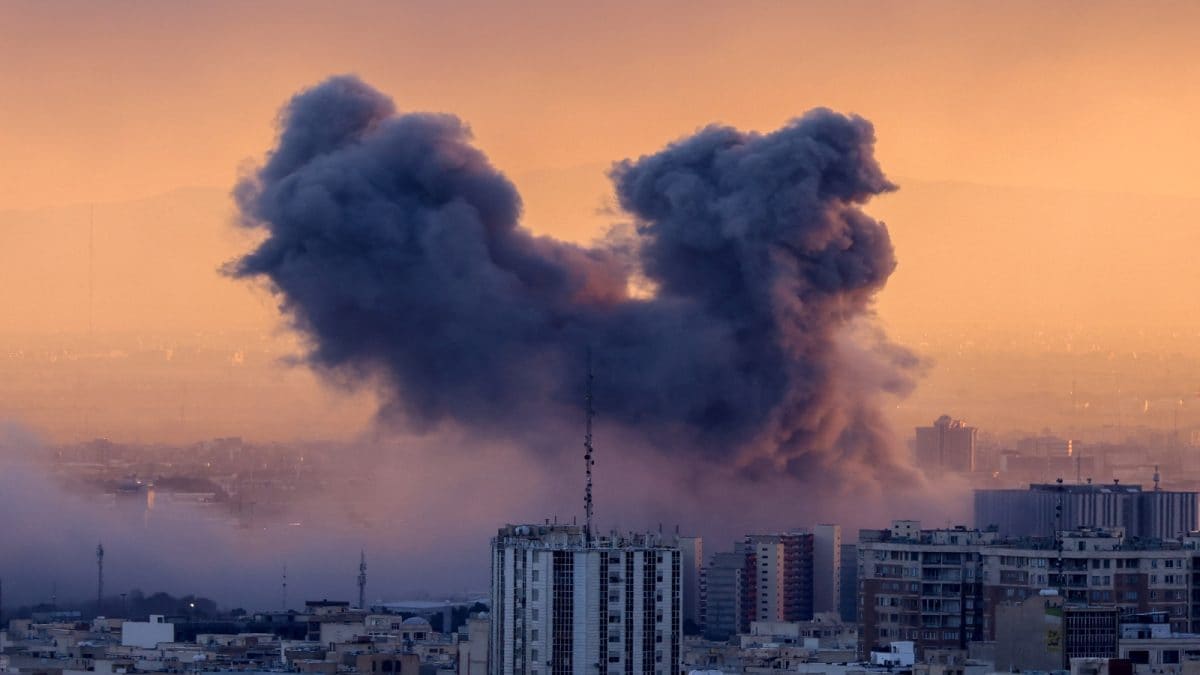
Image shows damage following a drone attack on a high-rise apartment building in Bahrain's capital Manama (Photo: AFP)
Bahrain’s state-owned oil company Bapco has declared force majeure on its shipments after Iranian strikes targeted the country’s only oil refinery, disrupting operations amid the escalating conflict in the Gulf.
The move came after Iran attacked Bahrain’s sole oil refinery, forcing the company to suspend certain shipments and operations.
In a statement issued on Monday, Bapco confirmed the decision and cited the ongoing regional conflict and the direct impact of the attack on its refinery complex.
“Bapco hereby serves notice of force majeure on its group operations which have been affected by the ongoing regional conflict in the Middle East and the recent attack on its refinery complex," the company said in a statement, according to AFP.
Force majeure is typically invoked when extraordinary circumstances prevent a company from fulfilling contractual obligations, such as shipping or supply commitments.
OIL PRICES SURGE ABOVE $100
The widening conflict has also rattled global energy markets.
According to the Associated Press, oil prices surged past $100 per barrel for the first time in more than three and a half years as the war disrupted oil production and shipping routes in the Middle East.
Brent crude, the international benchmark, rose to $107.97 per barrel, up 16.5% from its previous closing price.
Meanwhile, West Texas Intermediate, the US benchmark, was trading at about $106.22 per barrel, nearly 17 per cent higher than its previous closing level.
The conflict has heightened concerns over supply disruptions, particularly around the Strait of Hormuz, a key maritime route through which about 15 million barrels of crude oil, roughly 20 per cent of the world’s supply, are shipped daily.
The threat of Iranian missile and drone attacks has significantly disrupted tanker traffic through the strait, which is bordered by Iran and serves as a vital route for oil exports from Saudi Arabia, Kuwait, Iraq, Qatar, Bahrain, the United Arab Emirates and Iran.
Analysts have warned that prolonged disruptions could tighten global supply and increase pressure on energy markets worldwide as the conflict continues to spread across the region.
DRONE ATTACK INJURES 32 IN BAHRAIN
Meanwhile, Bahrain said an Iranian drone attack on the island of Sitra injured 32 people overnight, including children, according to AFP.
The health ministry said all those injured were Bahraini citizens and that four of the cases were serious.
The wounded included a 17-year-old girl who suffered severe head and eye injuries, as well as a two-month-old baby, the ministry said in a statement carried by the state news agency.
GULF NATIONS REPORT FRESH MISSILE AND DRONE ATTACKS
Several Gulf countries reported new attacks on Monday as Iran continued its retaliatory campaign across the region, according to AFP.
Explosions were heard in Qatar’s capital, Doha, AFP journalists said, as the country faced waves of Iranian drones and missiles.
Qatar’s defence ministry said its forces had intercepted a missile attack, preventing potential damage.
In Saudi Arabia, the defence ministry said the kingdom intercepted and destroyed two waves of drones heading toward the Shaybah oil field in the southeast of the country.
The United Arab Emirates also reported that its air defences responded to a missile threat, according to a statement by the National Emergency Crisis and Disaster Management Authority posted on X.
Meanwhile, Kuwait, which authorities said was targeted by seven missiles and five drones on Sunday, announced another missile and drone attack on Monday, with its defence ministry saying air defences were working to intercept the incoming threats.
US ORDERS EMBASSY STAFF TO LEAVE SAUDI ARABIA
The United States has ordered non-emergency embassy staff and their families to leave Saudi Arabia due to safety concerns linked to the ongoing attacks in the region.
The US State Department said in a travel advisory that it had “ordered non-emergency US government employees and US government employee family members to leave Saudi Arabia due to safety risks."
Drone attacks have also affected US diplomatic facilities in the Gulf.
According to the report, drones struck the US embassy in the Saudi capital Riyadh last week and caused damage at US embassies in Kuwait and the United Arab Emirates.
Gulf countries have borne much of Iran’s response after the United States and Israel launched a massive air campaign against Iran on February 28.
Iranian President Masoud Pezeshkian has warned that the Islamic Republic “will be forced to respond" against neighbouring countries if their territory is used to attack Iran.
First Published:
March 09, 2026, 12:47 IST
News world Bahrain's Oil Company Bapco Declares Force Majeure After Iranian Strikes Hit Country's Refinery
Disclaimer: Comments reflect users’ views, not News18’s. Please keep discussions respectful and constructive. Abusive, defamatory, or illegal comments will be removed. News18 may disable any comment at its discretion. By posting, you agree to our Terms of Use and Privacy Policy.
Read More




 English (US) ·