

 50 minutes ago
3
50 minutes ago
3
ARTICLE AD BOX
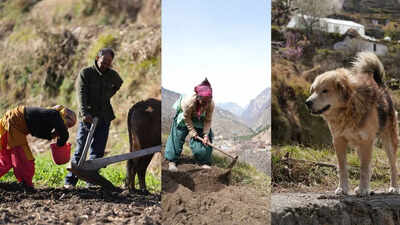
Image Credit: Special Arrangement/ Ashutosh Dhasmana
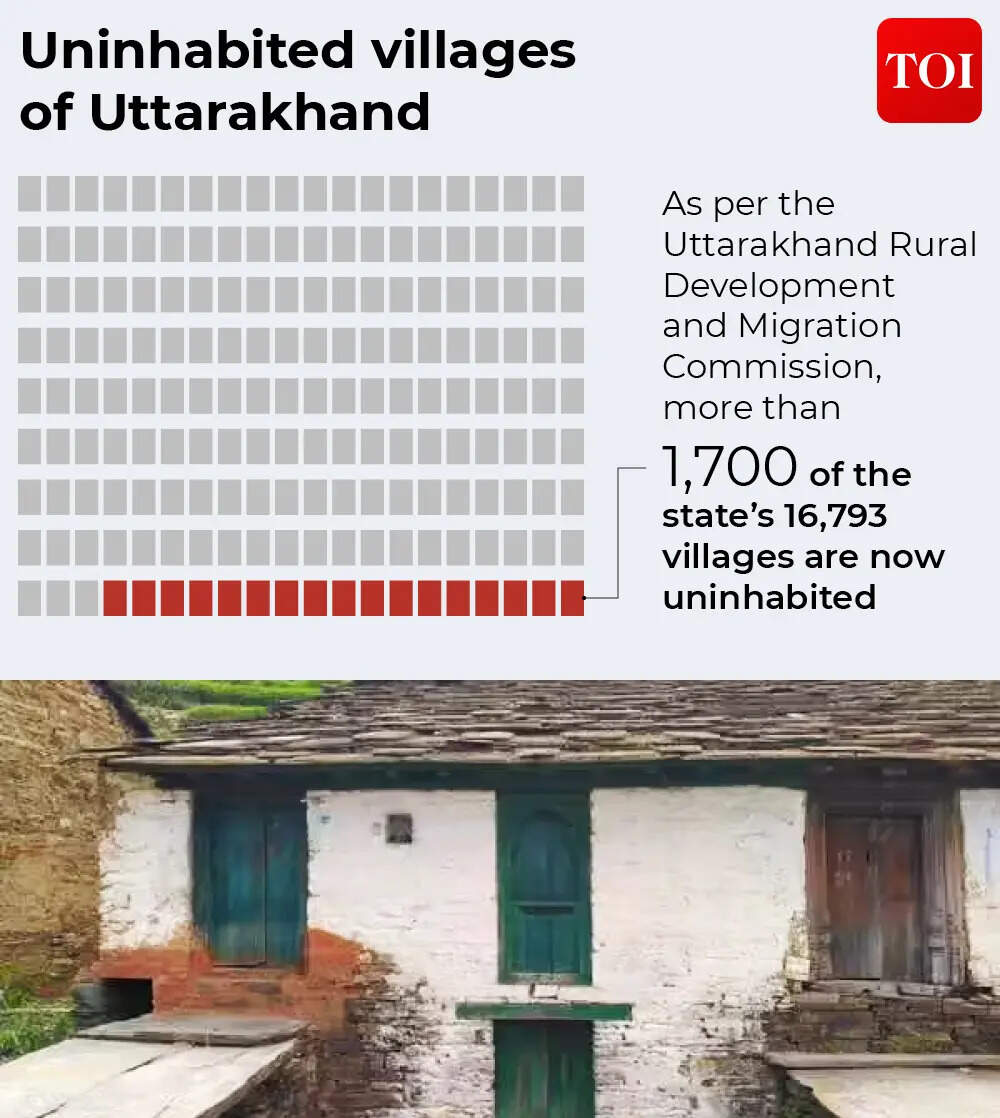
DEHARDUN: At the end of Pather Panchali,(a Satyajit Jit Ray classic) when Apu’s family leaves the village, a snake silently enters their abandoned home. The moment is haunting in its simplicity: a house is never truly empty.When humans leave, nature enters. The home changes ownership — from memory to wilderness.Across Uttarakhand, a similar silence is slowly spreading through the mountains.According to official data, more than 1,700 of the state’s 16,793 villages are now uninhabited.
In many others, only a handful of elderly residents remain, guarding locked homes, empty fields, fading traditions and memories of a once-vibrant life."The mountains are beautiful, but beauty alone cannot feed a family,” says Ashutosh Dhasmana, founder of the Indian Eco Village Network (IEN), who has spent years working with rural communities, eco-villages and grassroots livelihood initiatives across Uttarakhand.Originally from Pauri Garhwal, where his own ancestral village now has only a few residents left, Dhasmana says migration in the hills has changed dramatically over the last decade.
Speaking to TOI, Ashutosh explained how migration, climate change, shrinking livelihoods and fading cultural ties are together transforming large parts of Uttarakhand into 'ghost villages.'How serious is the ghost village crisis in Uttarakhand today compared to a decade ago?The ghost village crisis feels far more serious in 2026 than it did a decade ago. Earlier, migration was still partial.One or two family members would leave for education, jobs or the army, but village life continued.
There were elders, children, farming, festivals and daily conversations.
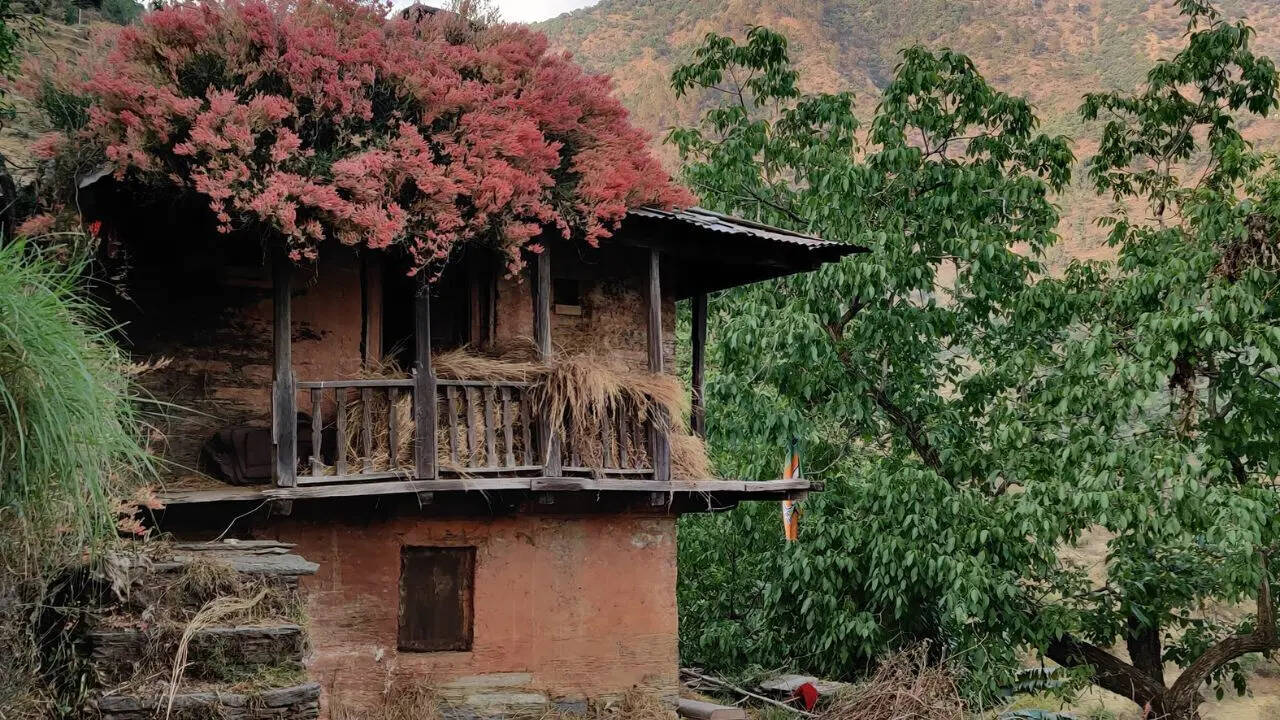
Image Credit: Ashutosh Dhasmana/ (Special Arrangement)
But now, in many places, entire families have moved out. Slowly, whole villages are becoming empty.During Covid, many people returned to the villages. There was hope that farming, homestays, remote work and local businesses could revive rural life. But most people could not stay because the ecosystem was still missing — livelihood opportunities, healthcare, education, internet connectivity and market access.Why are people abandoning villages?People do not leave villages because they dislike them. They leave because the village slowly stops offering them a future.My own father moved out for education, and naturally his aspirations changed. He wanted better opportunities, more convenience and a stable future for his family. This is the story of many families in Uttarakhand.The biggest reason behind migration is the absence of possibility — the possibility of earning with dignity, educating children well, accessing healthcare and building a secure future.
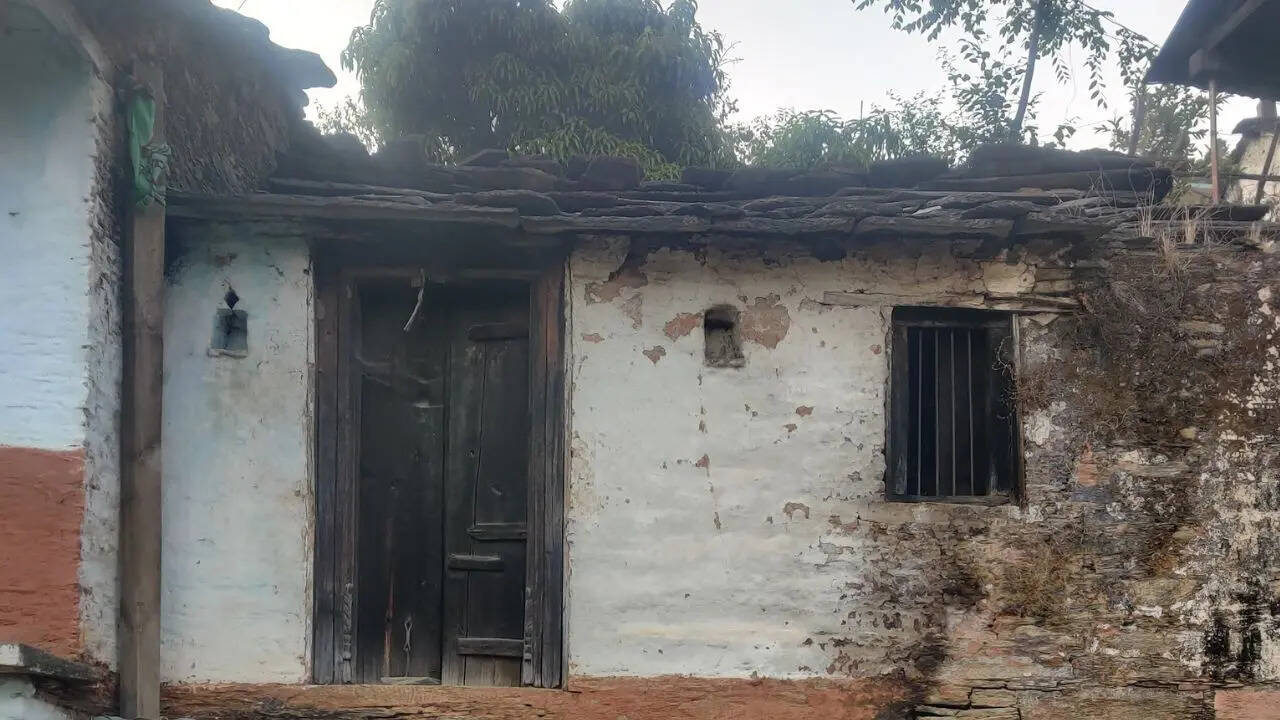
Image Credit: Special Arrangement
Farming in the hills has become extremely difficult. Landholdings are small, market access is weak, crops are destroyed by wild animals and farming is no longer seen as aspirational by young people.Education is another major factor. Once children move to towns for better schooling, the family gradually disconnects from the village. Healthcare emergencies also force families to move closer to urban centres.Which regions are witnessing the highest depopulation?Places like Pauri, especially the Chaubattakhal belt, along with Almora, Tehri, Rudraprayag, Chamoli, Pithoragarh and other interior hill regions are deeply affected.Infrastructure has improved over the years. Roads, electricity and mobile networks have reached many villages. But at the same time, people have left.You now see roads leading to villages where very few people actually live. Houses are locked. Fields are abandoned. Farming has stopped.That makes you realise infrastructure alone cannot save a village. A road is useful only when there is something meaningful to stay back for.
Otherwise, the same road becomes the road through which people leave. How has climate change contributed to migration?Climate change has become one of the silent forces behind migration.Springs that once fed fields are drying up. Rainfall patterns have become unpredictable. Landslides block roads more frequently. Forest fires are becoming more common. Farming cycles have changed.Earlier, weather had a rhythm. People knew when to sow, harvest and expect water recharge.
That rhythm is now disturbed.
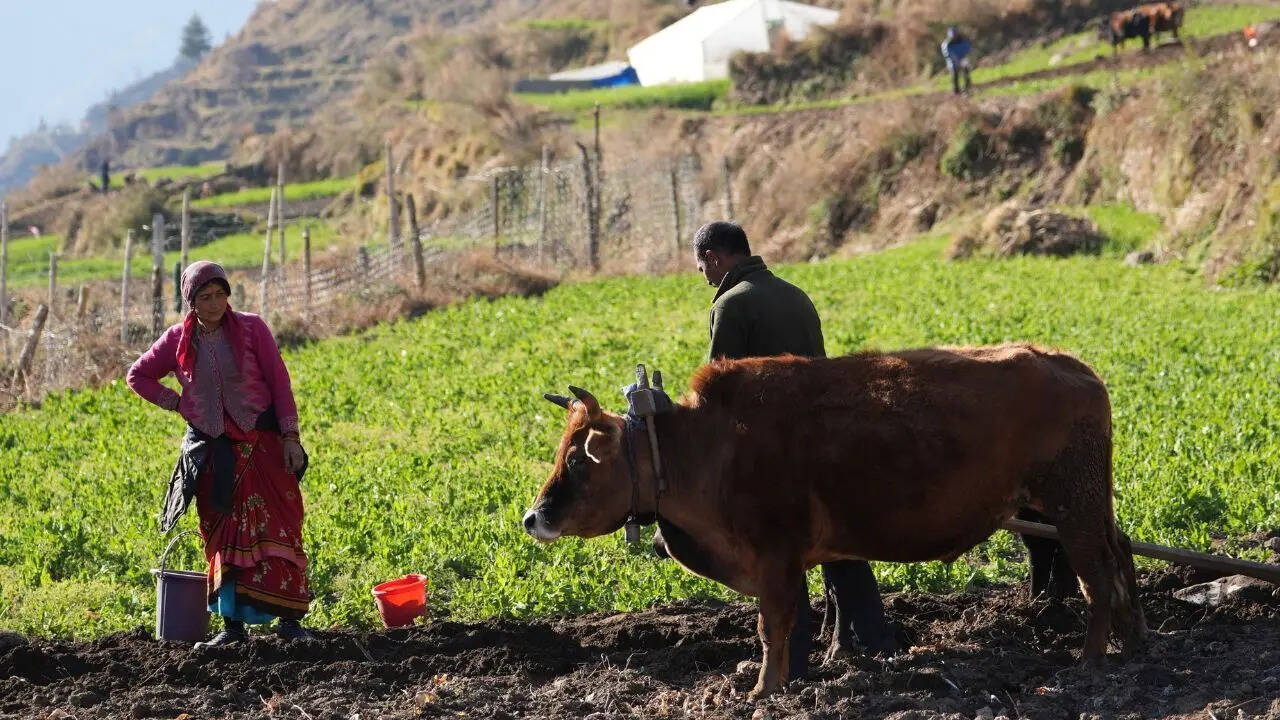
Image Credit: Ashutosh Dhasmana/ Special Arrangement
For people in cities, climate change may still be a debate. But in the mountains, it is daily uncertainty.What impact has migration had on agriculture and culture?The first thing migration does is silence the fields.Terrace farms that once grew mandua, jhangora, rajma, wheat and pulses slowly become empty. Over time, fields turn into forests and restarting farming becomes difficult.But the bigger loss is cultural.A village is not just a collection of houses. It is songs, food, dialects, rituals, forests, water sources, festivals, temple gatherings and shared memories.Traditional knowledge — of herbs, seeds, seasons, architecture and food preservation — lives in people, not in books. When the last generation disappears, an entire library disappears with them.Are government schemes helping revive villages?Some schemes are helping, especially those promoting homestays, fisheries and horticulture.
But schemes alone cannot revive villages.A subsidy cannot create belonging. A road cannot create livelihood.What villages need is imagination. We must ask what a village can become in today’s world — a learning village, a farm-tourism village, a wellness village, a craft village or a remote-work community.Where schemes are connected to local skills, local culture and real income generation, they work far better.What happens to the elderly residents who stay behind?This is the most emotional part of the ghost village story.Many elderly people refuse to leave because their identity is tied to the land. They know every field, every tree, every pathway and every temple bell.But as younger generations move away, their world becomes smaller. There are fewer neighbours, fewer conversations, fewer celebrations and fewer people to help during emergencies.Imagine living in a village where every house around you is locked. That is not just physical isolation. It is emotional isolation.Many elders become guardians of memory. They are protecting what is left of the village.Can tourism and remote work revive villages?Yes, but only if it is done sensitively.Mass tourism can damage the very thing people come looking for. What Uttarakhand needs is community-led tourism — homestays run by local families, farm stays, village walks, traditional food experiences, storytelling evenings and learning journeys.If tourism is owned by outsiders, the village becomes a backdrop. If it is owned by locals, the village becomes alive.Remote work also has potential, but people need internet, healthcare, safety, comfort and community support to live long-term in villages.Is migration natural or distress-driven?It is both. Some migration is natural. Young people should have the freedom to leave for education, work and opportunity.But the problem begins when migration becomes a compulsion rather than a choice — when people leave because there are no schools, no healthcare, no income and no dignity in village life.The real question is not how to stop migration, but how to make returning possible again.Right now, many young people feel staying in the village means they did not succeed. That mindset has to change. Villages have to become aspirational again.What could Uttarakhand look like in the next 10–20 years if urgent steps are not taken?Many villages may survive only as memory villages.Families will still visit during weddings, festivals or summer holidays. They will say, ‘hamara gaon hai’, but nobody will actually live there.Fields may turn into forests. Dialects may weaken. Festivals may shrink. Elders may become lonelier.But I still believe the story can change.Uttarakhand still has what much of the world is searching for — clean food, mountain wisdom, local culture, biodiversity, spirituality and a slower way of life.The challenge is turning these strengths into livelihoods.The village should not survive only as nostalgia. It should return as a possibility.
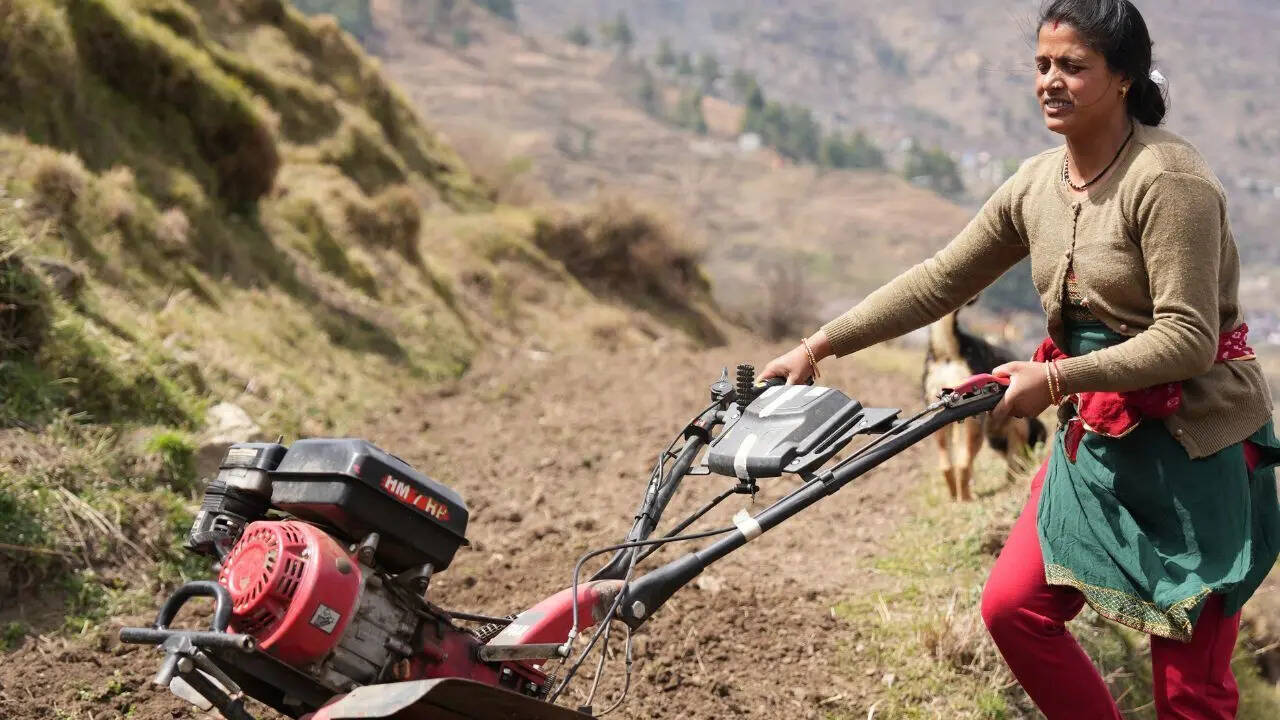
Image Credit: Special Arrangement
In many parts of Uttarakhand, the silence of abandoned villages is no longer sudden — it arrives slowly. Much like Pather Panchali never explains loss through words, the hills too seem to be witnessing a quiet departure — where homes remain standing, but the life inside them slowly fades away.








 English (US) ·