

 1 hour ago
4
1 hour ago
4
ARTICLE AD BOX
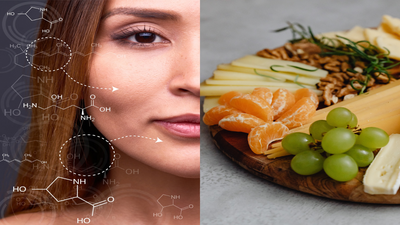
Are Brits Overdoing Collagen? Beauty Expert Lists Staple Foods That Don't Work (And What Actually Does)
Collagen has become one of the biggest wellness obsessions in recent years, with TikTok trends convincing millions that everyday foods like bone broth, chicken skin and tinned fish can boost collagen levels and transform their skin.
The hashtag #bonebroth alone has racked up over 155 million views, with influencers and celebrities sharing their collagen-boosting routines but according to beauty experts, many of these supposed collagen staples do not work the way people think.In an interview with the Times of India, Dr Kevin Hayavi, Medical Director and Managing Partner at Beverly Hills Physicians, a premier medical group offering comprehensive beauty and wellness services across Southern California, warned that the reality behind collagen consumption is far more complex than social media suggests.
With nearly 200 years of combined medical expertise across their team of board-certified specialists, Dr Hayavi shared the truth about which collagen strategies actually work and which are simply wasting your time and money.
The science behind collagen: Why popular foods don't work as expected
The truth is, collagen molecules found in foods do not magically convert into skin collagen. When you consume collagen-rich foods, your digestive system breaks them down into their basic building blocks, i.e.
amino acids. These amino acids then circulate through your bloodstream and get distributed wherever your body needs them most, which isn't necessarily your skin.
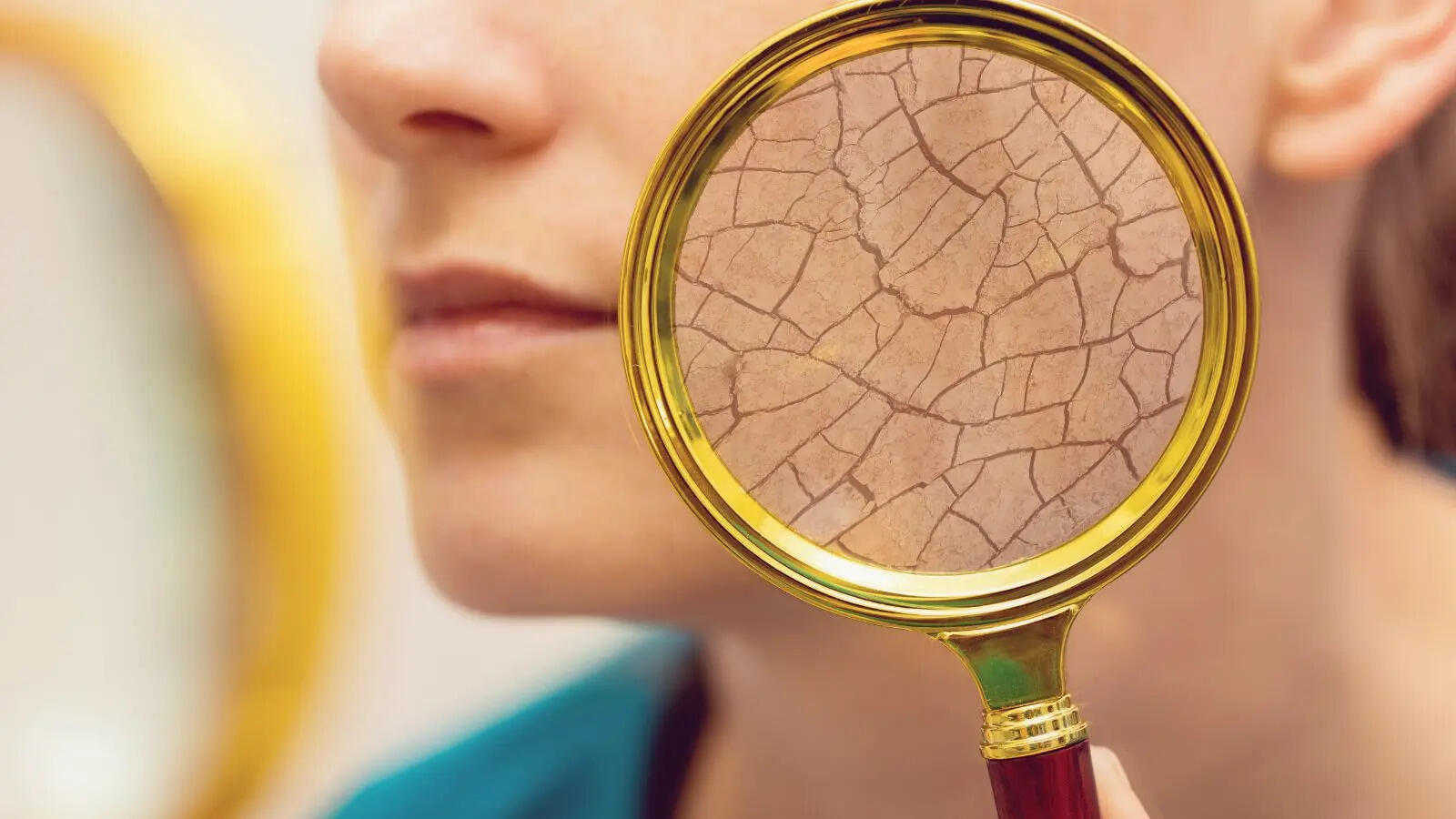
Beauty expert reveals that popular collagen-rich foods like bone broth and chicken skin don't convert directly into skin collagen as many believe
“Your body doesn't recognise ‘collagen’ as a complete unit when you eat it,” Dr Hayavi explained. “It sees amino acids and those amino acids could end up repairing muscle tissue, supporting organ function, or dozens of other processes. There's no direct pipeline from bone broth to your complexion.”According to a 2005 study published in the Journal of Agricultural and Food Chemistry, titled “Absorption of Collagen Hydrolysates and Their Effects on Skin”, ingested collagen is broken down during digestion rather than directly used by the skin. The authors noted, “Dietary collagen is degraded into amino acids and small peptides during digestion before being absorbed into the bloodstream.”
Popular collagen foods that don't deliver
According to Dr Hayavi, following foods have gained popularity for supposedly boosting collagen but don’t deliver the promised results:
- Bone Broth: Despite its massive popularity, bone broth isn't the miracle elixir many claim. While it does contain some collagen and amino acids, the amount that actually makes it through the digestive process is minimal. Plus, many shop-bought versions are loaded with salt and additives that can harm your skin by causing inflammation.
- Chicken Skin: Eating chicken skin won't give you plumper skin. It is more likely to contribute to weight gain and increased cholesterol. The collagen gets broken down just like any other protein, with no special benefit to your complexion.
- Stock Cubes and Gelatin Sweets: These highly processed products may technically contain collagen derivatives but they are packed with sodium, sugar and artificial ingredients that counteract any potential benefits.
- Tinned Fish: While tinned fish like sardines are excellent sources of omega-3s and protein, they are not the collagen powerhouses social media suggests. You would need to consume enormous quantities to see any benefit, which unfortunately means excessive mercury and sodium intake.
What actually works: Evidence-based collagen support
Collagen peptides may help but not by direct ‘skin transfer’. A 2019 research in the Journal of Drugs in Dermatology, “Oral Collagen Supplementation: A Systematic Review of Dermatological Applications”, showed some improvements in skin elasticity but clarified the mechanism is indirect.
It found, “Collagen supplementation appears to improve skin elasticity and hydration, though the effects are mediated through stimulation of dermal fibroblasts rather than direct collagen deposition.”
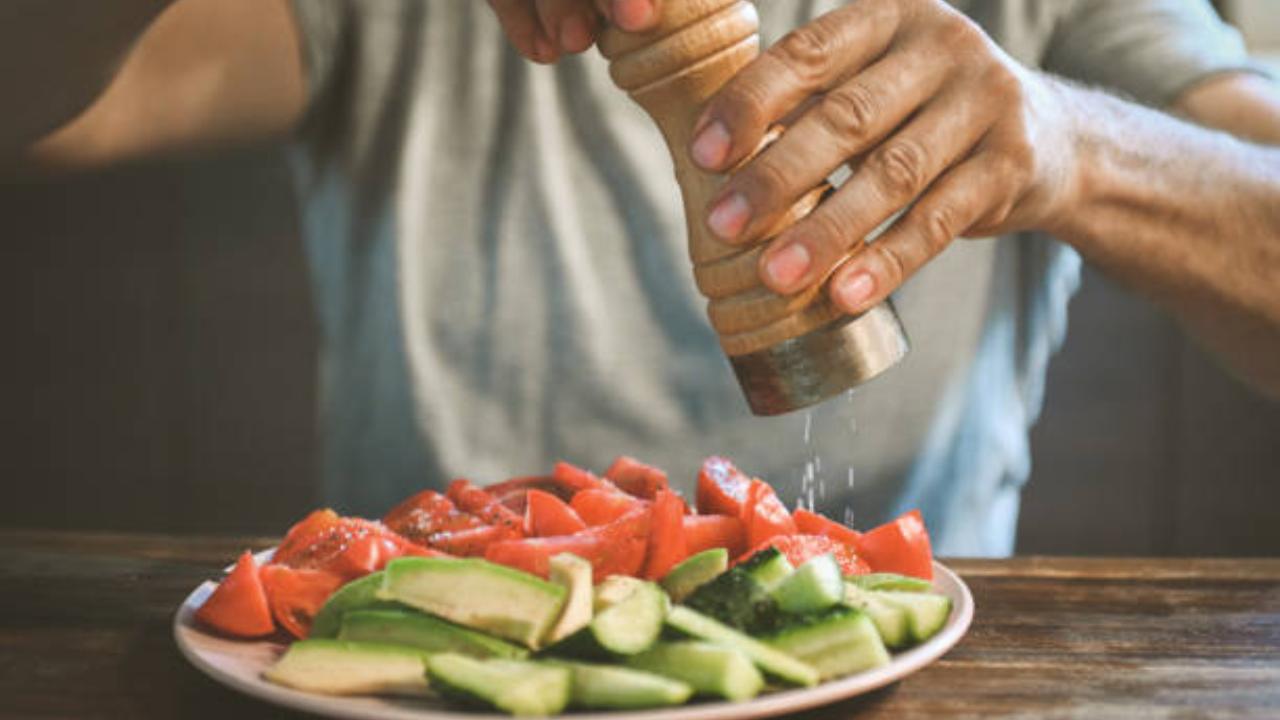
Beauty and skin expert urges people to focus on nutrient diversity and whole foods rather than following social media trends blindly.
Dr Hayavi emphasised that supporting your body's natural collagen production requires a holistic approach:
- Vitamin C: “Vitamin C is essential for collagen synthesis,” said Dr Hayavi. “Without adequate vitamin C, your body literally cannot produce collagen, no matter how much collagen-rich food you eat.” Focus on citrus fruits, berries, peppers and leafy greens. A 2000 landmark review in The American Journal of Clinical Nutrition (2000), “Vitamin C and Collagen Synthesis: Mechanisms and Implications”, confirmed the biological necessity of vitamin C and the researchers claimed, “Vitamin C is an essential cofactor for collagen synthesis, without which the body cannot form stable collagen molecules.”
- Balanced Protein Intake: Rather than fixating on collagen-specific proteins, ensure you are getting adequate protein from varied sources, such as lean meats, fish, eggs, legumes and dairy.
- Copper and Zinc: These trace minerals play vital roles in collagen formation. Find them in nuts, seeds, shellfish and whole grains.
- Antioxidant-Rich Foods: Antioxidants protect existing collagen from damage. Load up on berries, tomatoes, dark leafy greens and sweet potatoes for powerful antioxidant protection.
- Sun Protection: “UV damage is one of the biggest destroyers of collagen,” Dr Hayavi warned. “You can eat all the right foods, but if you're not protecting your skin from the sun, you're fighting a losing battle.” Daily SPF is non-negotiable.
- Quality Sleep: During deep sleep, your body ramps up collagen production. Consistently poor sleep directly impairs this natural process.
- Reduced Sugar Consumption: Excess sugar damages collagen through glycation, where sugar molecules bind to collagen fibers and make them stiff and weak. Cutting back on sugar protects your existing collagen more effectively than any trendy food can build new collagen.
Dr Hayavi concluded, “My advice is to focus on nutrient diversity rather than chasing individual ‘superfoods’.
No single food will transform your skin but a varied diet rich in vitamins, minerals and antioxidants will give your body everything it needs to produce collagen naturally. Pair your protein sources with vitamin C-rich foods at meals. This combination optimises collagen synthesis. For example, have berries with your morning yoghurt or peppers with your chicken dinner.
Prioritise whole foods over processed options whenever possible.
Your body recognises and uses nutrients from whole foods far more efficiently than from heavily processed alternatives. Stay hydrated, as water helps transport nutrients to your skin cells and keeps collagen fibers supple.”The bottom line is that diet and lifestyle habits matter far more than consuming specific collagen-heavy foods. It is about creating the right conditions for your body to produce and protect its own collagen.
Remember, consistency matters more than perfection. Small, sustainable changes in your daily routine will always outperform short-lived trends.Note: The information provided in this article is for educational purposes only and is not intended as medical advice. Always consult with a qualified healthcare professional before starting any new medication or treatment and before changing your diet or supplement regimen.









 English (US) ·