

 2 days ago
8
2 days ago
8
ARTICLE AD BOX
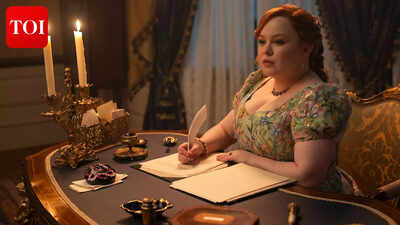
World War I love letters reveal a profound romance lost to modern dating. Soldiers penned heartfelt messages, their words crossing oceans with deep longing and hope. These handwritten testaments to enduring love, even amidst war, contrast sharply with today's fleeting digital interactions, urging a re-evaluation of what true romance means.
Romance, and the idea of it, has really died down. Love letters are a thing of the past, big gestures have vanished into thin air, and chivalry? It has simply left the chat. Before the ellipsis bubble, before the double-tap heart, before “u up?” there was the letter.
The deepest yearnings were reflected in every stroke of the pen; the endearments were carefully woven into the words. Each word carried longing and hope. The ink-stained handwritten envelope crossed oceans and trenches, arriving weeks late and still somehow perfectly on time.Romance wasn’t just about the one who wrote. It was about the one who waited—who kept watch every time the mailmen passed, who read the same passage a hundred times until the paper wore thin at the fold.
Today, we “ghost” texts. We “like” instead of love. We let it go instead of fighting for it. They wrote through war, and we block in a second.And if you still think opening the door, pulling out a chair, or drafting a note is cringe, maybe it’s time to revisit the 100-year-old love letters from World War I.
Jack, fighting in WWI, wrote, “I love you more than ever…”
In the muddy trenches of Belgium, Private John William “Jack” Mudd, a soldier fighting in the Battle of Passchendaele during the First World War, sat down to write what would become his final letter to his wife, Elizabeth (Lizzie).
Lizzie and their three children—Mary, John, and Ann—were back in Bow, London. In the letter, dated October 22, 1917, Jack poured his heart out, longing to be with his family.“Dear Lizzie, it’s nearly six months now since I saw you. How I long for you and the children. God bless you all. I love you more than ever…” he wrote, according to an Imperial War Museum archival letter.Jack continued, “Out here, dear, we’re all pals. What one hasn’t got, the other has.
We try to share each other’s troubles, get each other out of danger. You wouldn’t believe the humanity between men out here… We are expecting to go up again in 2 or 3 days, so dearest, pray hard for me… Well, darling, I don’t think I can say any more at present. Goodnight, love. God bless you and my children, and may He soon send me back to those I love, is the wish of your faithful husband xxxxxxxxx Jack.
”
Emily Chitticks to her fiancé, soldier Private William Martin: “With fondest love and kisses from your loving little girl.”
Emily Chitticks, betrothed to Private William Martin, poured her heart into a letter to him during World War I.
Unaware of the tragedy to come, Emily wrote to Will with love and hope, not knowing that the letter would reach him only after he had been killed in action. He served with the 2/1st Royal Devon Yeomanry in Essex and Norfolk (August–March 1916) and with the 8th Battalion Devonshire Regiment (20th Brigade, 7th Division) in France (from January 1917 until his death on March 27, 1917).
The heartbreaking letter is full of love.“My Dearest Will, I feel I must write you again, dear, although there is not much news to tell you. I wonder how you are getting on. I shall be so relieved to get a letter from you. I can’t help feeling a bit anxious, dear. I know how you must have felt, darling, when you did not get my letters for so long. Of course, I know, dear, you will write as soon as ever you can, but the time seems so dull and weary without any news of you. If only this war were over, dear, and we were together again.
It will be one day, I suppose,” she wrote.Her words revealed her worries, even though she tried her best to bury them. “Don’t think, dear, I am worrying unnecessarily about you, because I know God can take care of you wherever you are, and if it’s His will, darling, He will see you come back to me. That’s how I feel about it, dear, if we only put our trust in Him. I am sure He will.”She cared deeply about him and didn’t miss the chance to inquire about his health.
“How are your hands now, dear? Mine are very sore, so chapped, and my left hand has got several chilblains on it, and they do irritate. I could scratch it to bits. Have you been receiving the books I have sent you, dear? I am very pleased to say, dear, I am keeping very well indeed, and I trust you are the same,” she wrote.“Well, darling, I don’t know much more to say now, so will close with fondest love and kisses from your loving little girl, Emily.
P.S. Cheer up, darling, and don’t worry about me. I am quite all right, only anxious to get your letters. There is good news in the papers. Love from Mum and Dad,” she concluded.The heartfelt words in these letters haven’t faded—and won’t for a million years. Their longing and romance still burn. And if you still think your partner was “so busy” that he or she left you on read, well then, it might be time to analyze your idea of romance.




 English (US) ·