

 2 days ago
10
2 days ago
10
ARTICLE AD BOX
Last Updated:June 23, 2026, 14:20 IST
BJP’s greatest electoral advantage may not be the seats it wins directly, but the regional rivals that arrive at the next election weaker than they were five years earlier


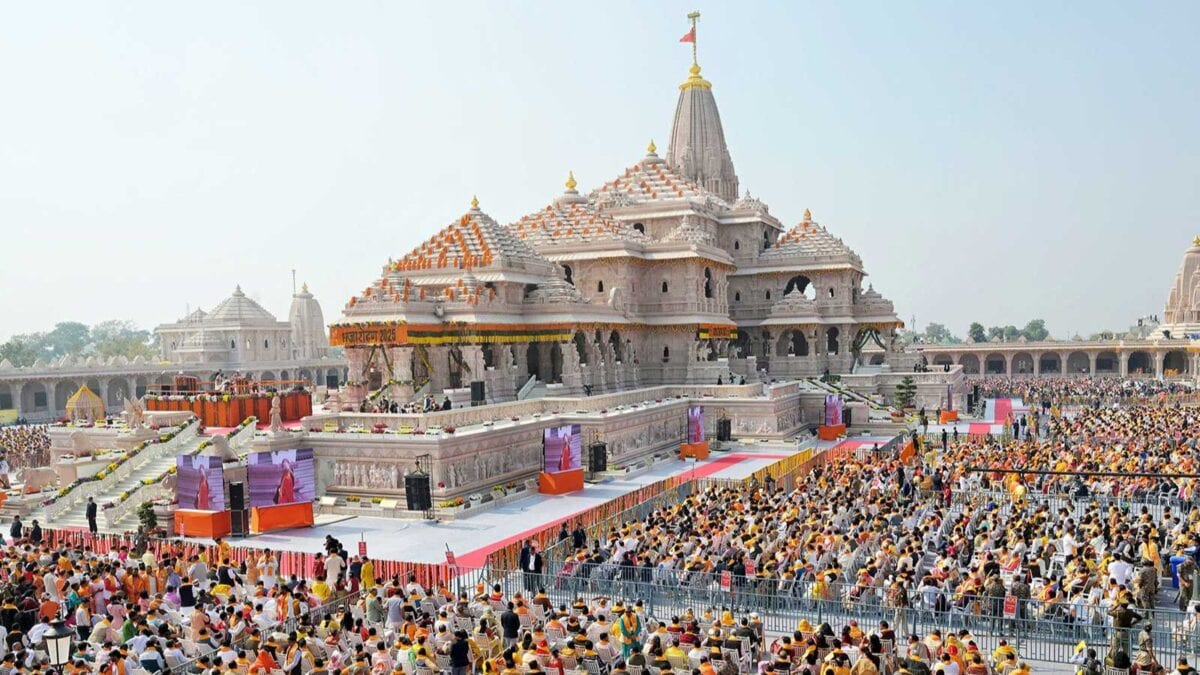
The coalition era that emerged after the decline of Congress was built on the rise of regional parties, but the political era taking shape before 2029 may be defined by their fragmentation. (AI-Generated Image)
The latest crisis within the Shiv Sena (UBT) has once again triggered a familiar accusation from the Opposition—the Bharatiya Janata Party (BJP)’s long-term political project is not merely to defeat regional parties, but to gradually weaken, divide and replace them.
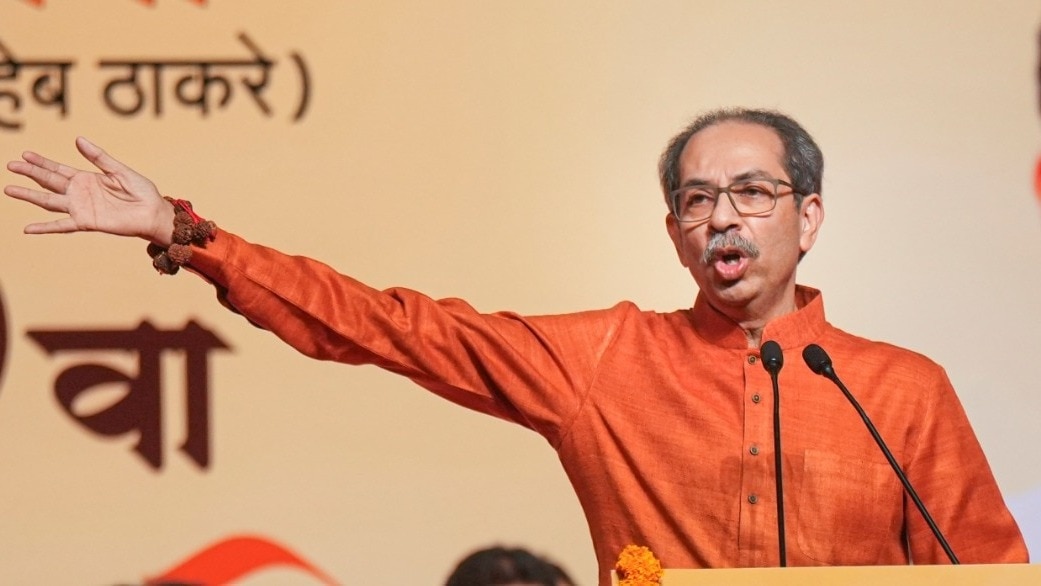
The charge resurfaced after fresh turbulence within Uddhav Thackeray’s camp, prompting Shiv Sena (UBT) MP Sanjay Raut to allege that BJP was pursuing a larger strategy ahead of the 2029 Lok Sabha election. “The BJP’s long-term plan is to finish off all regional parties before 2029," Raut claimed.
Whether one accepts that allegation or not, the political landscape of the past few years suggests that India’s regional parties are facing one of their toughest phases since the coalition era began in the 1990s. From the Shiv Sena and NCP in Maharashtra to the Trinamool Congress in West Bengal, several regional formations that once acted as formidable barriers to the BJP’s expansion have either fractured internally, suffered electoral setbacks, or seen their political space shrink.
The result could have profound implications for 2029.
From Coalition Era To BJP Era
For nearly three decades after 1989, regional parties were among the most powerful actors in Indian politics.
Parties such as the Shiv Sena, DMK, AIADMK, TMC, BJD, SP, BSP, JD(U), RJD and TDP often determined who governed in New Delhi. National governments depended on them, coalition arithmetic revolved around them and state identities increasingly shaped electoral outcomes.
ALSO READ | Sunset Of Satraps: A Modi-fied India Has Outgrown The Politics Of Fragmentation
The rise of regional parties reflected the growing assertion of linguistic, caste-based and state-specific political identities that challenged the dominance of national parties. That ecosystem, however, is under unprecedented pressure as the BJP expands beyond its traditional Hindi-heartland base.
The States BJP Has Already Breached
The BJP’s recent gains have not merely come at the Congress’s expense. They have come directly against regional parties that were once seen as politically impregnable.
In Odisha, the BJP ended Naveen Patnaik’s 24-year rule by defeating the Biju Janata Dal. In Delhi, it displaced the Aam Aadmi Party. In Maharashtra, splits within the Shiv Sena and Nationalist Congress Party fundamentally altered the state’s political balance.
If latest rumours are to be believed, five out of eight Nationalist Congress Party (SP) Lok Sabha MPs are considering an exit to join the Bharatiya Janata Party (BJP)-led National Democratic Alliance (NDA) in bad news for Sharad Pawar.
Indian Express, in an analysis of the BJP’s expansion, observed that “the BJP’s gains have increasingly come from regions where regional parties once enjoyed near-hegemonic control".
Why Splits Matter More Than Defeats
The Shiv Sena offers perhaps the clearest example.
The split between the Uddhav Thackeray and Eknath Shinde factions transformed Maharashtra’s politics. The subsequent division within the NCP between Sharad Pawar and Ajit Pawar further fragmented the opposition space.
ALSO READ | The Great Squeeze: How National Parties Are Shrinking Space For Regional Satraps
Writing for The Indian Express, political scientist Suhas Palshikar argued that the developments in Maharashtra were not isolated events. “The crisis of the Shiv Sena is not merely a crisis of one party; it points to the vulnerabilities that many regional parties face today," he wrote.
The significance of such splits goes beyond organisational damage. Once a regional party divides, its vote base, cadre structure and leadership often fragment as well. Even if both factions survive, the BJP benefits from a divided opposition.
The Trinamool Example
The phenomenon is not limited to Maharashtra.
Defections, internal dissension and the shrinking influence of powerful state leaders have affected several regional formations, including the Trinamool Congress. Many of these parties are increasingly forced to fight defensive battles in states where they once dictated political terms.
The weakening of regional parties has also complicated the Congress’s efforts to build a durable opposition coalition.
According to political analysts, the BJP’s success has often stemmed from its ability to isolate Congress from regional allies while simultaneously expanding into territories previously dominated by state-based parties.
The Opposition’s Charge
Opposition leaders argue that this trend is not entirely organic.
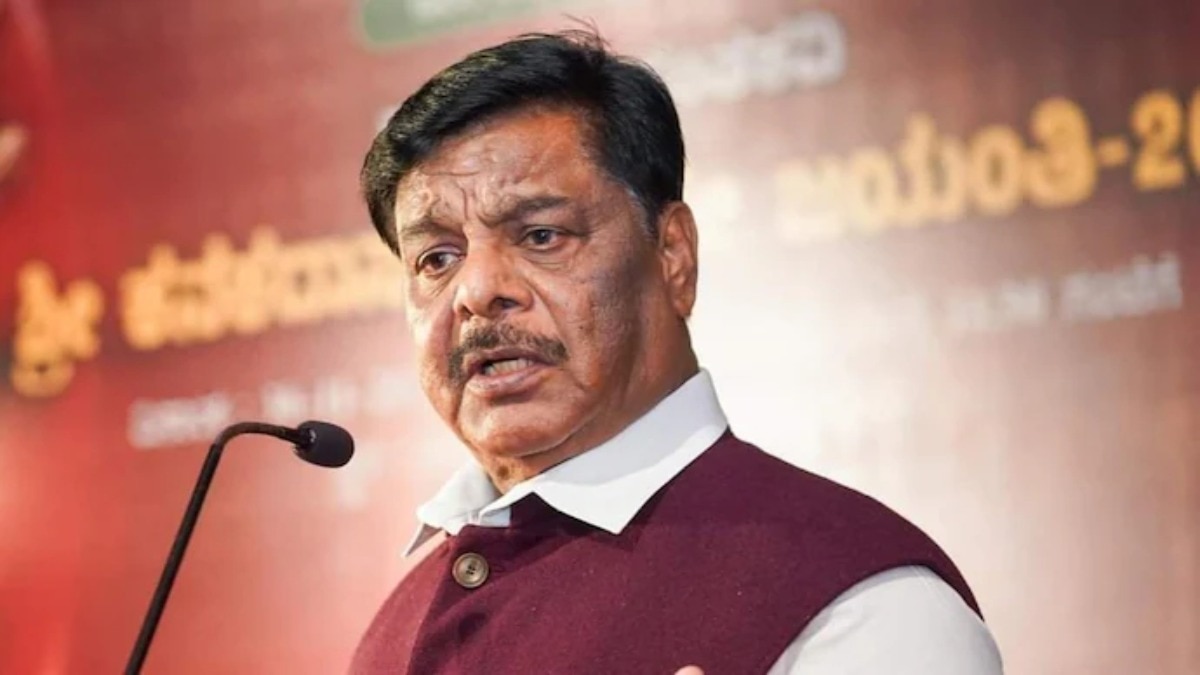
Apart from Raut, Telangana Congress chief Mahesh Kumar Goud recently alleged that the BJP was systematically targeting regional parties across the country. “The BJP’s strategy is to weaken regional parties and create a political vacuum," Goud said. Similar accusations have surfaced repeatedly from opposition leaders in Maharashtra, West Bengal and Telangana.
The BJP, however, rejects such claims and argues that electoral success reflects voter preference rather than political engineering.
A Deeper Ideological Shift?
Some analysts believe the story goes beyond elections.
Writing in The Indian Express, journalist Vikas Pathak argued that the BJP’s advance against regional forces represents a broader ideological transformation. “The more the BJP does well against regional forces, the more the state appears unitary and driven by a single impulse. The victory is not of the BJP alone but of the Jana Sangh-BJP’s foundational idea of ‘one nation, one culture’," Pathak wrote.
If that assessment is correct, the challenge facing regional parties is not merely organisational but existential.
For decades, they thrived by presenting themselves as protectors of local identity against centralisation. But if voters increasingly prioritise national narratives over regional ones, the core appeal of many state-based parties could weaken.
Why This Could Help BJP In 2029
The BJP stands to gain from the decline of regional parties in three important ways.
First, it reduces the number of powerful state leaders capable of resisting the party’s expansion. Second, splits create multiple claimants to the same anti-BJP vote bank, often benefiting the BJP in first-past-the-post contests.
Third, the weakening of regional parties leaves the Congress carrying a larger share of the opposition burden, something that has historically benefited the BJP in direct contests.
An analyst quoted by The Times of India noted that the erosion of regional parties could mark the beginning of “a new phase" in Indian politics, one in which the BJP increasingly competes not against a network of powerful state satraps but against a fragmented opposition.
The Road To 2029
While regional parties are far from extinct, the pattern is becoming difficult to ignore.
The coalition era that emerged after the decline of Congress was built on the rise of regional parties, but the political era taking shape before 2029 may be defined by their fragmentation.
And if that continues, the BJP’s greatest electoral advantage may not be the seats it wins directly, but the regional rivals that arrive at the next election weaker than they were five years earlier.
Handpicked stories, in your inbox
A newsletter with the best of our journalism
About the Author
Apoorva Misra is a News Editor at News18.com with a keen interest in politics and current affairs. She loves uncovering fresh angles and telling stories through long-form features and explainers. Foll...Read More
News explainers Beyond Shiv Sena: How Splintering Regional Parties Could Benefit BJP In 2029
Disclaimer: Comments reflect users’ views, not News18’s. Please keep discussions respectful and constructive. Abusive, defamatory, or illegal comments will be removed. News18 may disable any comment at its discretion. By posting, you agree to our Terms of Use and Privacy Policy.
Read More





 English (US) ·