

 1 hour ago
6
1 hour ago
6
ARTICLE AD BOX

Tired of dust? Forget expensive purifiers! Experts reveal simple, effective methods to combat airborne particles. Embrace damp cloths and fresh air to trap and remove dust, preventing it from recirculating. Image Credits: Google Gemini
As you step into an illuminated room, there is one thing that catches your attention, but you might prefer not to see: a subtle layer of dust particles floating in the air. Your immediate reaction may be to head to the store and purchase an expensive air purifier in hopes of fixing the problem.
But there is no need for fancy equipment to rid your surroundings of dust; what you need to do is understand the nature of dust movement and accumulation.Dust is more than unsightly; it’s a blend of dead skin cells, outdoor soil, dander from your pets, and trace elements of chemicals left behind from household items. Dust accumulation is like a bank of allergens that will fly up with each bounce of your feet or each time you plop down on your couch.
You can’t clean better; you need to think better about how to interrupt the process.The secret to cleaning is using the damp rag and fresh airThe number one mistake people make when they’re cleaning their homes is using instruments that simply move dust around. Reach for a feather duster or dry mop, and you could end up making things worse. With dry tools, dust particles become airborne and settle on shelves again in a few hours.
To pick up dust, you need to trap it first.In this regard, the public health experts at the Centers for Disease Control have suggested switching to wet cleaning techniques. Using a moistened microfiber cloth or employing a wetted mop will help keep the dust from becoming airborne, thus preventing dust from getting aerosolised. In this context, the process of "trap and removal" is the best technique to achieve true cleanliness. Microfiber technology is particularly useful in this regard, as its tiny fibres allow it to collect very small particulates that could otherwise escape cotton wipes.Do not forget to open the window while cleaning. While we often see nature as dirty, it turns out that the air inside is dirtier than the outside air. As recommended in the guidance by the CDC, opening the window or using an exhaust fan allows old air full of dust to be vented. Opening two different windows to create a breeze will act as a natural air vacuum cleaner.
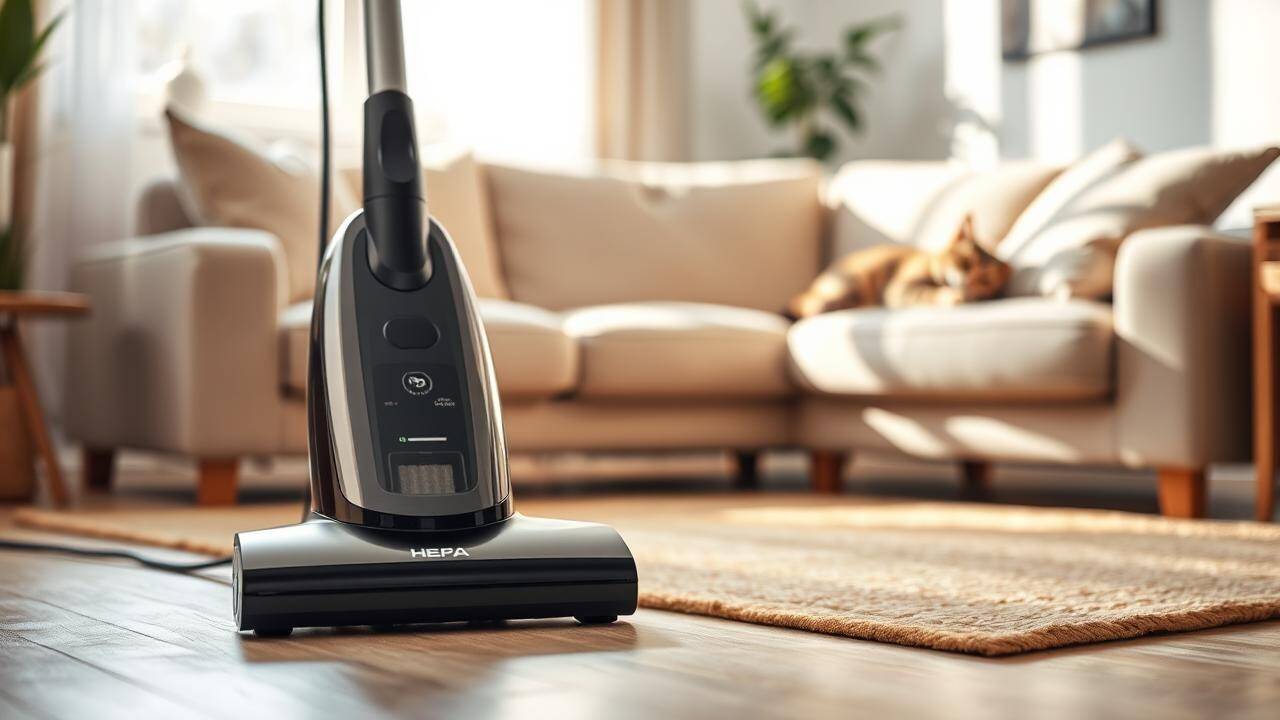
Control dust sources like carpets and clutter by washing bedding regularly and using a HEPA vacuum. A clean home is achievable with smart cleaning habits.
Controlling fabric holders and dust sourcesShould there be dust lingering even after thorough cleaning, there must be a hidden source of dust. Carpets, drapes, and upholstered furniture tend to attract dust as they have high surface areas and act as magnets for dust. Since we spend about a third of our days in bedrooms, the bedroom is the most common dust source. According to research titled Allergen Avoidance in Allergic Asthma, fabrics serve as the most common dust traps and sources.Apply source control measures in order to maintain these places under control. It is advisable that weekly hot water washing be done on bedding items and that pillow and mattress covers that can be washed should be selected, so as to reduce dust mites. In case the carpets are fitted in your house, it is imperative that utmost caution be exercised while selecting the vacuum cleaner. According to the EPA guidelines, a sealed HEPA (high-efficiency particulate air) vacuum should be chosen, which is capable of collecting about 99.97 per cent of fine particles.Beyond fabrics, look at the items that contribute to the "dust load." Clutter is a major offender because it creates still air pockets where dust can settle undisturbed. By storing loose items in closed bins and keeping horizontal surfaces clear, you make it much harder for dust to find a permanent home. It is also worth looking at the chemicals in your home. It is found that many everyday items contribute to the chemical makeup of the dust we breathe.
Reducing the use of heavy fragrances and keeping food sealed tightly to prevent pests will further ensure that the dust in your home is kept to a minimum.It is not about trying to convert your entire living space into some type of sterile lab free from dust. Instead, it involves forming an effective system of cleaning practices that tackles the problem at its root. This involves wiping down surfaces using damp cloths rather than dry ones, ensuring that there is no leakage in your vacuum cleaner, and opening up windows to allow some fresh air in.








 English (US) ·