

 3 days ago
5
3 days ago
5
ARTICLE AD BOX

उद्धरेदात्मनाऽत्मानं नात्मानमवसादयेत्।आत्मैव ह्यात्मनो बन्धुरात्मैव रिपुरात्मनः॥Bhagavad Gita 6.5Translation“One must elevate oneself by one’s own mind and not degrade oneself. The mind alone is the friend of the self, and the mind alone is the enemy of the self.”
The quiet battle between comfort and discipline
Every person knows the moment. The alarm rings early in the morning and the bed feels warmer than ambition. The gym shoes remain by the door while the couch quietly wins the argument. A task that demands focus waits on the desk, yet the mind drifts toward easy distractions. The struggle between discipline and comfort is not dramatic. It is subtle. It unfolds in small decisions that seem harmless in the moment but powerful over time.The Bhagavad Gita addresses this inner conflict with striking clarity in this verse. Rather than blaming circumstances, fate, or other people, the Gita places the responsibility squarely within the individual. According to Krishna’s teaching, the greatest ally and the greatest obstacle both live within the same place: the human mind.
The mind as friend or enemy
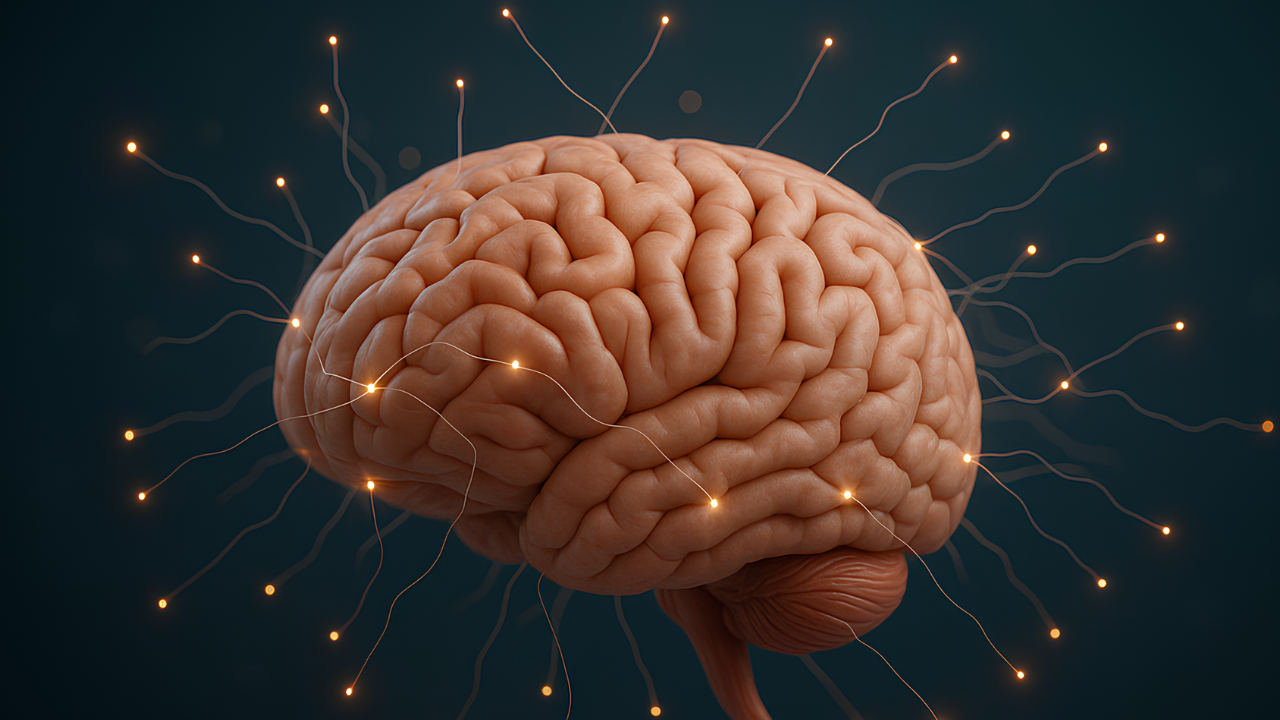
The verse begins with a powerful instruction: “One must elevate oneself by one’s own mind.”
This idea carries a radical implication. Progress is not granted from outside; it is cultivated from within. The mind has the power to lift a person toward discipline, purpose, and growth. But if left uncontrolled, the same mind can quietly drag a person toward laziness, procrastination, and regret.Think of the mind as a tool with extraordinary influence, when trained it becomes a supportive companion that reminds you of your goals.
It nudges you to wake up when comfort whispers “sleep more.” It encourages patience when effort feels exhausting. But when the mind remains undisciplined, it begins to justify every temptation. It finds clever excuses: You deserve a break today. You can start tomorrow. One delay will not matter.Over time, those small permissions accumulate, slowly weakening the path of discipline. This is why the Gita describes the mind in such stark terms, it can become either a loyal friend or a silent enemy.
Discipline is self-respect in action
The deeper insight in this verse is that discipline is not punishment. It is a form of self-respect. When someone chooses discipline they are not denying comfort simply for the sake of hardship. They are choosing long-term growth over short-term pleasure. They are honouring their own potential.

A disciplined mind does something remarkable:
- It aligns daily actions with deeper intentions.
- It reminds a student to study when entertainment feels easier.
- It encourages a professional to finish work when distraction appears tempting, allowing them to recognise the value of focus.It pushes an athlete to practice when the body prefers rest.
Each act of discipline is a quiet vote for the future self.
The real giveaway: Discipline is built in small moments
One of the most important insights hidden in this verse is that self-mastery does not arrive through dramatic transformation.
It grows when a person gradually learns to organise the mind through small, consistent victories over distraction and impulse.The decision to wake up on time, the choice to finish a difficult task, the discipline to focus when the phone calls for attention. These moments may appear ordinary, but they shape character. Over weeks and months, the mind begins to change. What once required force slowly becomes habit. Discipline stops feeling like struggle and starts feeling like an identity.
This is the transformation the Gita points toward.
A practical way to apply this verse today
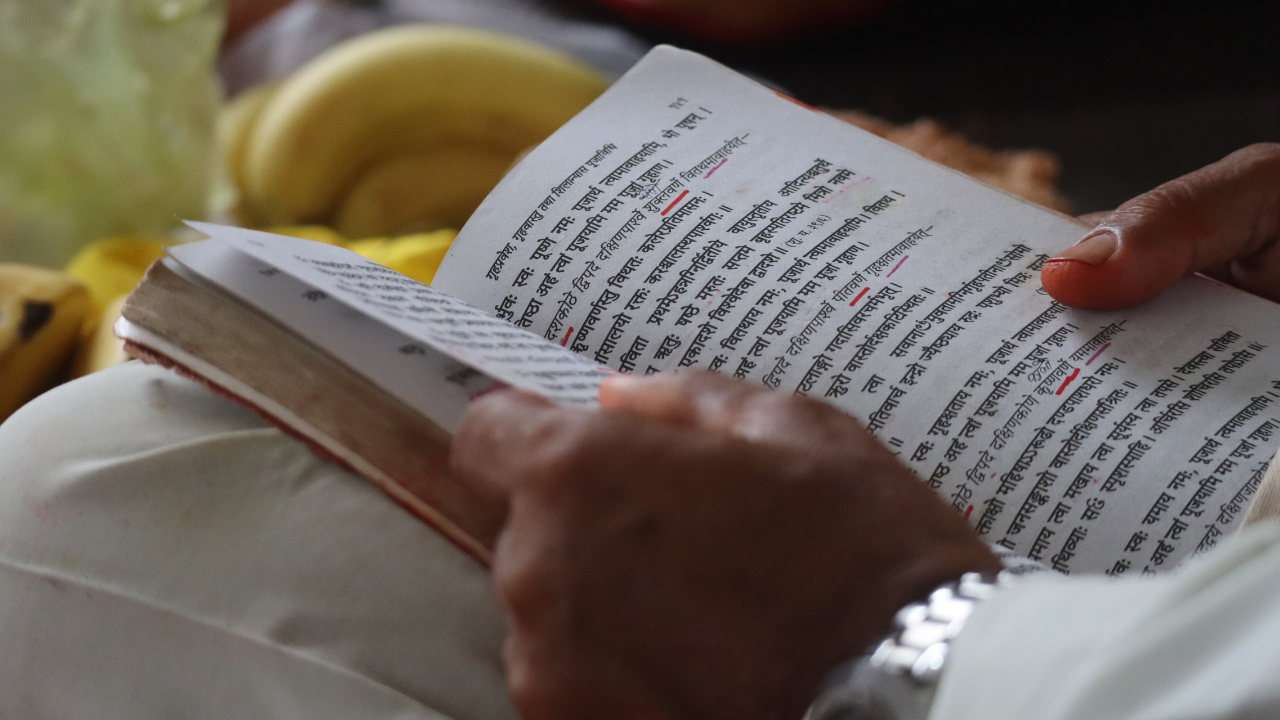
When comfort begins to tempt you today, pause for a moment and remember the essence of this shloka: your mind is capable of lifting you higher than any external motivation.Ask yourself a simple question: is your mind acting as a friend or an enemy right now? Even recognising the answer is the first step toward discipline. The Gita reminds us that greatness rarely comes from sudden inspiration; it grows quietly through steady self-guidance.









 English (US) ·