

 1 hour ago
5
1 hour ago
5
ARTICLE AD BOX
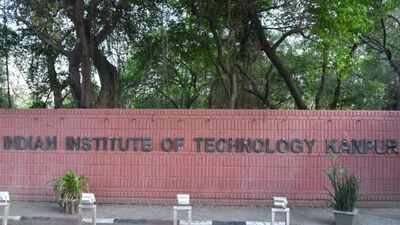
Scientists at IIT Kanpur have uncovered how a little-understood immune system receptor works, solving a question that has puzzled researchers for years and helping improve medicine targeting.The study, led by Professor Arun K Shukla, focused on a receptor called C5aR2, which plays a role in the body's immune response. While a similar receptor known as C5aR1 has been studied in detail, scientists have struggled to understand why C5aR2 behaves differently despite appearing closely related.The body's complement system acts as one of the first lines of defence against infections caused by bacteria and viruses.
As part of this process, certain proteins trigger inflammation to help the body fight infection. These proteins activate receptors found on immune cells, including C5aR1 and C5aR2.According to the researchers, C5aR1 follows the usual signalling process inside cells. However, C5aR2 uses a different pathway, and the reason behind this difference was not clear until now.Using cryogenic-electron microscopy (cryo-EM), the IIT Kanpur team was able to study the receptor in detail.
They found that while the outer part of C5aR2 looks very similar to C5aR1, the inner part of the receptor has a different structure. Because of this, C5aR2 cannot communicate through the same signalling route used by C5aR1 and many other receptors. Instead, it uses alternative pathways inside cells.Based on these findings, the researchers developed a new molecule called R8Y. The molecule selectively targets C5aR2 and does not attach to C5aR1.
Scientists say this could help them better understand the distinct roles of the two receptors and support the development of more precise medicines in the future.The team plans to test the molecule in animal models as the next step towards developing safer and more effective treatments.The study involved researchers from Professor Shukla's laboratory, including Divyanshu Tiwari, Annu Dalal, Sudha Mishra, Manish Yadav, Nabarun Roy, Manisankar Ganguly, Nilanjana Banerjee and Dr Ramanuj Banerjee.
The research was carried out in collaboration with The University of Queensland, the University of Tokyo and Kyoto University.The work was supported by the Department of Biotechnology (DBT), Wellcome Trust India Alliance, Anusandhan National Research Foundation (ANRF), Department of Science and Technology (DST), Indian Council of Medical Research (ICMR) and IIT Kanpur.







 English (US) ·