

 59 minutes ago
7
59 minutes ago
7

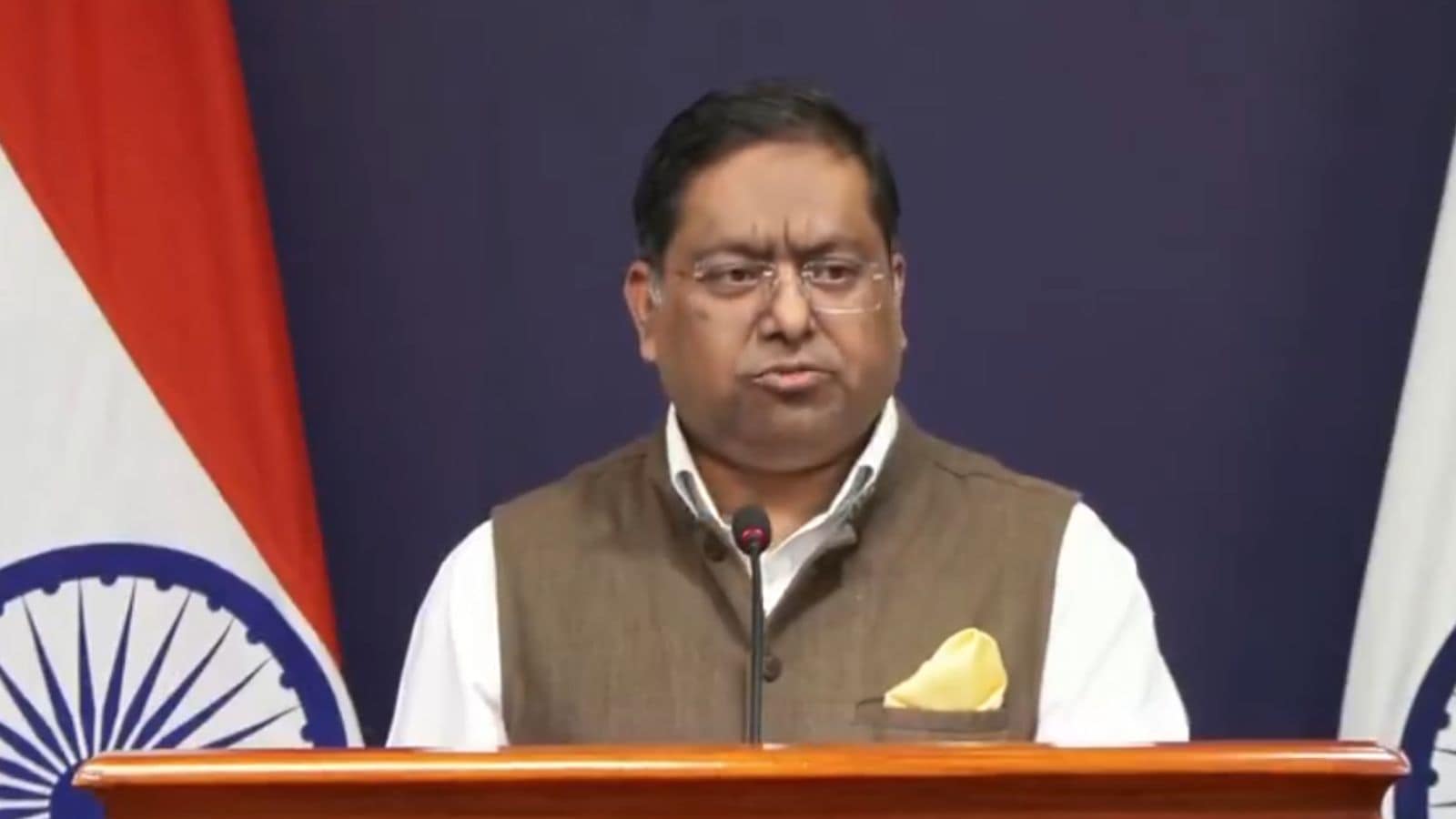
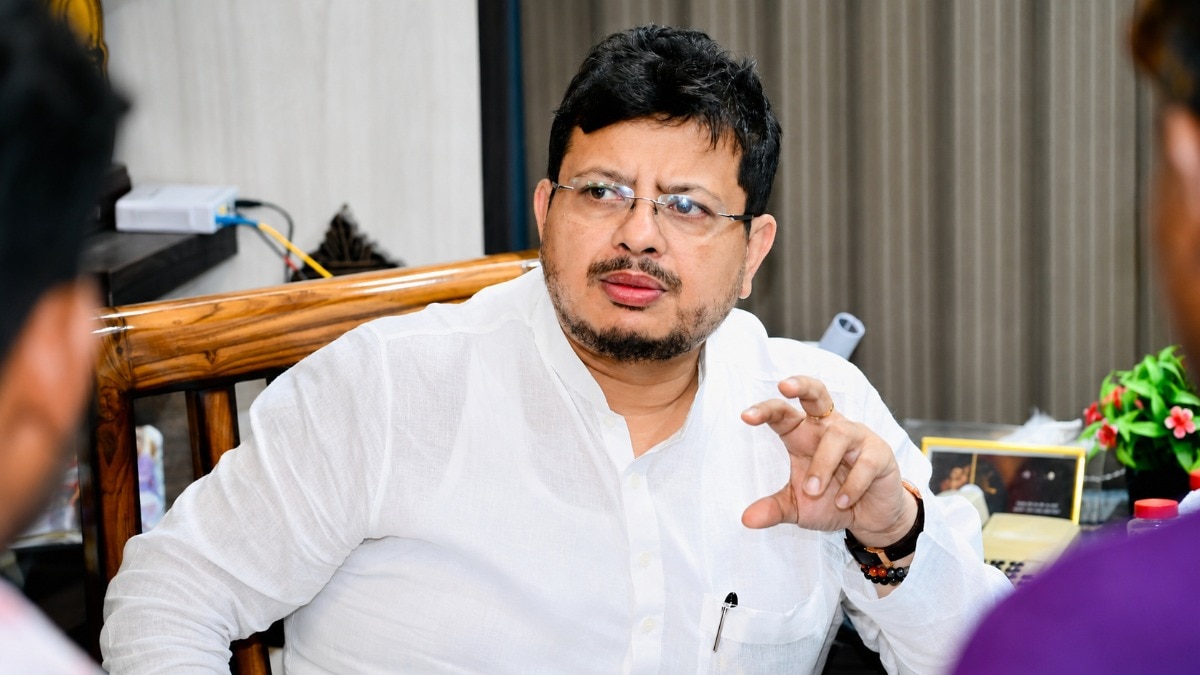
Karnataka Biodiversity Board chairman Vadnal Jagadish on Friday directed officials to ensure the immediate formation of Biodiversity Management Committees (BMCs) in all taluks and warned of legal action against those failing to comply with the provisions of the Biodiversity Act.
Presiding over a meeting on biodiversity conservation and Biodiversity Management Committees at the Deputy Commissioner’s office in Mysuru, Mr. Jagadish said taluk panchayat executive officers play a crucial role in biodiversity management and are responsible for establishing BMCs in their respective jurisdictions.
“Every taluk must have a functioning Biodiversity Management Committee. Executive officers must take responsibility and constitute the committees without delay. Legal action will be taken against those who fail to follow the rules,” he warned.
Stressing the need to preserve natural resources for future generations, Mr. Jagadish said the present generation has benefited from environmental resources and is responsible for passing on a healthy ecosystem to posterity. “Our ancestors enjoyed a cleaner and healthier environment than what we see today. Protecting the environment and handing it over safely to future generations is our collective duty,” he argued.
He noted that biodiversity extends beyond medicinal plants and wildlife and encompasses every aspect of life, from the air people breathe to the food they consume. No one has the right to destroy plants and animals in nature, he added.
On the structure of BMCs at the gram panchayat level, Mr. Jagadish said the panchayat president would serve as the committee chairperson, while the panchayat development officer (PDO) would function as secretary. The committees would include local environmental enthusiasts, Ayurveda practitioners, and social workers, among others.
He called for close coordination between BMCs and the Forest Department to curb illegal activities such as tree felling and the smuggling of forest produce. With limited forest staff, local committees can act as the department’s eyes and ears at the grassroots level, he said.
Mr. Jagadish also expressed concern over sewage entering Lingambudhi Lake in Mysuru and stressed the need for immediate measures to prevent pollution. He also called for the protection of the forest wealth on Chamundi Hills.
Preetham, a researcher with the Karnataka Biodiversity Board, said preparation of People’s Biodiversity Registers (PBRs) remains one of the Board’s key objectives. The registers document local flora, fauna, traditional knowledge holders, and medicinal practices prevalent in villages.
He noted that Karnataka possesses vast medicinal plant wealth and that nearly 40% of the Western Ghats lies within the State. Under Section 37 of the Biodiversity Act, ecologically significant areas can be notified as Biodiversity Heritage Sites, and Karnataka currently has five such notified sites.
Additional Deputy Commissioner R. Aishwarya highlighted the importance of documenting traditional knowledge and biodiversity resources under the Biodiversity Act and ensuring their conservation for future generations.
Deputy Conservator of Forests Parameshwar, the planning officers from all taluks of Mysuru district, and other officials attended the meeting.






 English (US) ·