

 57 minutes ago
7
57 minutes ago
7
ARTICLE AD BOX
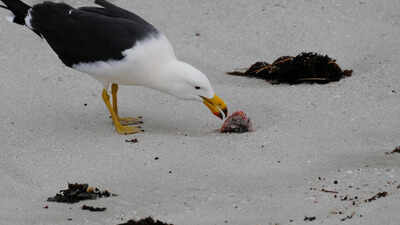
For years, Australia was the only continent where the highly dangerous H5N1 bird flu hadn’t turned up. But that record holds no longer. That status changed this month when authorities found the virus in wild birds along remote beaches in Western and South Australia, breaking the island continent’s long streak as a bird flu holdout.And now, there’s a full-scale biosecurity push after the discovery of infected migratory seabirds on remote beaches in Western Australia and South Australia, as experts worry about what happens next — for wildlife, the poultry industry, and pet owners. While human risk is still considered low for now, anyone with cats or dogs is being asked to pay attention as Australia steps onto the front lines of this global outbreak.
How did bird flu reach Australia, ‘the last continent’?
This is the same H5N1 avian influenza that’s been causing chaos everywhere else since 2020. It’s moved across Asia, Europe, Africa, the Americas, even Antarctica, wiping out birds, damaging farming, and infecting a wider range of mammals than ever before.For years, Australia’s isolation and strict rules kept the virus out. But experts always figured it would arrive sooner or later, carried by migratory seabirds making epic journeys across the ocean.
That’s exactly what happened.Per ABC News, a brown skua tested positive for H5N1 after being found on remote beaches in Western Australia. Then a northern giant petrel tested positive after turning up dead on remote Aussie beaches. More cases followed on the southern coast, all tied to migratory birds.As per scientists, the virus's arrival in Australia is particularly concerning because this continent is home to unique wildlife found nowhere else on Earth.
Approximately half of Australia's bird species and nearly 87% of its land mammals are endemic, which means a major outbreak could have consequences far beyond the country's borders.
Bird flu in Australia: Why does it matter?
This isn’t just a chicken disease anymore. Globally, H5N1 has jumped to dozens of wild animals like seals, sea lions, foxes, you name it. It’s triggered some ugly wildlife die-offs, including in Antarctica and South America.Australia is in a uniquely risky spot in that regard. Half its birds and nearly 90% of mammals live nowhere else in the world.
Australian authorities have identified more than 150 bird species and over 10 mammal species that could be highly vulnerable if the virus triggers havoc in local wildlife populations. In fact, conservationists fear if bird flu spreads among native wildlife, it could wipe out species conservationists have spent decades working to save — think Tasmanian devils and other rare animals.On the agricultural side, bird flu could hammer the billions of dollars Australia makes from poultry.
But the danger is real.
Should pet owners worry?
For most people, the big question is: Do my pets face a risk?According to veterinary and public health experts, the risk remains relatively low, but it is not zero. Per them, cats are the most susceptible, but dogs can get infected, too — usually by eating or sniffing dead wildlife, raw poultry, or unpasteurized milk from infected animals. Early signs in pets can include fever, acting tired, breathing problems, loss of appetite, or even seizures and coordination trouble.
These cases are rare, but they can be serious.What’s even more important to keep in mind is that there isn’t any approved vaccine for H5N1 in Aussie cats or dogs. So, avoiding exposure is the best bet.
How can you protect your animals?
Health authorities recommend a number of simple precautions as Australia monitors the outbreak, but it’s mostly about instincts about your pets. For example, don’t let pets mess with sick or dead birds. If you’re in a high-risk area, keep cats indoors and leash dogs so they don’t go snuffling wildlife or carcasses.
Skip feeding raw poultry or unpasteurized milk. And always wash your hands after handling anything related to birds or wild animals.If you spot dead or sick birds, don’t touch them in order to inspect them yourself. Rather, report it to the authorities; they’ve already had hundreds of calls as they ramp up tracking and response.Australia’s spent years preparing for this moment, so defenses are up, and officials are on the case. But the next six to twelve months will be critical. With thousands of migratory birds coming and going, and the virus now in the mix, Australia’s fight against one of the world’s toughest animal diseases is just getting started.









 English (US) ·