

 1 hour ago
5
1 hour ago
5
ARTICLE AD BOX
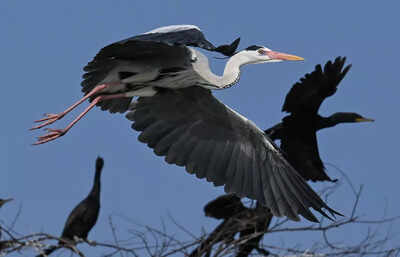
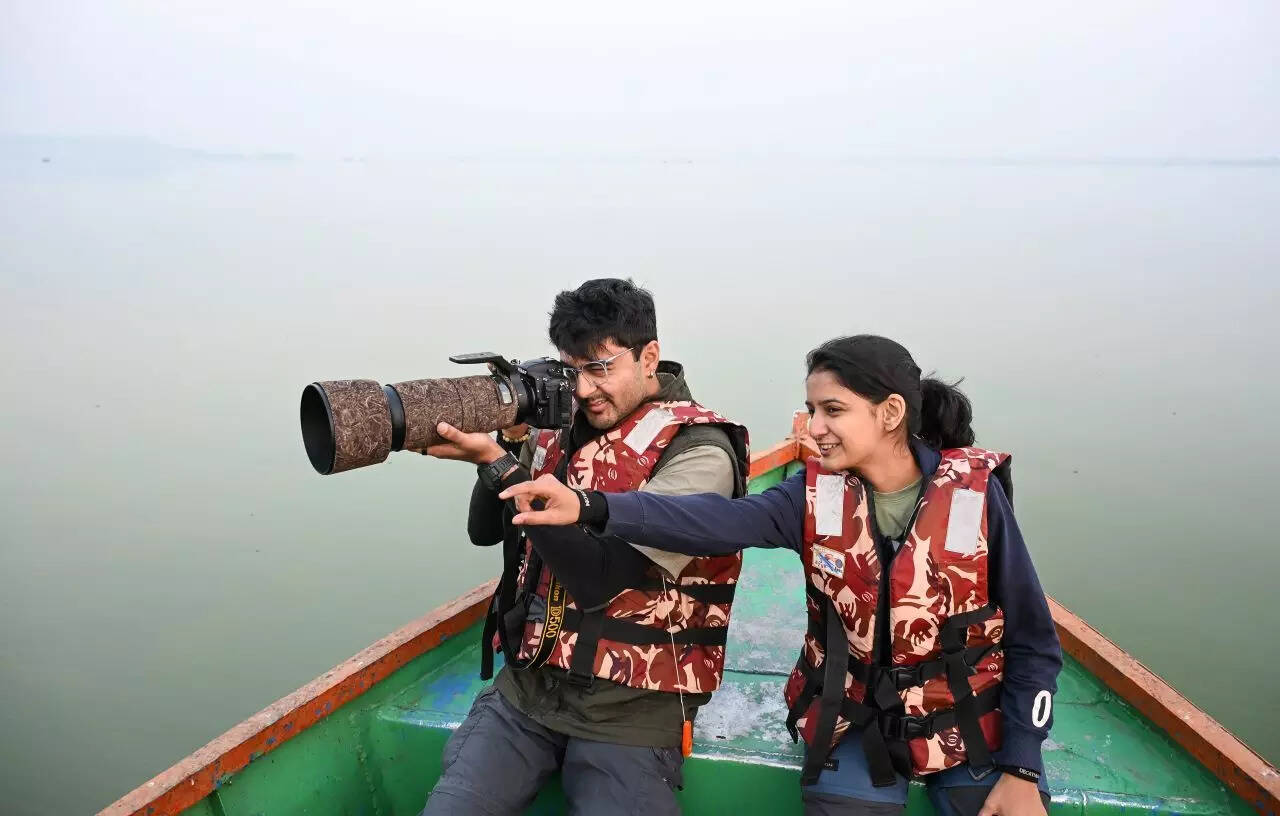
At the break of dawn, while most of the city is asleep, bird watchers are up already and excited for an early morning drive. Where? To Bhigwan, about 100 kms away. Why? To catch a glimpse of the numerous species of migratory birds that fly to the Bhigwan Bird Sanctuary.
(Photo Jignesh Mistry)
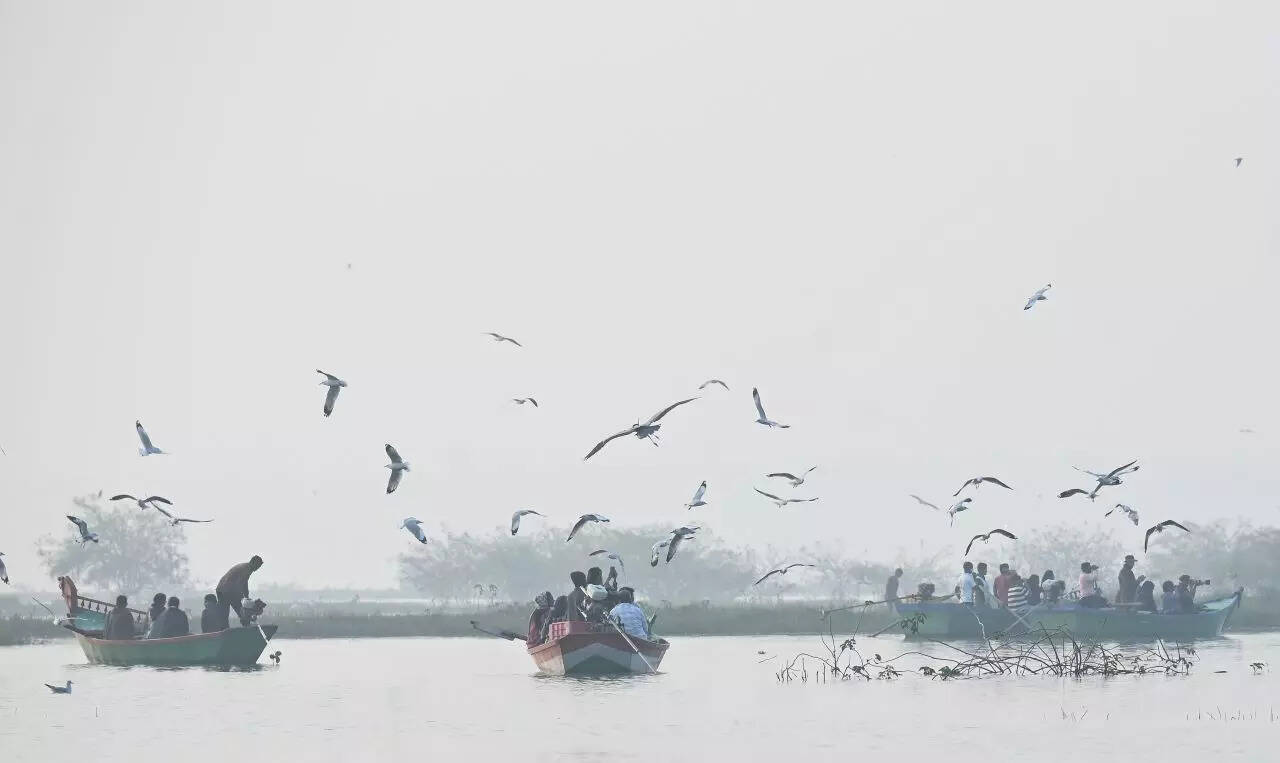
The Bhigwan wetlands transform into a bird-watcher’s paradise between December to March. As you reach the destination, the air is misty, the water is cold, and for a few moments, there is only silence. As the boat engine turns off, the quiet breaks into a chorus of bird calls. Over 250 migratory bird species arrive at the wetlands every year. Umesh Saste, a boat rider who also runs a cottage by the backwaters, shares, “People come from all over India to Bhigwan every year.
Some camp for weeks waiting for a single sighting. Others fly in the moment they learn of a rare arrival, especially the flamingos for which Bhigwan is famous.” The flamingos haven’t flocked to Bhigwan yet but bird-watchers expect them to start appearing in the next couple of weeks.
(Photo Jignesh Mistry)
(Photo Jignesh Mistry)
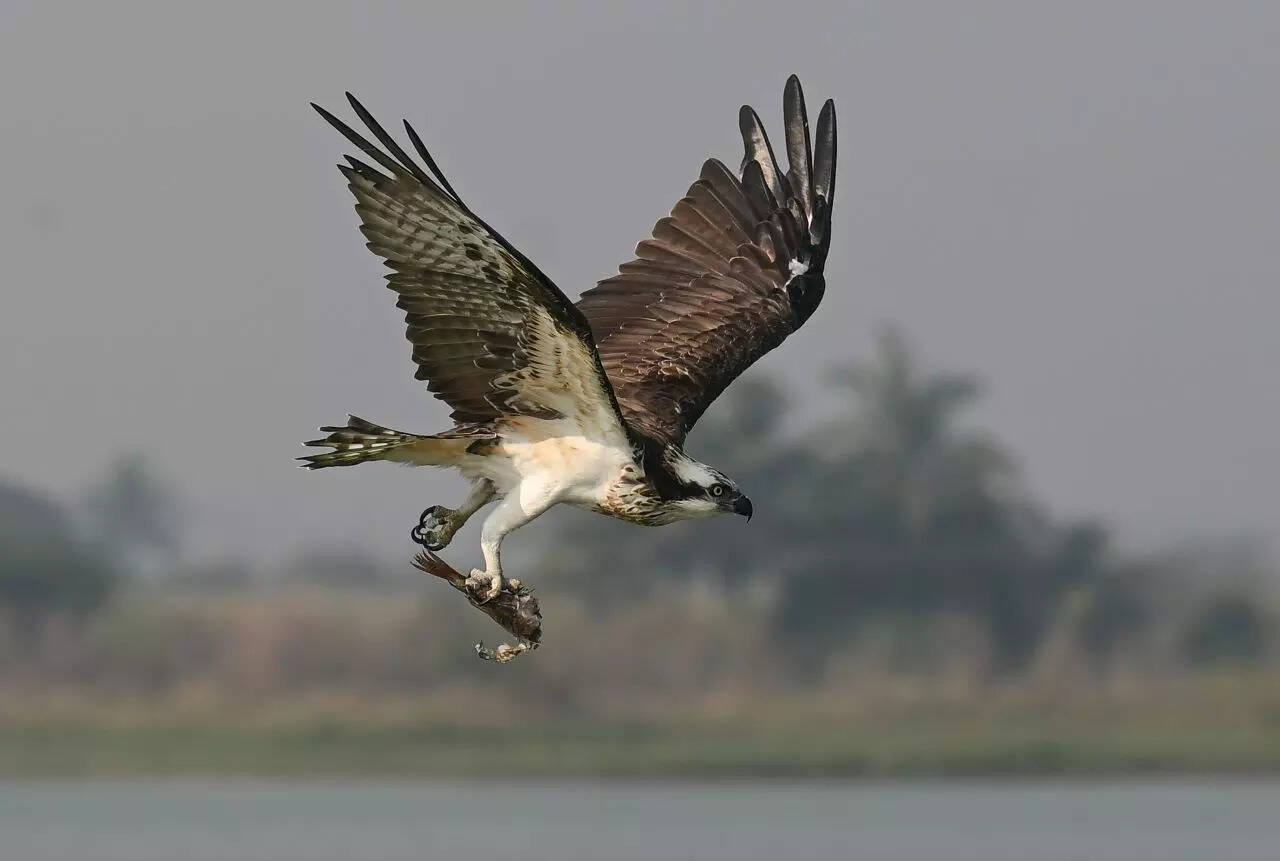
(Photo Jignesh Mistry)
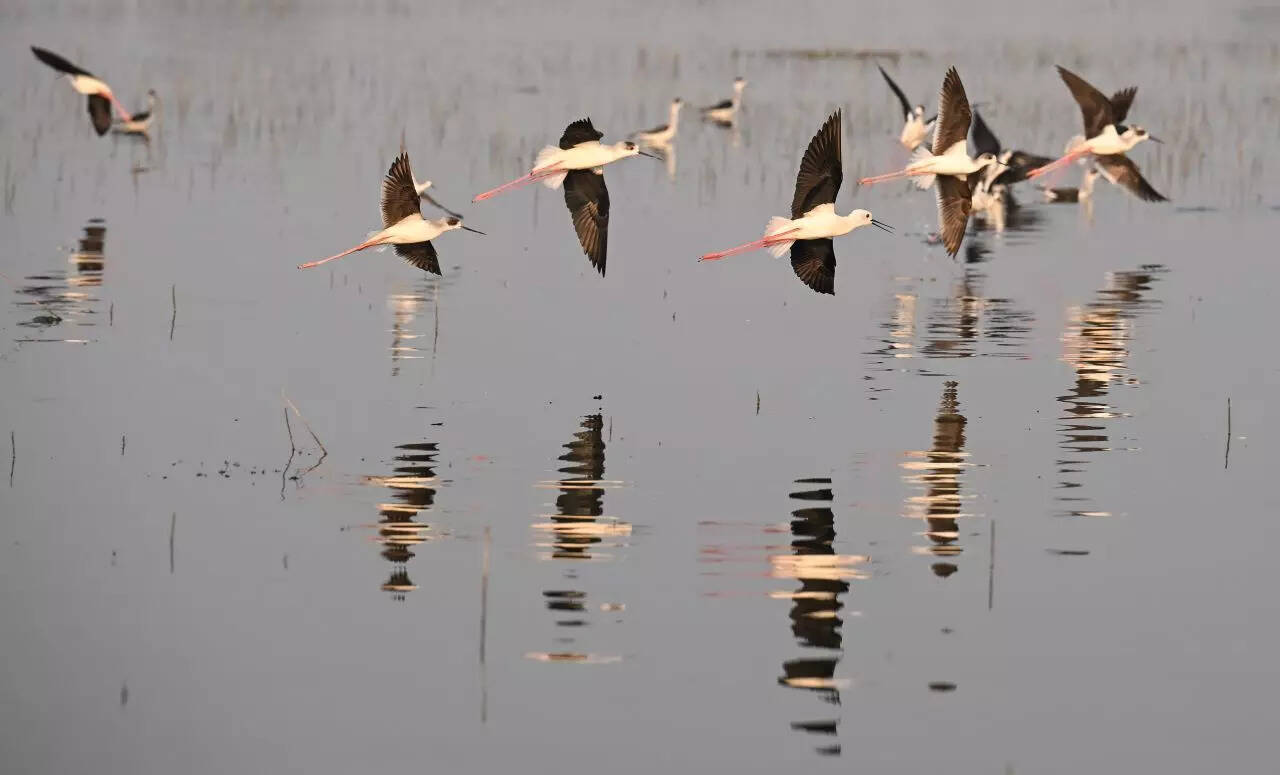
You will see brown-headed gulls above your head while a grey heron lifts itself into a slow, elegant flight. Black cormorants sit basking in the early sunrays, unbothered by your presence.
And just when the scene feels meditative, a Greater Spotted Eagle cuts across the sky commanding the space. It’s nature at its best. As the calm returns, Western Marsh Harriers swoop down, striking the chilled waters with precision, emerging with hefty tilapia clutched in their talons.
Around them, countless other birds appear, some familiar, others that your guide names for you each with its own colour, call and character.
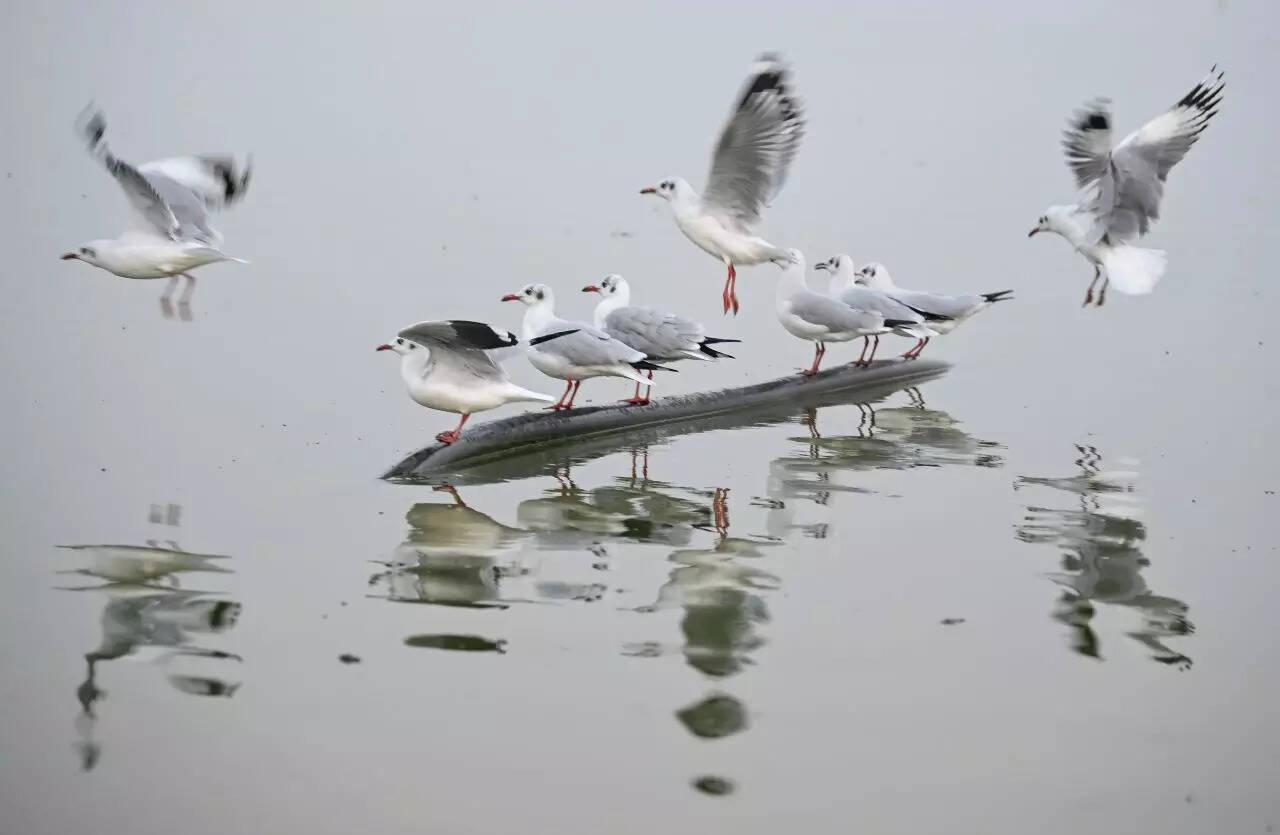
(Photo Jignesh Mistry)
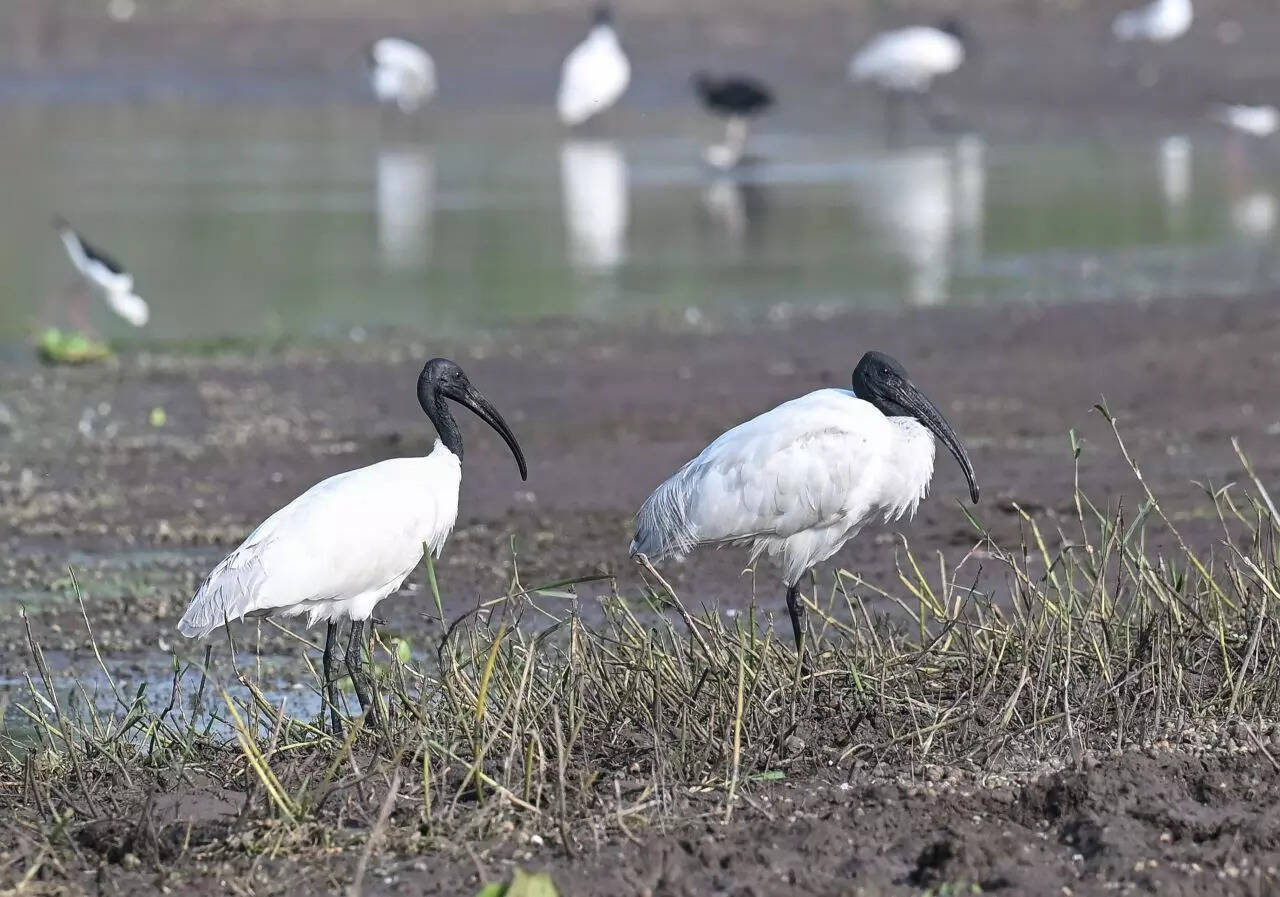
(Photo Jignesh Mistry)
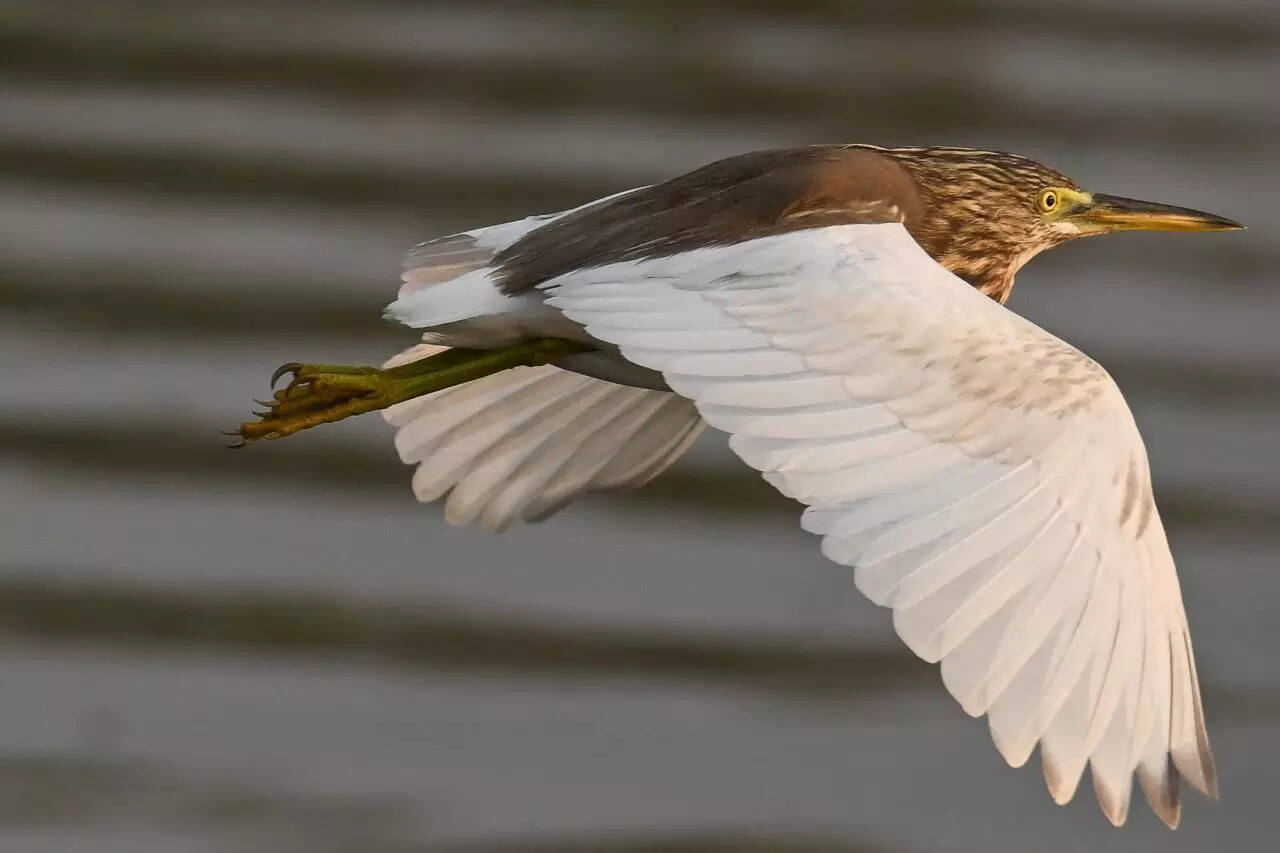
(Photo Jignesh Mistry)
Isha Joglekar, who handles itineraries and logistics for such tours, says planning is important for a good and comfortable experience. From understanding routes and weather to ensuring clean toilets, proper meals and more, the focus is on making sure the experience doesn’t fall apart over basics. “These small things that if ignored can ruin a beautiful trip,” she says. For a good trip, leave around 2.30 am to reach before sunrise.
Also carry water and dry snacks.
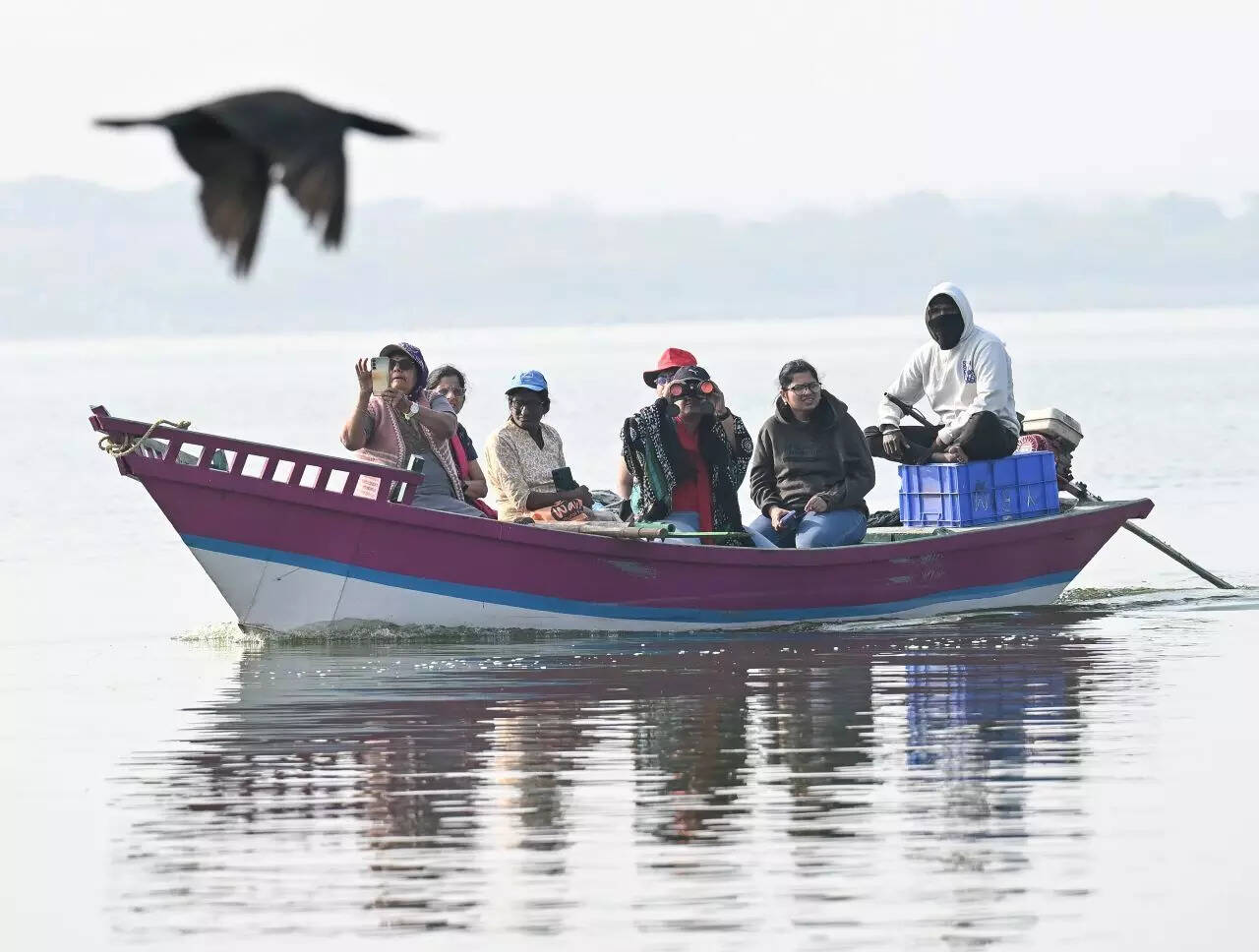
(Photo Jignesh Mistry)
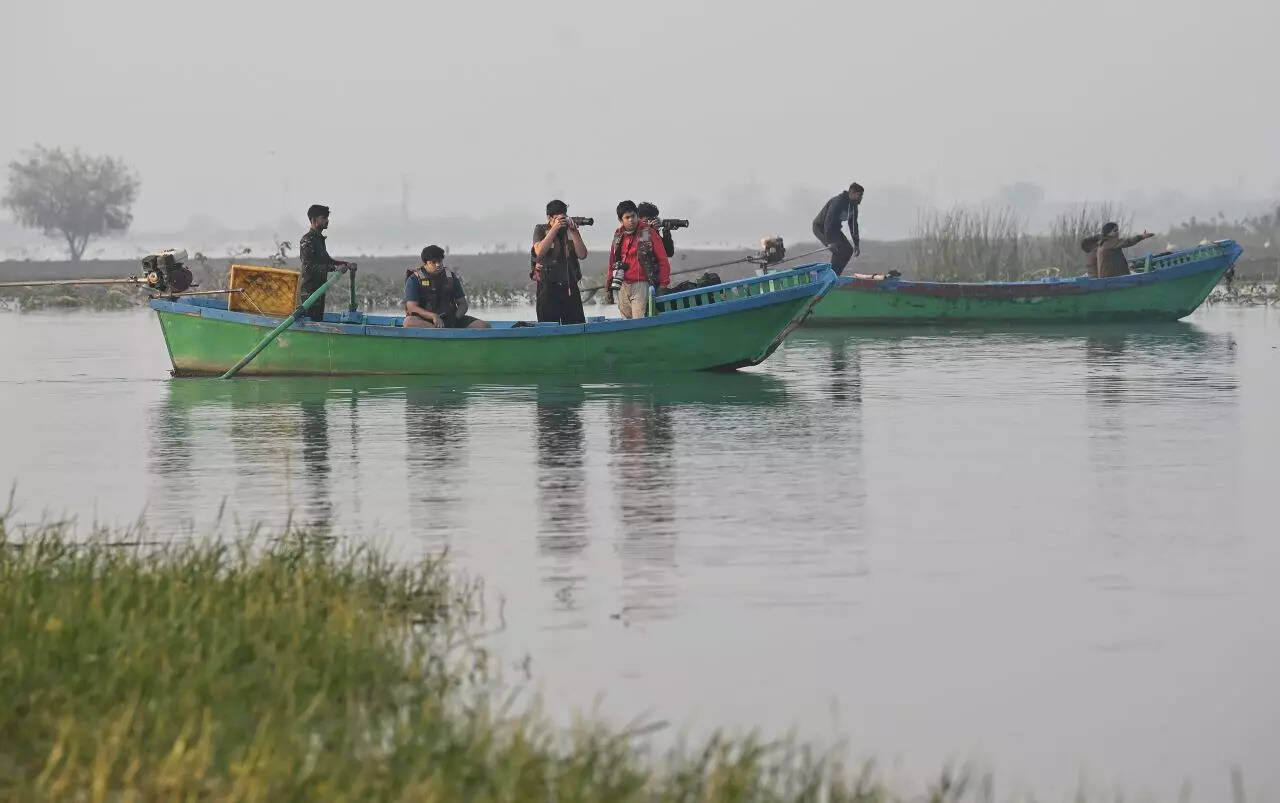
(Photo Jignesh Mistry)
● Black-crowned Night Heron● Greater Spotted Eagle● Grey Heron n Little Cormorant● Marsh Harrier● Northern Shoveler● Osprey● Ruddy Shelduck● Greater Flamingo









 English (US) ·