

 2 hours ago
4
2 hours ago
4
ARTICLE AD BOX
Last Updated:April 22, 2026, 20:42 IST
US-Iran War: The Panama Canal- an 82-kilometre dual-lane waterway linking the US Gulf Coast to the Pacific- has emerged as the unlikely new artery of global oil supply.


US President Donald Trump (Image Credit: Reuters)
When missiles began falling on Iranian oilfields in early March, sending Brent crude past $113 a barrel for the first time since 2022, the world’s energy traders faced a stark and immediate question: where would the oil come from? Seven weeks later, the answer is increasingly clear. It is coming from Texas- routed through the Panama Canal and arriving at a premium that is quietly reordering the global crude market in America’s favour.
Read more: The Art Of No Deal: 5 Reasons Why Iran’s Leadership Is Unable To Sign A Peace Truce With Trump
Asian refineries, scrambling to replace supplies disrupted by the Iran war’s effective closure of the Strait of Hormuz, are queuing up to buy US Gulf Coast crude at a pace not seen in nearly three years, according to marine intelligence firm Kpler.
US crude exports through the Panama Canal crossed 200,000 barrels a day for the first half of April- the highest since July 2022- and are still climbing, even as Washington and Tehran struggle to secure a lasting peace. The pivot is being driven by hard geography. Before the war, Hormuz shipments accounted for roughly 20 per cent of global seaborne crude flows, the majority destined for Asia. With that route now choked off or made prohibitively risky, Asian buyers have been forced to look elsewhere. The Panama Canal- an 82-kilometre dual-lane waterway linking the US Gulf Coast to the Pacific- has emerged as the unlikely new artery of global oil supply.
The Price Of Getting Through
The surge in traffic has come at a cost and shipping firms are paying it without hesitation.
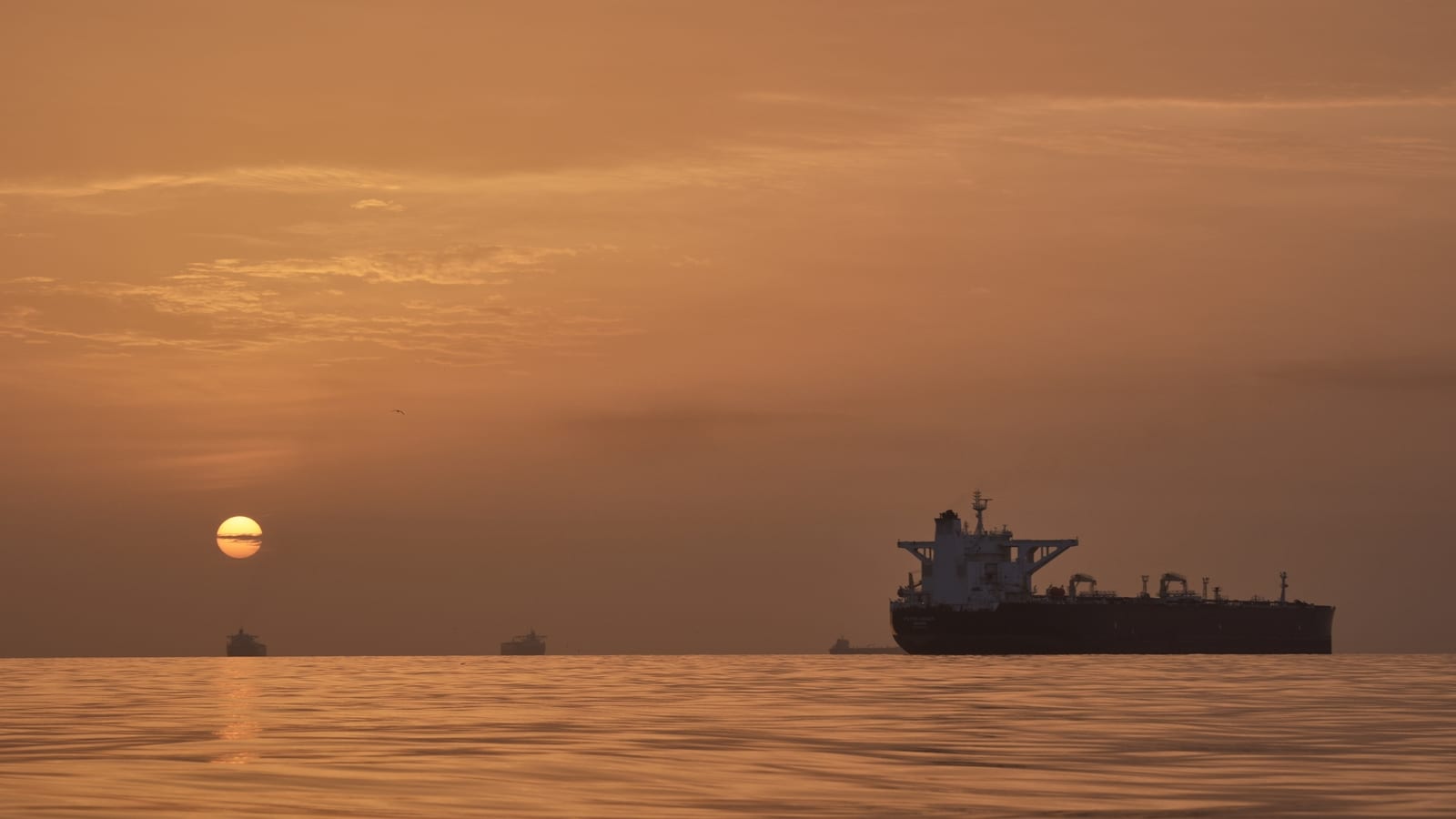
Sources told Bloomberg last week that one firm paid $4 million for priority access to move a tanker carrying liquefied petroleum gas through the canal- on top of the standard Panama Canal Authority transit fee, which itself can run into hundreds of thousands of dollars. Others have been paying up to $3 million for the same privilege. A crude tanker can take up to 10 hours to clear the waterway and the queue of vessels waiting weeks for their turn is growing longer by the day. The premiums reflect a calculation that has become common across the energy industry: the cost of delay, or of exposure to Hormuz, is now higher than the cost of paying whatever it takes to transit Panama.
Read more: If US Goes To War Again, Does It Have Enough Missiles Left After Iran Bombardment?
WTI’s Unlikely Moment
The structural shift in demand has produced a striking reversal in oil market dynamics.
West Texas Intermediate, the US crude benchmark, is now trading at a $3 to $4 per barrel premium over Brent- a benchmark historically associated with North Sea supply but more broadly reflective of global prices. That gap represents a significant structural shift. Brent surged past $100 a barrel in early March, reaching $113 at its peak, as missile strikes on Iranian oilfields and export terminals rattled markets. But the volatility that drove Brent higher has also made it a less reliable pricing anchor.
WTI, backed by the world’s largest oil producer and insulated from Hormuz disruption, is increasingly being viewed as the more stable war-time option.
“The queue for Gulf crude and rerouting via the Panama Canal reinforces a US-centric tilt of global oil flows in the Iran war phase," Kpler said in its analysis.
Trump’s Calculation Was Right?
In early March, as pressure mounted over the Hormuz blockade and its impact on global fuel prices, US President Donald Trump offered a blunt assessment of the situation. He said, “The US is the largest oil producer in the world, by far. So when oil prices go up, we make a lot of money."
On the numbers, Trump is correct. The United States produced over 13.5 million barrels of oil daily in 2025, according to International Energy Agency data- approximately 16 per cent of global output.
Handpicked stories, in your inbox
A newsletter with the best of our journalism
Location :
Washington D.C., United States of America (USA)
First Published:
April 22, 2026, 20:42 IST
News world Black Gold Rush: Why Trump Was Not Wrong When He Said High Oil Prices Mean US Makes Money
Disclaimer: Comments reflect users’ views, not News18’s. Please keep discussions respectful and constructive. Abusive, defamatory, or illegal comments will be removed. News18 may disable any comment at its discretion. By posting, you agree to our Terms of Use and Privacy Policy.
Read More






 English (US) ·