

 1 week ago
5
1 week ago
5
ARTICLE AD BOX
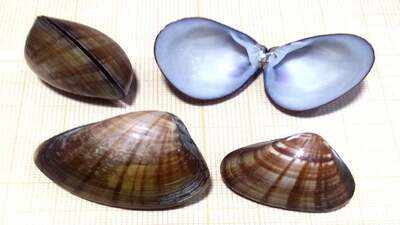
Brazil's waterways are facing an ecological crisis as non-native mollusc species have surged by over 200% in just 15 years. Image Credits: Wikimedia Commons
When we stroll along the sunny, picturesque beaches of Rio de Janeiro or sit by the tranquil banks of a wide Amazonian river, our minds usually drift toward a very specific scene of pristine tropical wilderness.
We picture clean, undisturbed waters teeming with vibrant native fish, colourful birds nesting in thick overhanging branches, and a perfectly balanced aquatic ecosystem that has remained unchanged for thousands of years. For generations, traditional coastal and rural life has taught us to view these sprawling South American water networks as resilient, self-sustaining sanctuaries of biodiversity. The common belief is that local flora and fauna can often adapt to environmental shifts without losing their regional character.But a closer look at Brazil's river systems, coastal bays, and agricultural canals shows a different pattern of biological disruption. In the mud and on the concrete walls of major industrial facilities, a rapid ecological takeover is underway. Every year, international cargo ships, commercial trade routes, and the aquarium trade accidentally introduce tiny, highly adaptable hitchhikers into local waterways.
What appears to be an ordinary riverbed can harbour foreign species that reshape the underwater environment, compete with local wildlife, and can put infrastructure at risk.This shifting ecological challenge was charted in a study published in the journal Biological Invasions, titled Non-native mollusc species in Brazil: a first national inventory and distributional overview. Led by Fabrizio Marcondes Machado, Rodrigo B. Salvador, and Igor C.
Miyahira, the study created Brazil's first unified national database of these non-native molluscs. By systematically reviewing historical records and comparing them with modern field surveys, the study presents striking evidence indicating that the number of foreign mollusc species documented across Brazilian territories has exploded over a very short historical window.The study says the team built the first comprehensive national inventory of non-native molluscs in Brazil and found the list had jumped by more than 200% in 15 years, from 26 species to 82.
It also notes that the fauna spans Gastropoda, Bivalvia, and, for the first time in this context, Polyplacophora and Cephalopoda, with 20 species already classed as invasive and another 20 established.Charting the accelerating pace of the underwater takeoverTo fully understand why this new inventory has raised serious concerns among conservationists and economic planners, it helps to look at the sheer velocity of these biological arrivals.
Just fifteen years ago, official national records suggested that Brazil was host to a relatively manageable group of twenty-six non-native mollusc species, most of which were confined to localised areas. However, the updated database compiled by the research team reveals that this cumulative tally has recently reached eighty-two distinct species, marking an alarming increase of more than two hundred per cent.
This dramatic jump indicates that current global trade pathways and regional transport networks are moving species across geographic boundaries much faster than historical biosecurity measures can keep up.The detailed scientific analysis shared in the study explains that this influx is no longer limited to the familiar land snails or freshwater clams that have historically trickled into the country. For the very first time, the national inventory had to expand its parameters to include entirely new classes of marine organisms, documenting foreign representatives of multi-shelled polyplacophorans and highly mobile cephalopods alongside traditional gastropods and bivalves.
This expansion indicates that foreign species are establishing footholds in a range of climates and environments, from inland agricultural zones to coastal shipping ports.The data further suggest that these creatures can adapt well to local conditions, in part because they may leave behind predators and diseases from their home ranges. Without these natural checks, introduced individuals can multiply into dense colonies that compete with native organisms for food and space.
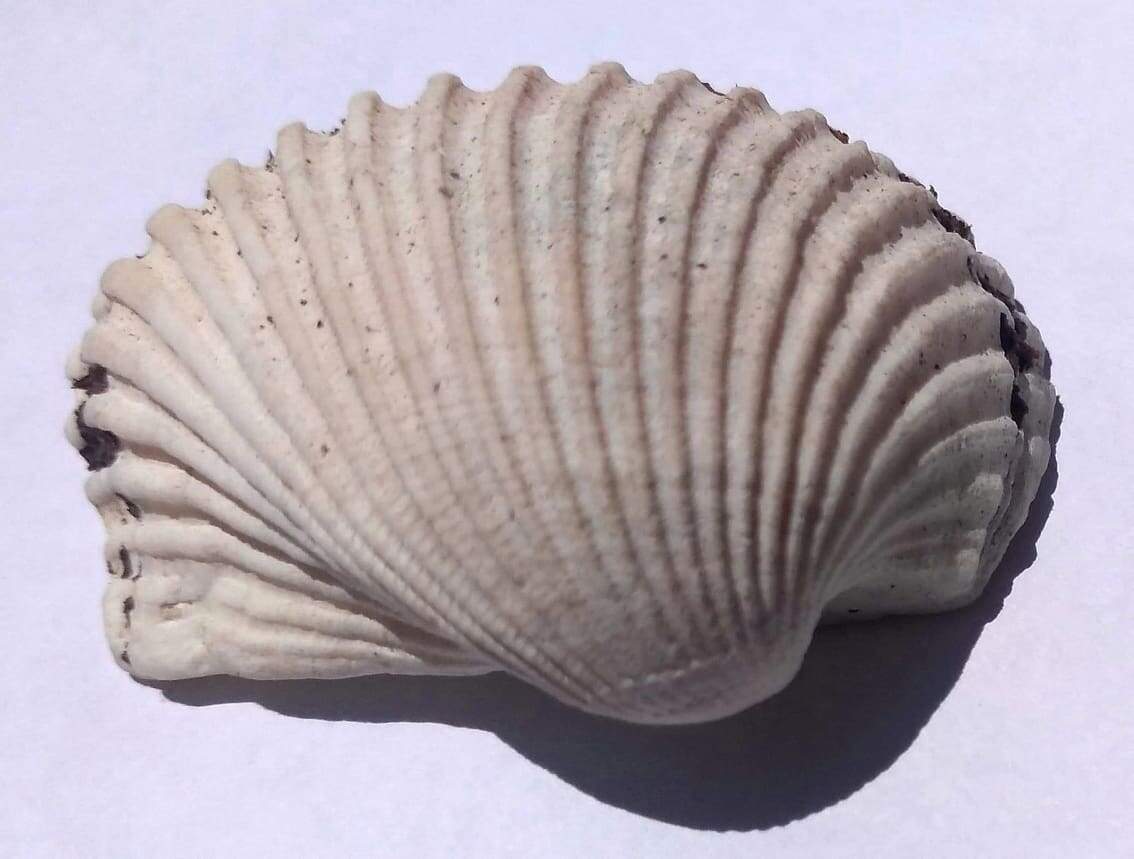
International trade and shipping have introduced these adaptable invaders, which now threaten infrastructure like power plants and agricultural production. Image Credits: Wikimedia Commons
The heavy price of a changing aquatic landscapeThe practical insights gained from this nationwide inventory highlight the significant economic and logistical strain that these quiet invaders are already inflicting on Brazil's vital infrastructure. A prime example highlighted in the broader analysis of the data is the notorious golden mussel, a small bivalve that likely arrived in South American waters during the early 1990s through the ballast water of international cargo vessels.
Because this species thrives by firmly cementing itself to hard surfaces, it forms massive, encrusting layers that choke the internal water intake pipes of hydroelectric power plants, forcing operators to spend millions of pounds on constant maintenance and manual cleaning to prevent catastrophic blackouts.According to the authors, the economic impact is also felt across the country's agricultural heartlands.
On dry land and in irrigated farming networks, foreign species like the Asian mantleslug have steadily transitioned into aggressive agricultural pests, feeding heavily on valuable crops and disrupting local food production systems. Beyond the immediate financial damage to farms and power grids, scientists note that these fast-spreading populations can act as intermediate hosts for dangerous parasites, introducing hidden public health risks into rural communities that live alongside infested waterways.This study underscores the need for a coordinated approach to environmental biosecurity. The study suggests that foreign introductions are accelerating and that reactive management plans may no longer be sufficient. Recognising that these microscopic hitchhikers can grow into massive economic and ecological burdens encourages the development of stronger early detection networks, stricter shipping regulations, and collaborative monitoring programs designed to catch future biological threats before they can permanently reshape the natural world.







 English (US) ·