

 1 hour ago
6
1 hour ago
6
ARTICLE AD BOX
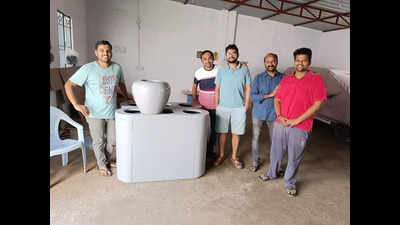
WATER IS GOLD: At Metropolis Gurukrupa, this bio chamber is used for treating black water. The human faecal matter will compost inside these bins, and release the water which can further be treated for flush or drinking requirements.
Look at any large apartment complex in the city, and you’ll find a regular stream of tankers entering to fill up the water storage sumps. Many smaller ones depend on borewells, but often in combination with tankers.
Water is typically one of the biggest sources of expenditure for complexes that depend on tankers. And those costs are rising as borewells dry up, and tankers go longer distances to fetch water. However, some apartment complexes are nearly self-sufficient in water. They’ve adopted a combination of traditional water conservation techniques – such as groundwater recharge, rainwater harvesting, and community management of resources – and they’ve used aerators, cloud-based water metering and monitoring systems, and recycling using STPs (sewage treatment plants) to reduce water consumption. Metropolis Gurukrupa apartment complex survives solely with rainwater for about six months in a year, thanks to conversion of 100% of rooftop rains to potable-grade water. Ganesh Shanbhag, a resident of the complex located at Singasandra, believes that for any apartment complex, rain should be the primary source of water. A go-to man for many apartments struggling with water shortage, Ganesh says, “Both the rooftop rainwater and surface runoffs can be easily converted into drinking-grade water, and an apartment complex can offset about half of its requirements in a year using rainwater.
” Bengaluru is located on the Deccan plateau. The city receives rains from both Arabian Sea and Bay of Bengal. “We received over 1500mm of rain in the past year spread across 60-62 days,” notes Ganesh. Ganesh says Metropolis Gurukrupa is even equipped to convert excess flush water to drinking-grade water. Technology, open wells, and recharge wells Century Saras apartment complex in Yelahanka saves 1.26 crore litres of water annually through various initiatives, and does not rely on Cauvery water or water tankers.
The apartment complex reduced its daily freshwater consumption by 7,000 litres after aerators were introduced, says Padmashree C Pai, president of an all-woman apartment management committee. A cloud-based system also helps the complex monitor water consumption patterns and leakages 24x7. “We are also planning to automate our STPs. It will enhance monitoring the quality of each parameter for treated used water (TUW).
Once we complete automation, we might even consider selling our excess STP water for industrial use. Currently, it costs Rs 10 to 12 in the market,” Padmashree says. Automation of STPs would involve a capital expenditure of about Rs 18 lakh.
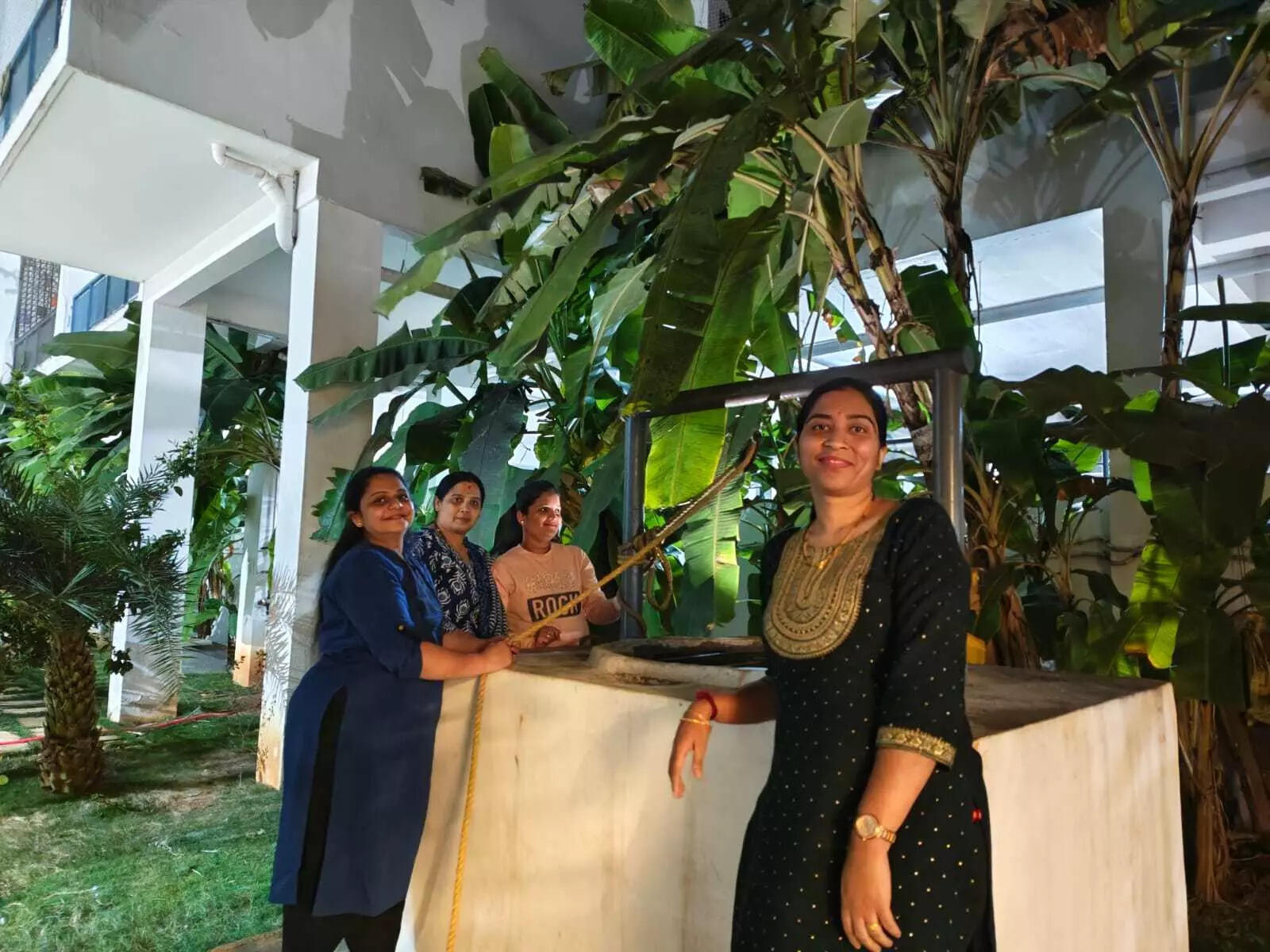
OPEN WELLS ARE MAKING A RETURN- Century Saras Apartment in Yelahanka has an open well, besides seven recharge wells.
The complex also has an open well started in 2024, and a borewell. “The open well is a great source of water. It also mitigates the risk of flooding during the rainy season,” she says, adding “We’ve also installed seven recharge wells that are 20 to 30 feet deep.” In 2017, the complex started reusing 50% of the treated water for flushing purposes. “The quality of our STP water is very good. There is no stink. No colour. We get our STP water samples tested systematically,” says Padmashree. Century Saras also makes good use of rainwater. Around 900 square feet of its rooftop is being used for rainwater harvesting. Women water warriors Victory Harmony apartment complex at Cholanayakanahalli in Hebbal was previously nicknamed as ‘tanker apartment’, with ten tankers lined up near the main gate every day.
“We were heavily dependent on tanker water,” recalls Devi Joseph, former president of the management committee. Over the years, with various water conservation measures, the complex has reduced its water consumption and no longer uses tanker water.
“We reduced our daily water usage from 75,000 litres to 45,000 litres,” says Devi. Members of the then management committee, comprising nine women, led door-to-door engagement to implement changes, ensuring aerators are used in every apartment.
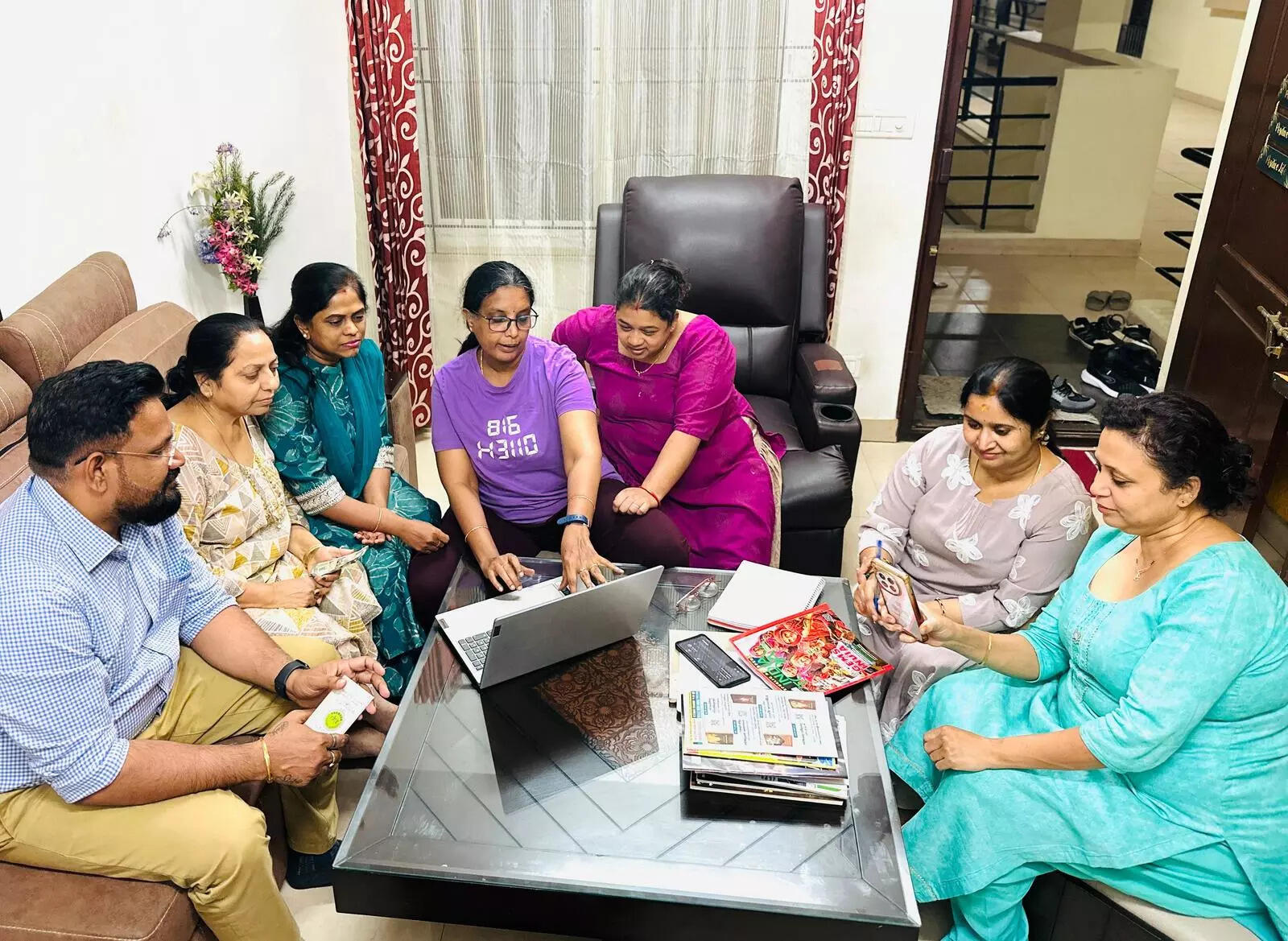
EVERY DROP IS PRECIOUS: Residents of Victory Harmony Apartment at Cholanayakanahalli in Hebbal save 30,000 litres of water daily by adopting various water conservation measures
Water meters helped detect leaks and continuous wastage (especially in vacant flats and faulty flush systems). Committee members monitored meters frequently to pinpoint losses. “We also worked with BWSSB to better quantify our water needs and improve Cauvery water supply,” says Devi. Devi is no longer part of the MC, but she is delighted to see that new MC members are continuing with the legacy. Low-cost STP, sponge zones At CoEvolve Northern Star, an apartment complex in Thanisandra, water was made the primary design focus.
Measures included demand reduction at source (aerators, dual-flush) and recycled water use for flushing/irrigation. These are legally mandated but often poorly implemented, says Suhail Rahman, MD and CEO, CoEvolve Estates, Thannisandra. His solution was an STP designed to be low/no-power and low-maintenance (no motors/pumps) with multi-stage treatment producing potable quality water. “We even mixed treated water into non-drinking uses (including bathing) while monitoring quality, but the stigma associated with treated water reuse led to eventual rollback,” says Suhail. In a new project, CoEvolve has created artificial “sponge zones” that can absorb up to 15 lakh litres of rainfall per day. Water conservation at this project also aims to send 1-1.2 lakh litres/day of surplus treated water back into aquifers via irrigation/percolation, and the sponge zone. “Sarjapur is a water-scarce zone, and we are striving to make the community water-positive within 2-3 years, with the potential of selling water in future,” says Suhail. VOICE BOXBengaluru’s decentralised sewage treatment plant (STP) model is flawed: sewage treatment is effectively pushed onto citizens, resulting in 4,000 STPs citywide, many poorly maintained.

Suhail Rahman
Vendors can be unreliable, motors and pumps in mechanical STPs frequently break down, many communities are ill equipped to manage this – so recycling fails in practice. SUHAIL RAHMAN MD & CEO, COEVOLVE ESTATES We previously had no water meters, and the total cost of water would be divided equally among the 128 apartments, irrespective of the number of family members.
By installing water meters and water aerators in every house, we have been able to reduce freshwater consumption significantly.
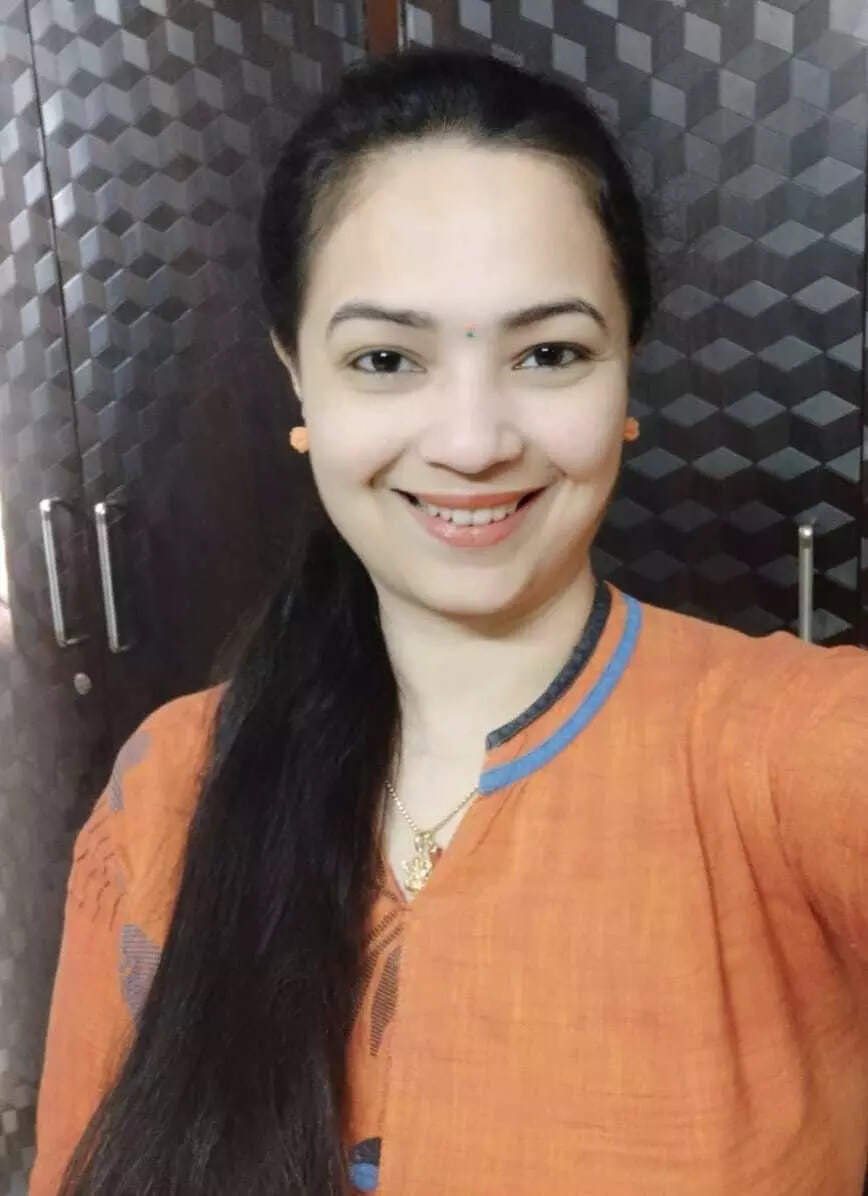
Padmashree C Pai
Now we are nearly self-sufficient in water. Earlier, around 25% of our maintenance funds were spent on electricity, for pumping water from the borewells to the tanks. That’s also come down dramatically.Padmashree C Pai, PRESIDENT, MANAGEMENT COMMITTEE, CENTURY SARAS APARTMENT, YELAHANKA 15 years ago, our complex relied on tankers for 90% of our water needs and the rest on borewells. After Covid, tanker availability and costs worsened, driving maintenance costs up. An interaction with a rainwater harvesting expert turned out to be an eye-opener for us, and we implemented the rainwater harvesting system. An unused tank was repurposed to integrate with it. Four recharge wells were dug, and we started using rainwater effectively.
All these measures helped us save 30,000 litres of water daily. Devi Joseph, FORMER PRESIDENT, VICTORY HARMONY APARTMENT IN CHOLANAYAKANAHALLI, HEBBALBengaluru apartments should look at using drinking water generated from treated STP water as a viable and sustainable alternative. Today, technology has matured enough to convert treated water into drinking-grade water at affordable costs. Open wells can add a boost to conservation. Open wells act as both recharge wells and water drawing wells, and can fetch water at much less energy compared to tubewells. Ganesh Shanbhag, RESIDENT, METROPOLIS GURUKRUPA, SINGASANDRA







 English (US) ·