

 1 hour ago
7
1 hour ago
7
ARTICLE AD BOX
Last Updated:June 23, 2026, 07:43 IST
Keir Starmer resigns as UK prime minister after a steep fall in popularity and party unrest, leaving Britain facing its sixth leader in seven years and renewed political turmoil.
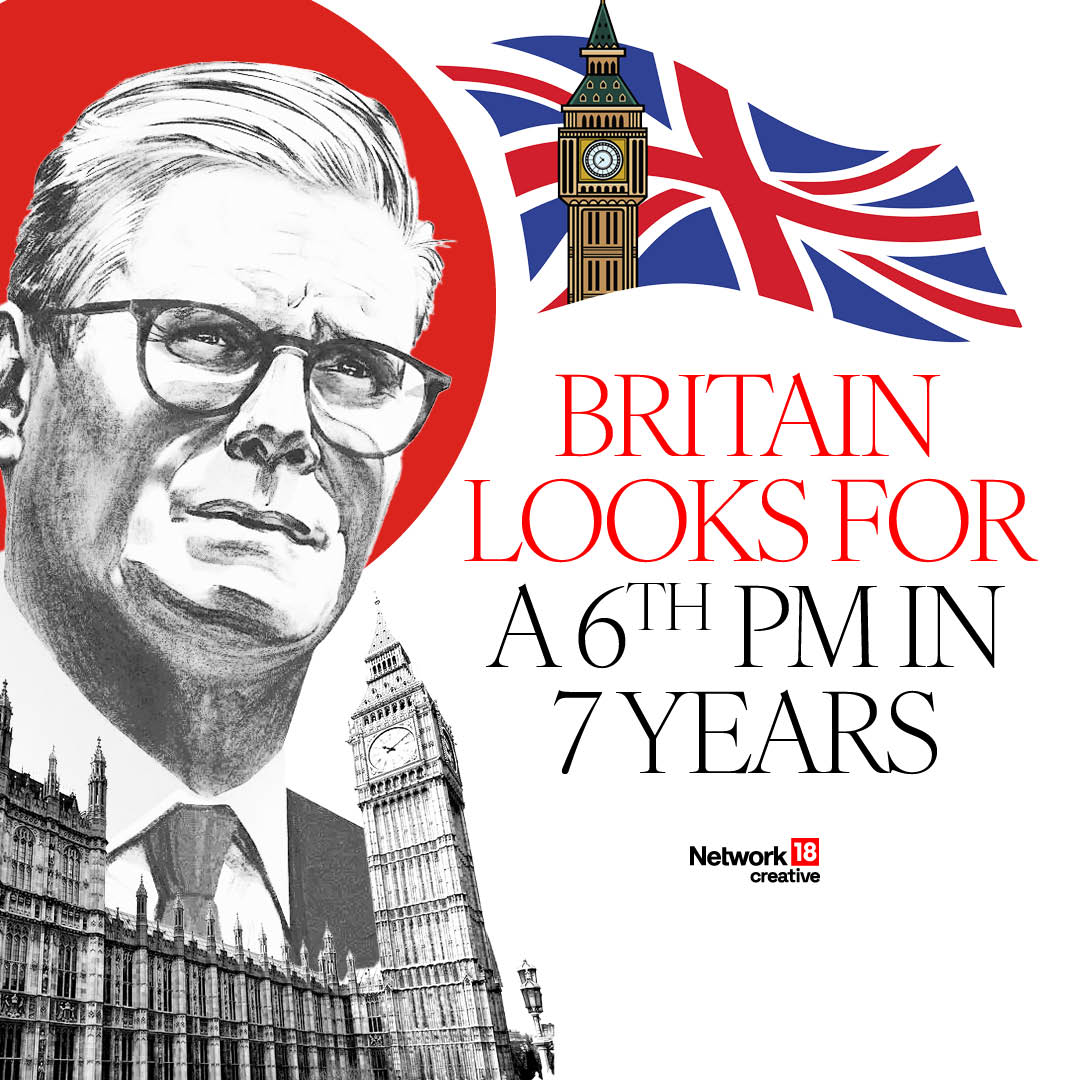
The dramatic fall of Prime Minister Keir Starmer has plunged British politics into uncertainty, with the UK now preparing for the possibility of its sixth prime minister in just seven years. After entering Downing Street with a historic majority and promises of stability, Starmer's tenure has been marked by economic challenges, policy setbacks and mounting public dissatisfaction.
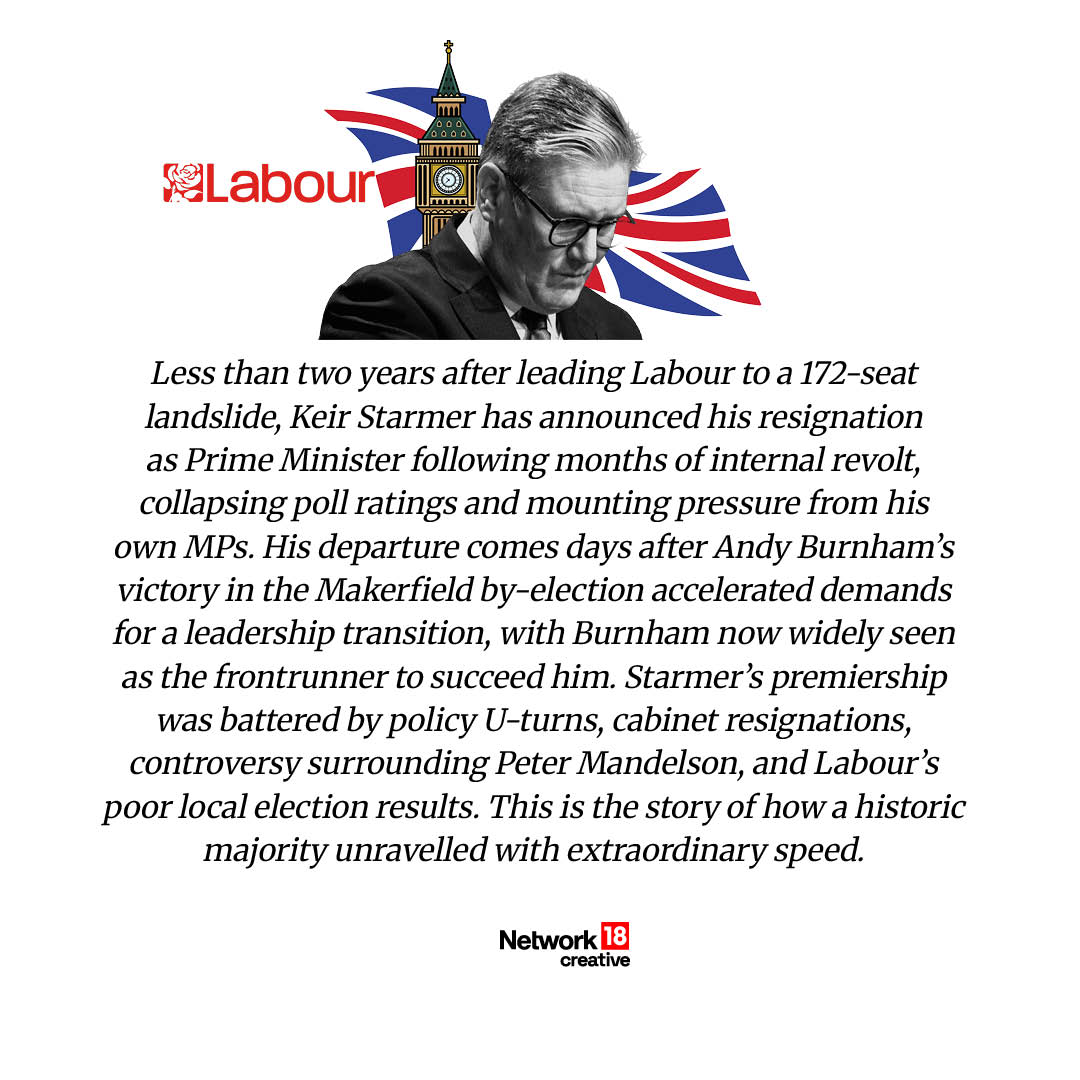
Political uncertainty returns to the United Kingdom as the country braces for the possibility of welcoming its sixth prime minister since 2019, highlighting the volatility that has gripped British politics in recent years.
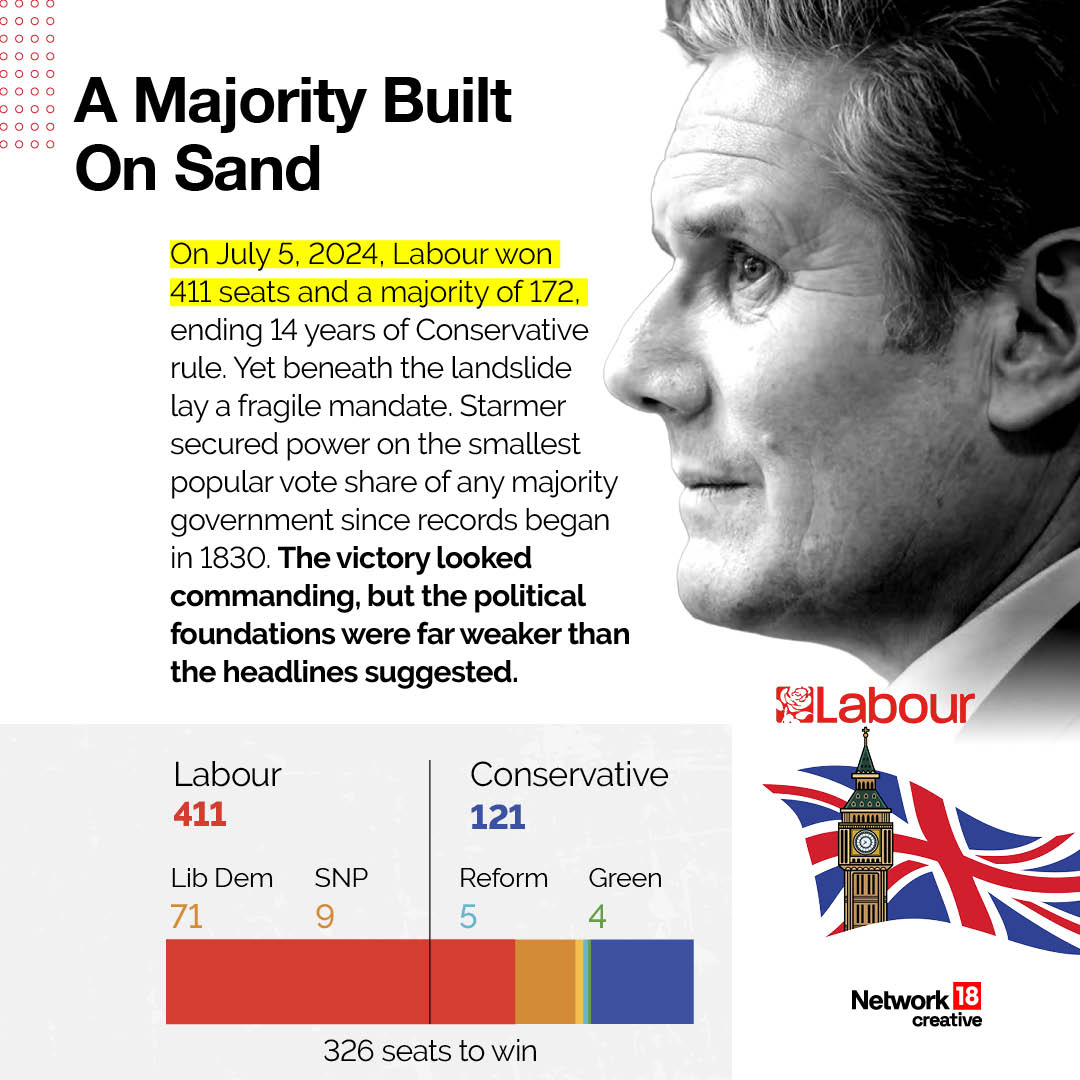
Keir Starmer's Labour Party swept to power in 2024 with a commanding mandate, ending 14 years of Conservative rule and raising hopes of political stability and economic revival.

Despite securing a massive parliamentary majority, Labour's share of the popular vote remained modest, exposing vulnerabilities that would later haunt Starmer's government. Generous welfare commitments and expansive spending plans helped Labour win support, but they also fuelled concerns over rising costs and fiscal sustainability.
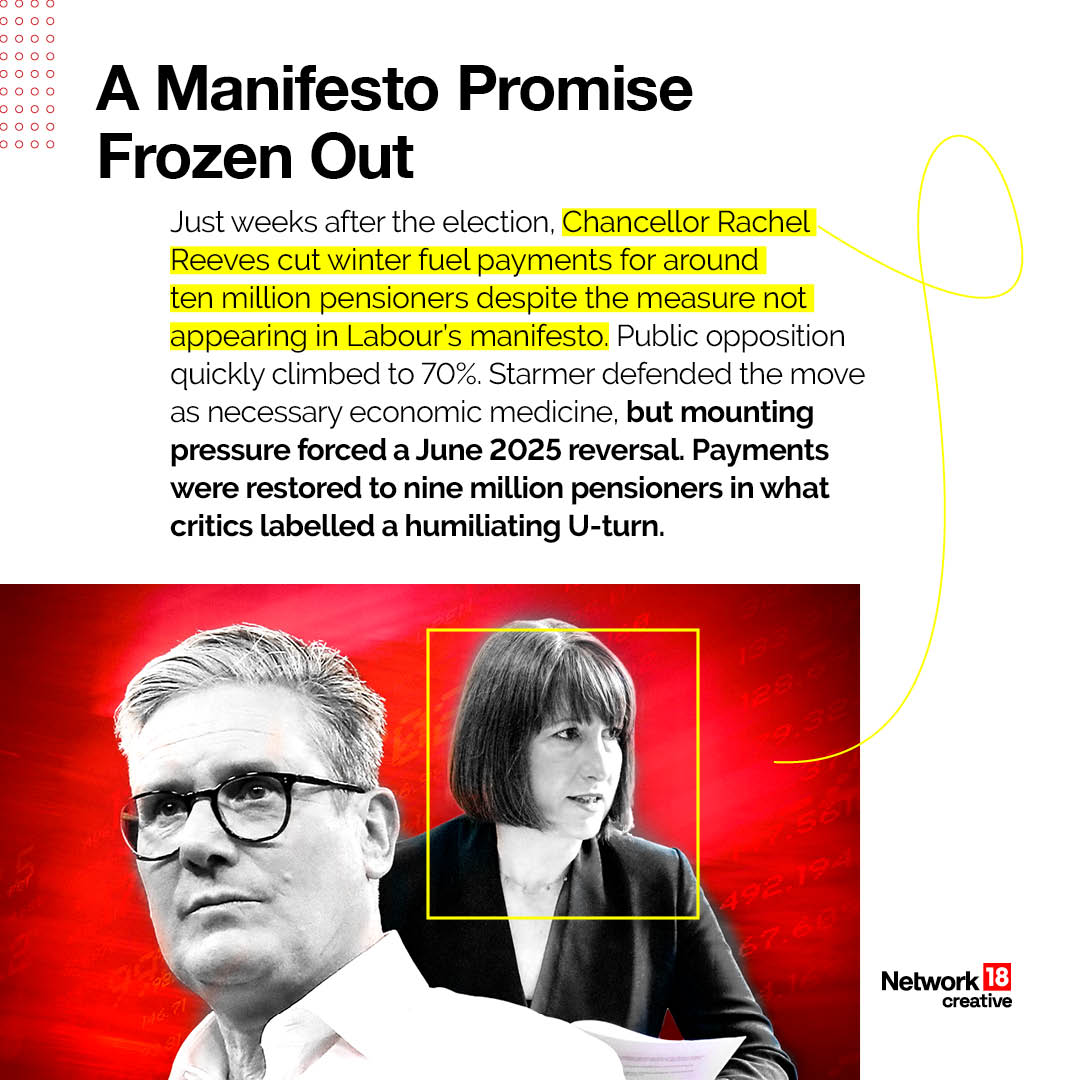
Several promises made during the campaign proved difficult to implement, with economic realities forcing the government to shelve or delay key pledges.

Controversies surrounding grooming gang investigations intensified political pressure, with critics accusing the government of failing to adequately address public concerns.
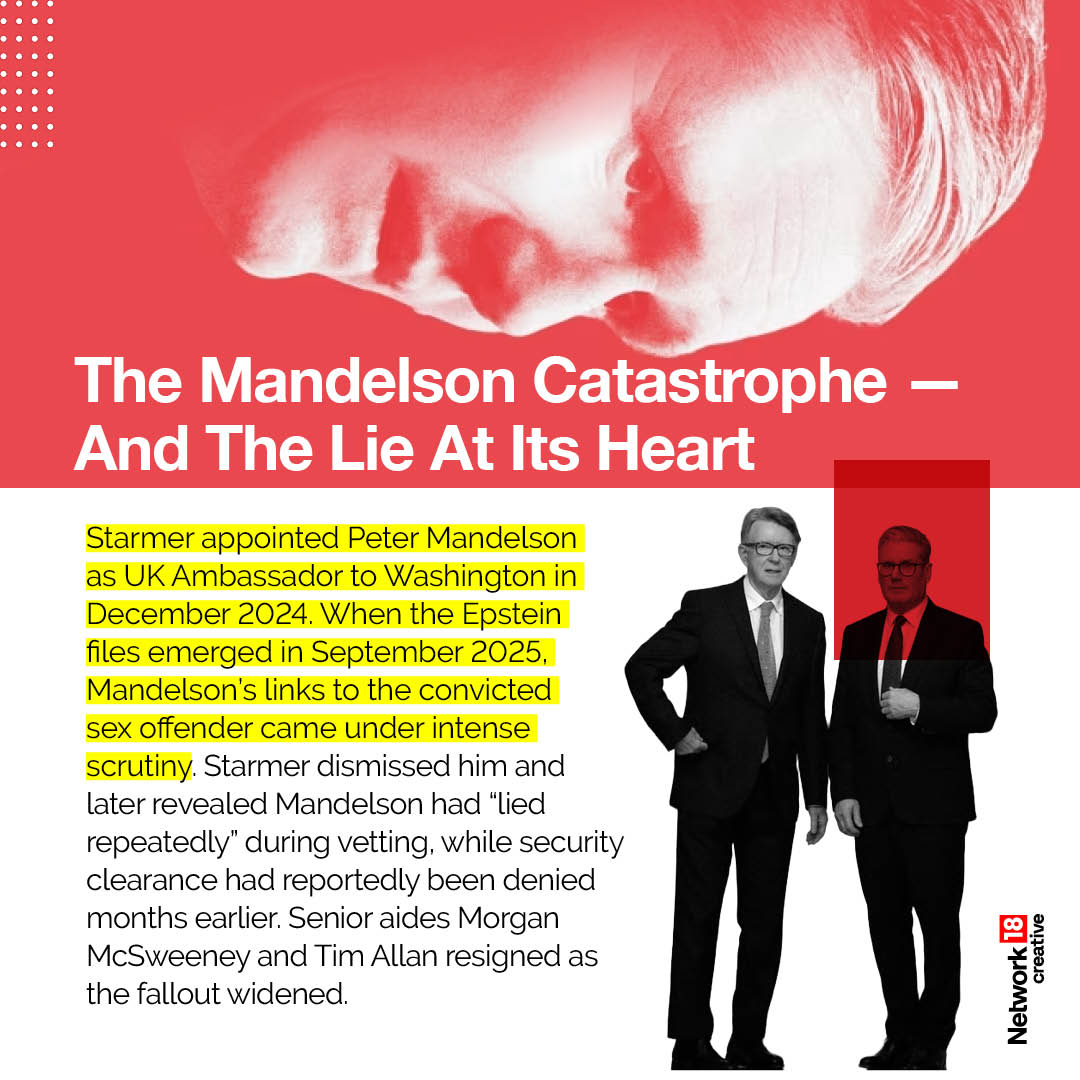
A series of political missteps and accusations of misleading narratives further damaged the administration's credibility and deepened divisions within Labour.
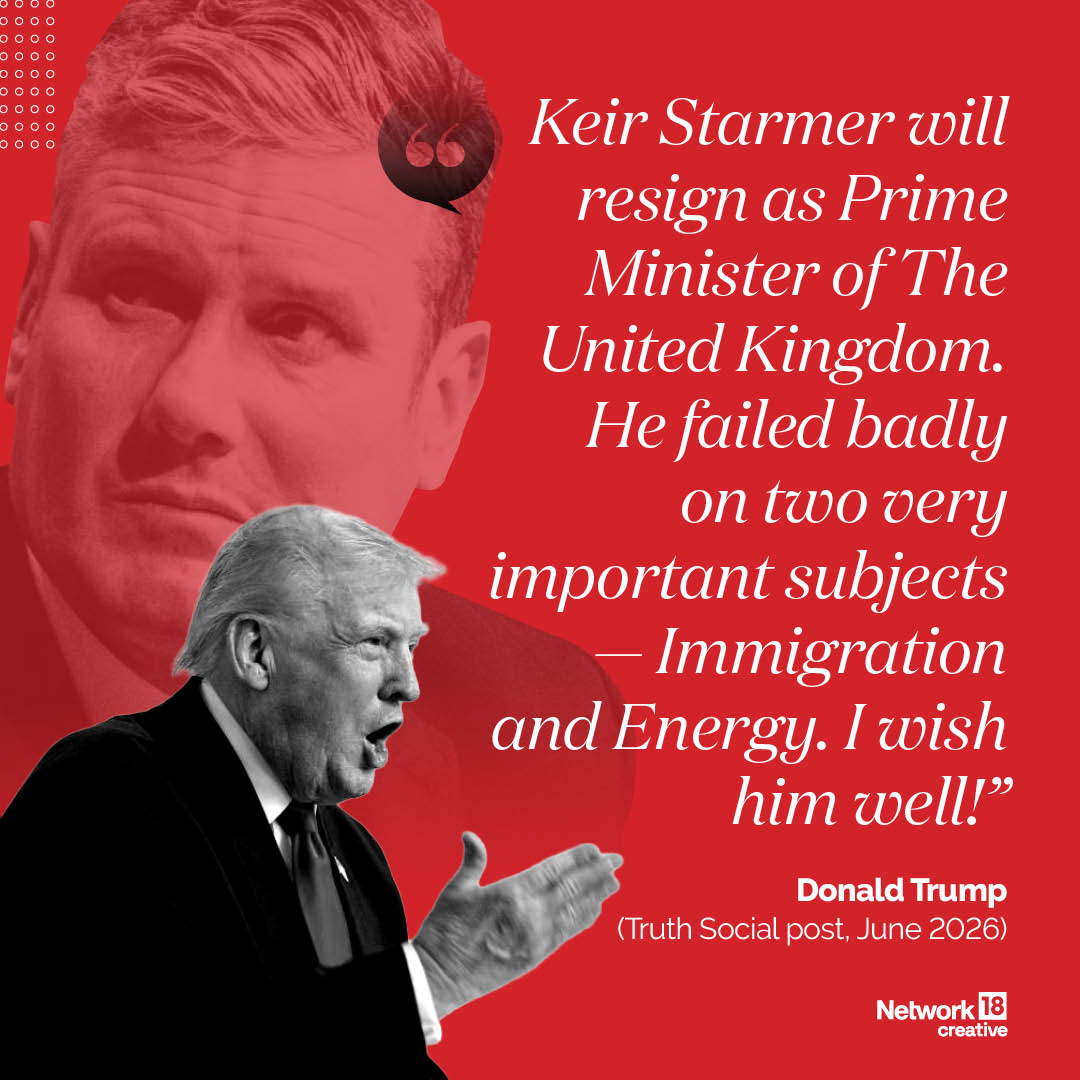
Historian David Starkey argued that Keir Starmer risked becoming Britain's "most important tragedy," warning that the prime minister's own decisions could undermine his legacy.
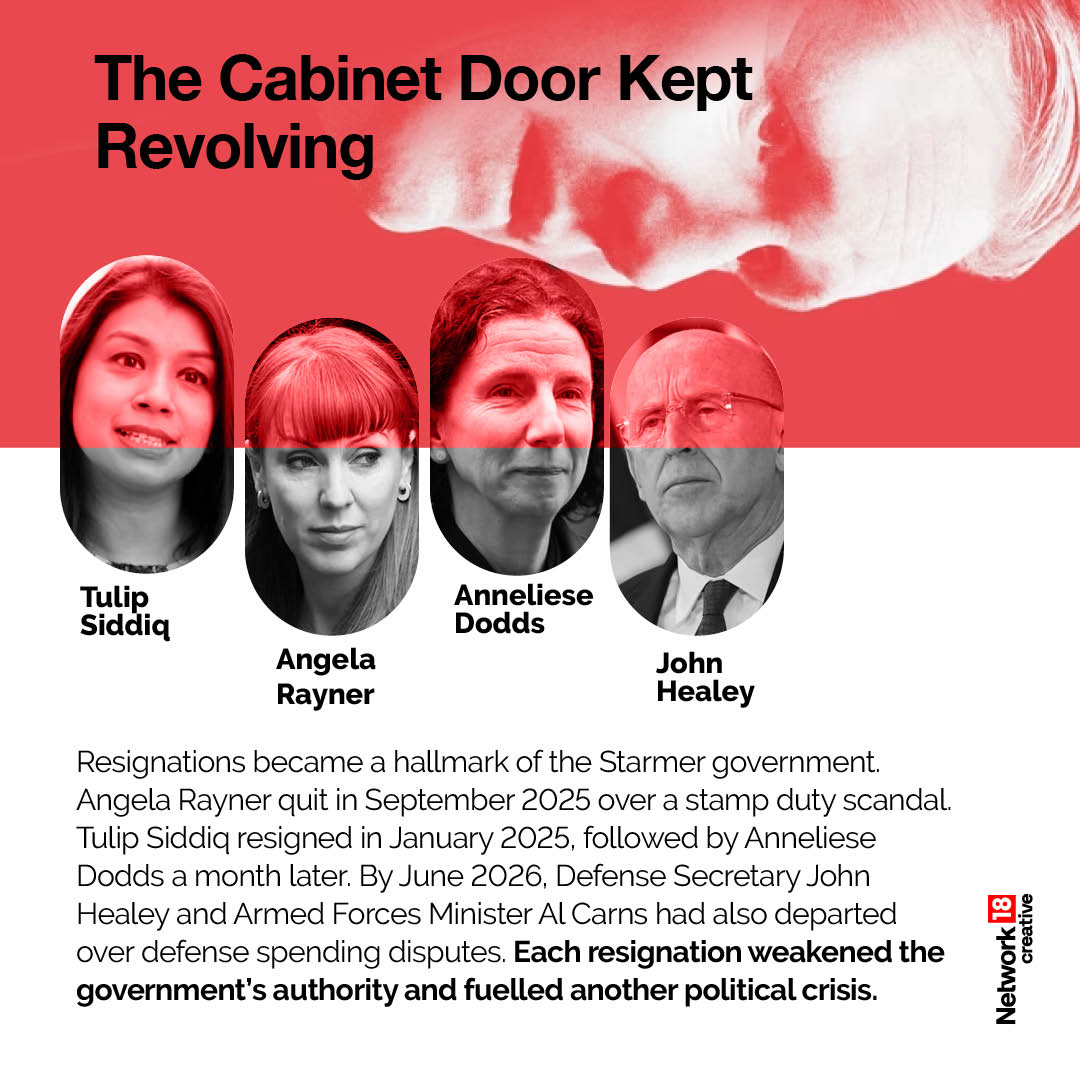
Frequent reshuffles and ministerial exits created an image of instability, weakening confidence in the government's ability to maintain a consistent direction.

Starmer's approval ratings plunged dramatically, turning what began as a period of optimism into one of the sharpest declines in popularity for a modern British leader.
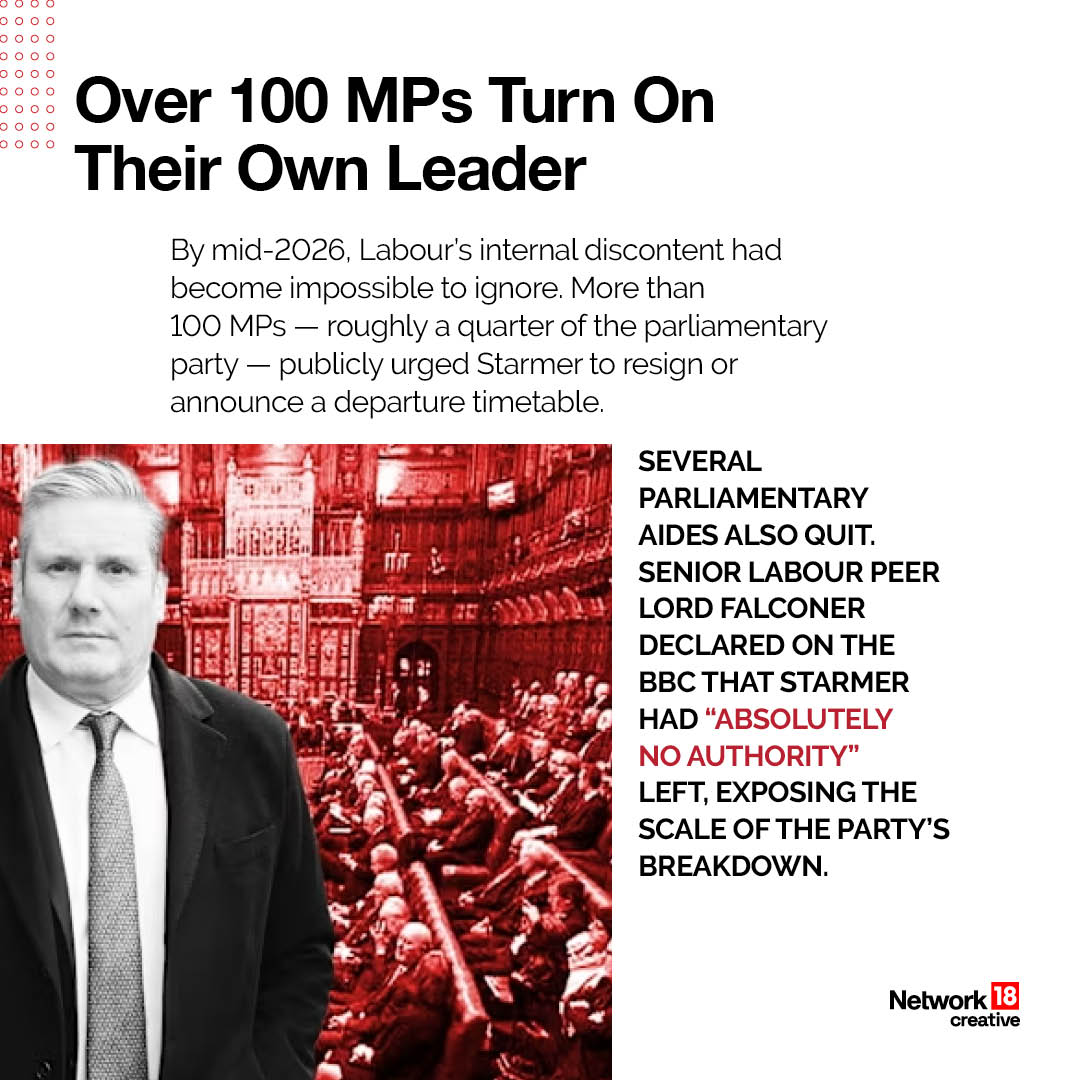
Growing dissatisfaction within Labour spilled into the open as more than 100 MPs reportedly voiced concerns, exposing serious fractures inside the ruling party.
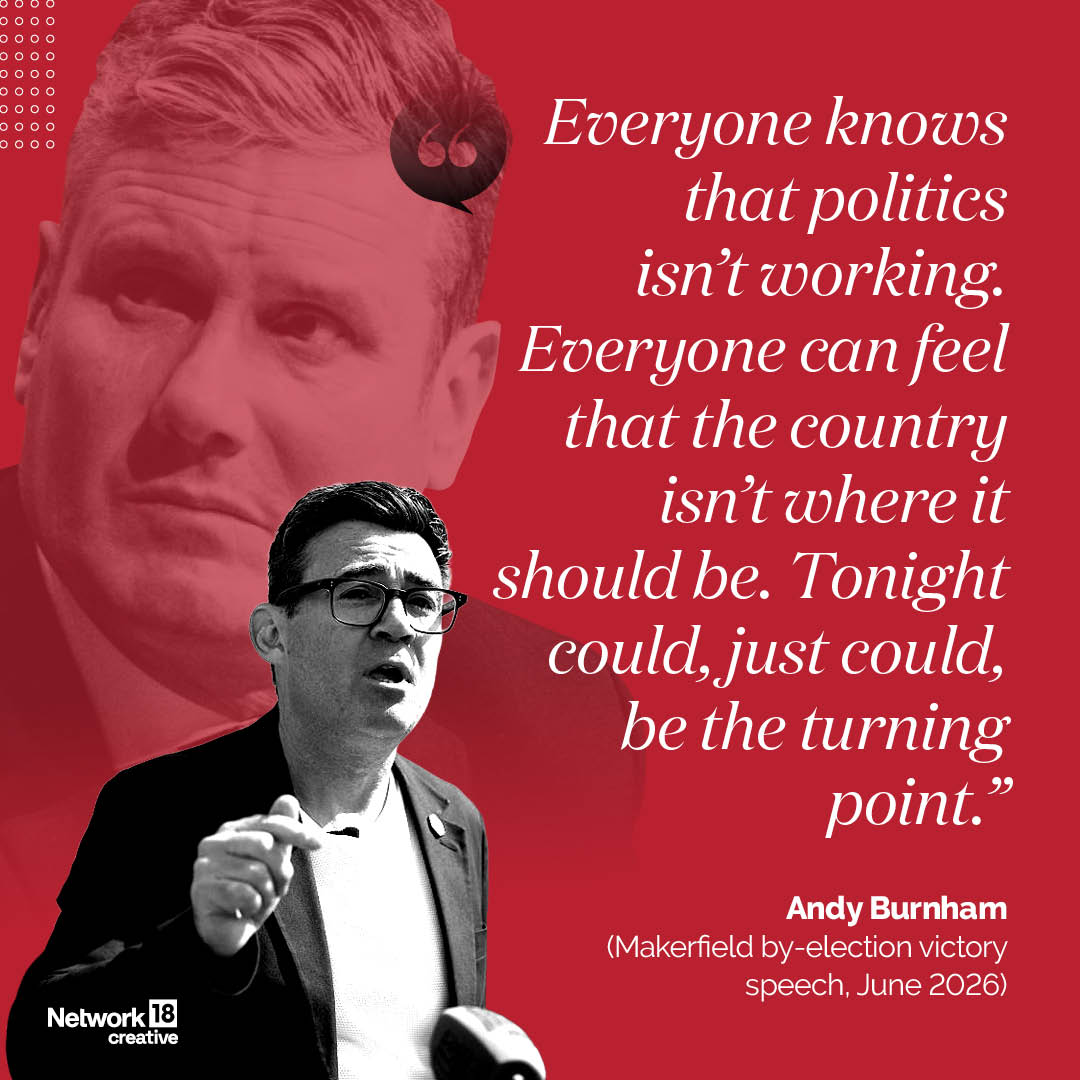
Veteran broadcaster Andrew Marr observed that politics rarely rewards hesitation, suggesting that Starmer's inability to set a clear course had become a major liability.

As speculation intensified over Starmer's future, attention shifted to potential successors waiting in the wings, signalling that the race for leadership may already have begun.
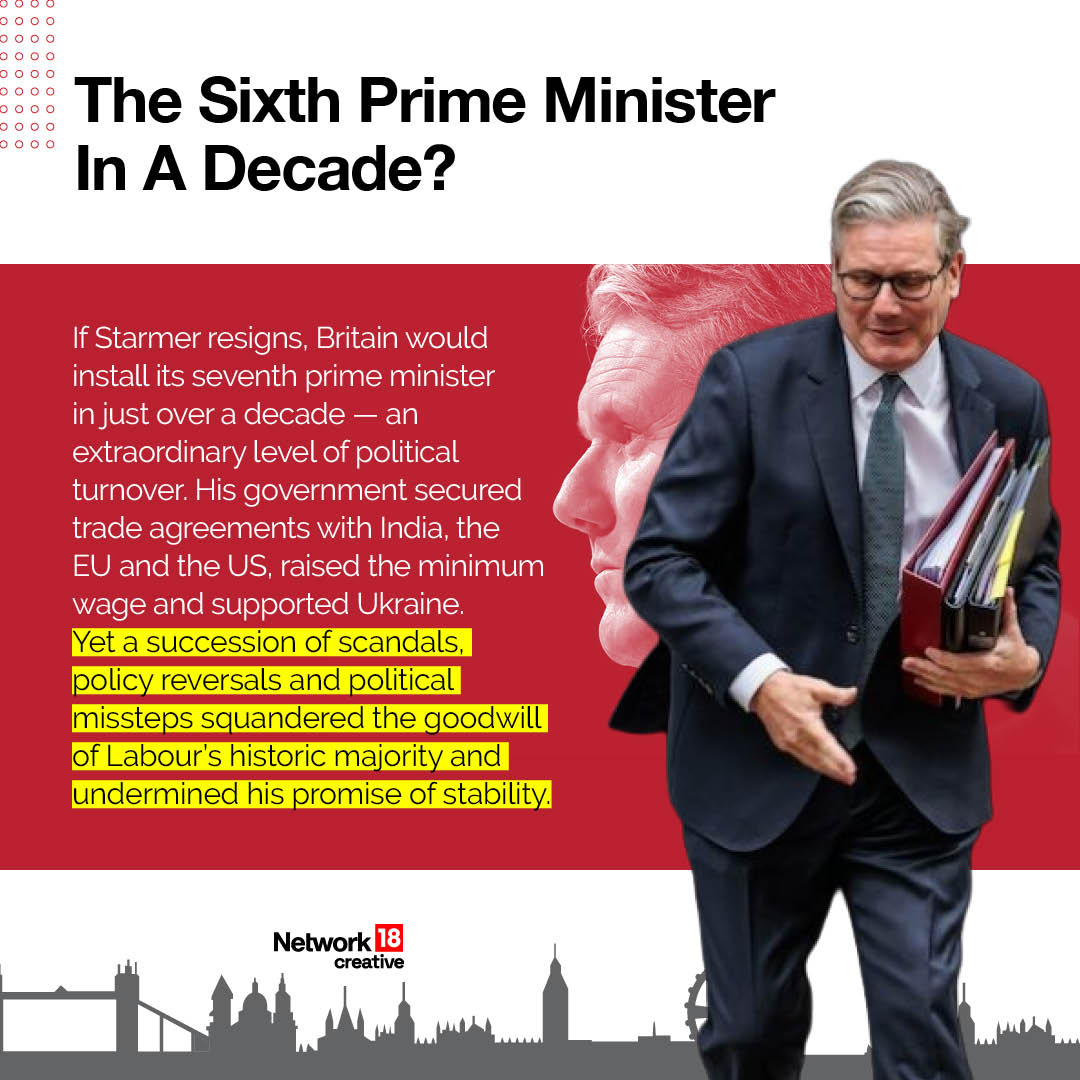
With Starmer's resignation, Britain is again entering a period of political transition, underscoring the extraordinary churn that has defined Westminster over the last decade.
News Photogallery world Britain's Leadership Turmoil: The Rise And Fall Of Keir Starmer | GFX






 English (US) ·