

 1 hour ago
6
1 hour ago
6
ARTICLE AD BOX
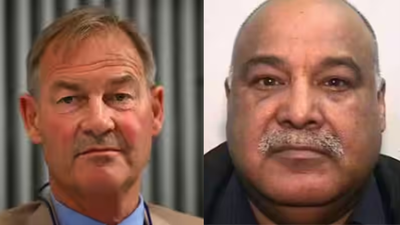
British MP Rupert Lowe has outlined a tough approach toward Pakistan after it refused to accept the deportation of convicted rapist Shabir Ahmed from the UK. He said any action should be “swift, ruthless and brutal” to make the message clear.In a post on X, the Great Yarmouth MP and leader of Restore Britain explained his plan. He said that if his party were in power, Pakistan would be labelled a “rogue state” from the very first day. The idea is to put strong pressure on Pakistan through economic and political steps.Lowe said his plan would stop all immigration from Pakistan to the UK. He also wants to introduce trade sanctions and tariffs that could hurt Pakistan’s economy.
On top of that, he suggested taxing money sent from the UK to Pakistan, ending all foreign aid, and even asking Pakistan to repay money the UK has already spent.
He added that these actions should not be taken alone. Instead, he wants other countries to join in so the pressure is stronger. According to him, if several countries act together, it would be harder for people to find ways around the restrictions.Under his proposal, these strict measures would stay in place until Pakistan agrees to take back deported criminals in large numbers over time.
Only after that, he said, could there be talks about easing the restrictions.The comments came after a recent controversy involving Shabir Ahmed, who was connected to the Rochdale grooming gang case. Ahmed was jailed in 2012 for serious sexual offences against underage girls and was given a 22-year sentence. However, he was released early after serving about 14 years and is now living under strict monitoring with a GPS tag.The case has caused political debate because the UK government has been trying to deport him, but this has been blocked by legal rules linked to the 1971 Commonwealth immigration law, as well as Pakistan’s refusal to accept him.








 English (US) ·