

 1 week ago
11
1 week ago
11
ARTICLE AD BOX
3 min readFeb 26, 2026 06:47 PM IST
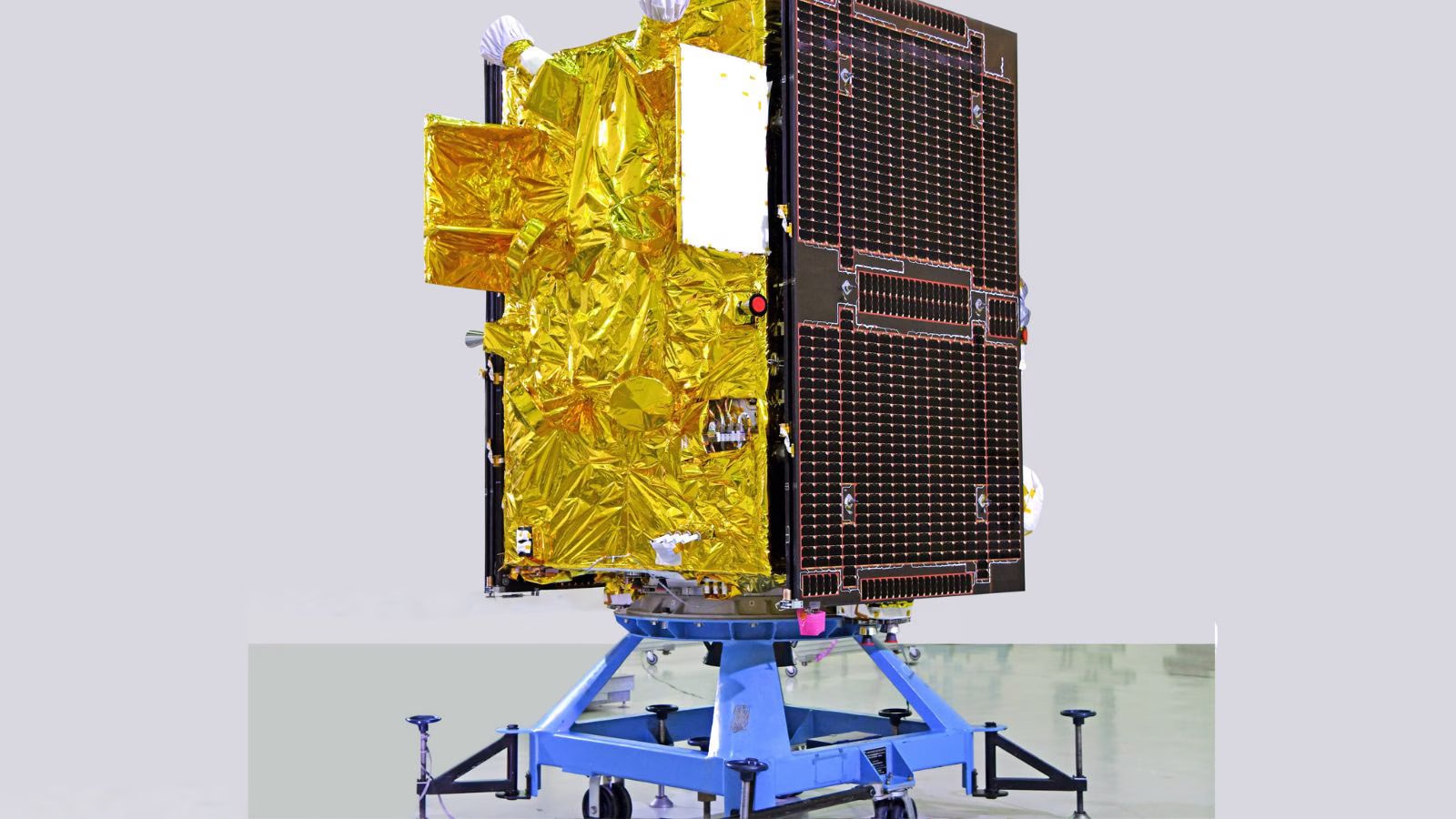 ISRO has also constituted a committee to review the reason for anomalies in the PSLV rocket following a failed launch in January this year.(Image via X: @isro)
A broken electrical circuit is most likely why the Indian Space Research Organisation (ISRO) failed to put navigation satellite NVS-02 in its intended orbit in January last year, according to a committee assessing the mission’s failure.
The NVS-02 satellite was injected in an elliptical transfer orbit using the GSLV-F15 by the space agency in its 100th launch on January 29 last year. However, subsequent manoeuvres to place the satellite in its intended circular orbit failed, meaning it could not be used for its intended purpose of satellite-based positioning.
While a series of autonomous activities such as deployment of solar panels and fixing the orientation for power generation were carried out as planned afterwards, the engine meant to put the satellite in the final orbit failed.
‘Signal didn’t reach pyro valve’ main reason: ISRO
After thorough analysis of simulation data, the apex committee constituted to review the case concluded that the main reason for the failure was a signal not reaching the pyro valve of the oxidiser line of the engine. This means that the engine could not be ignited. This, the committee felt, was most likely because of the disengagement of at least one of the contacts to the connector — meaning the circuit to deliver the signal could not be completed.
“The committee has provided a set of recommendations aimed at enhancing the redundancy and reliability of pyro system operations for future missions,” the space agency said in a statement.
These recommendations were followed for the CMS-03 satellite launched in November last year, in which all the pyro systems performed as expected and placed the satellite in the intended orbit.
Meanwhile, the space agency has also constituted a committee to review the reason for anomalies in the PSLV rocket following a failed launch in January this year.
Story continues below this ad
The ISRO’s workhorse failed twice, back to back in May last year and January this year, with the satellites in both cases failing to reach their intended orbit after an anomaly in the third stage of the rocket.
While the committee is yet to investigate the two events, Union minister of state for space Dr Jitendra Singh said that both the failures were due to unrelated reasons.






 English (US) ·