

 4 days ago
12
4 days ago
12
ARTICLE AD BOX
Last Updated:June 29, 2026, 09:17 IST
India's high-speed rail ambitions are shifting into top gear with new bullet train plans. Rising Vande Bharat demand shows faster journeys are becoming the new normal
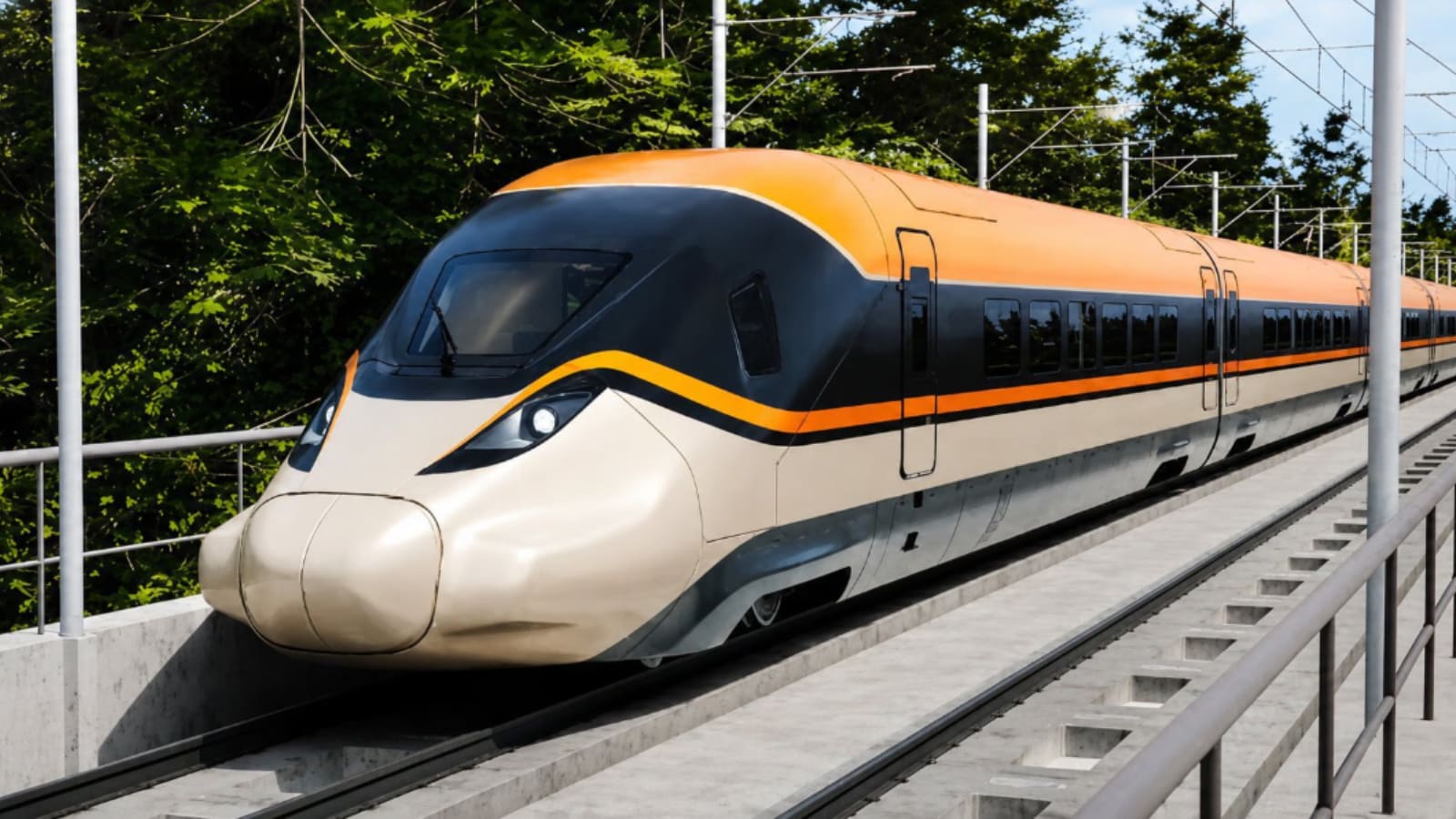
India's high-speed rail ambitions have received fresh momentum after Railway Minister Ashwini Vaishnaw announced that the proposed Delhi-Varanasi bullet train corridor could reduce travel time between Jewar and Lucknow to around one hour and 40 minutes, while passengers travelling from Delhi to Lucknow may complete the journey in nearly two hours and 10 minutes.
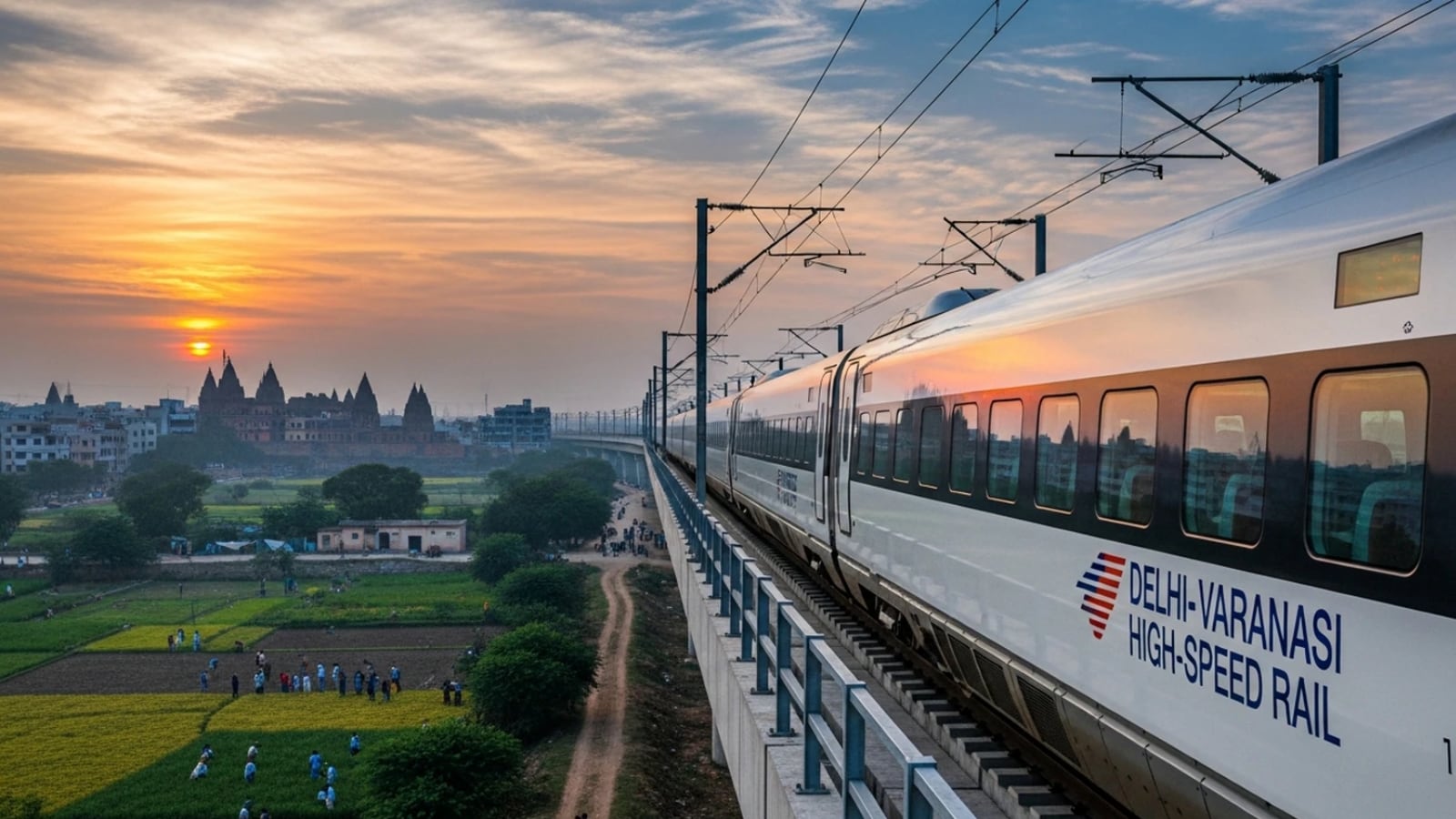
According to a report by Hindustan Times, the Delhi-Varanasi High-Speed Rail corridor is among the seven new bullet train projects announced in the Union Budget 2026-27. Spanning approximately 813 km, the corridor is designed to connect major urban, religious and industrial centres across northern India.
Besides the Delhi-Varanasi route, the government has proposed six other high-speed rail corridors: Mumbai-Pune, Pune-Hyderabad, Hyderabad-Bengaluru, Hyderabad-Chennai, Chennai-Bengaluru and Varanasi-Siliguri, signalling a broader push to expand India's bullet train network.
Railway officials believe the Delhi-Varanasi corridor will significantly strengthen connectivity between the national capital and one of the country's most important pilgrimage destinations. As reported earlier by Hindustan Times, proposed stations on the route are expected to include Delhi, Noida, Jewar Airport, Mathura, Agra, Firozabad, Etawah, Kannauj, Raebareli, Prayagraj, New Bhadohi, Lucknow and Varanasi.
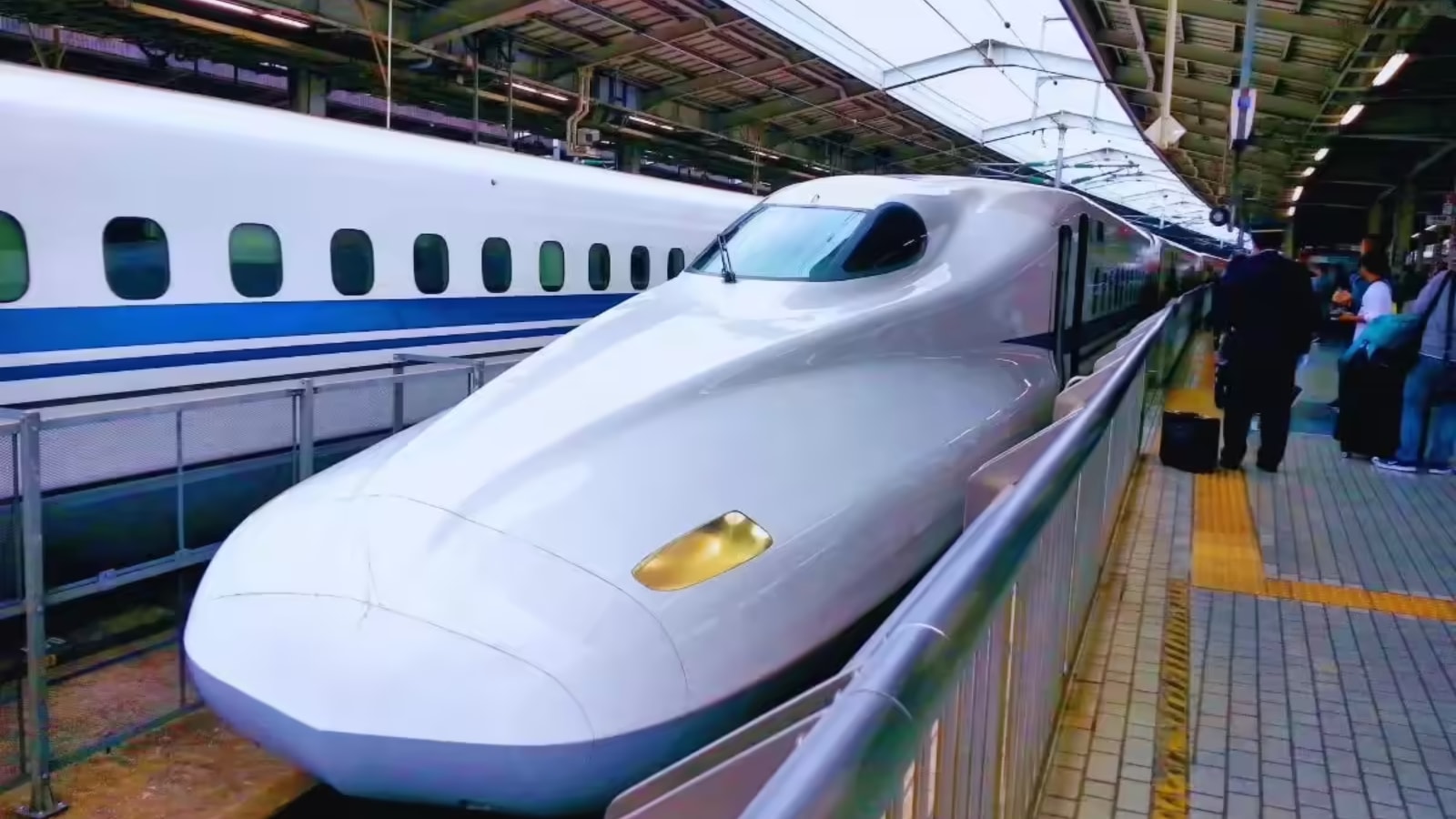
The announcement comes as countries around the world continue to push the limits of railway technology. High-speed trains are redefining modern transport through advanced engineering, aerodynamic design and energy-efficient operations. While conventional high-speed rail dominates most networks, magnetic levitation (maglev) technology has enabled even greater speeds.
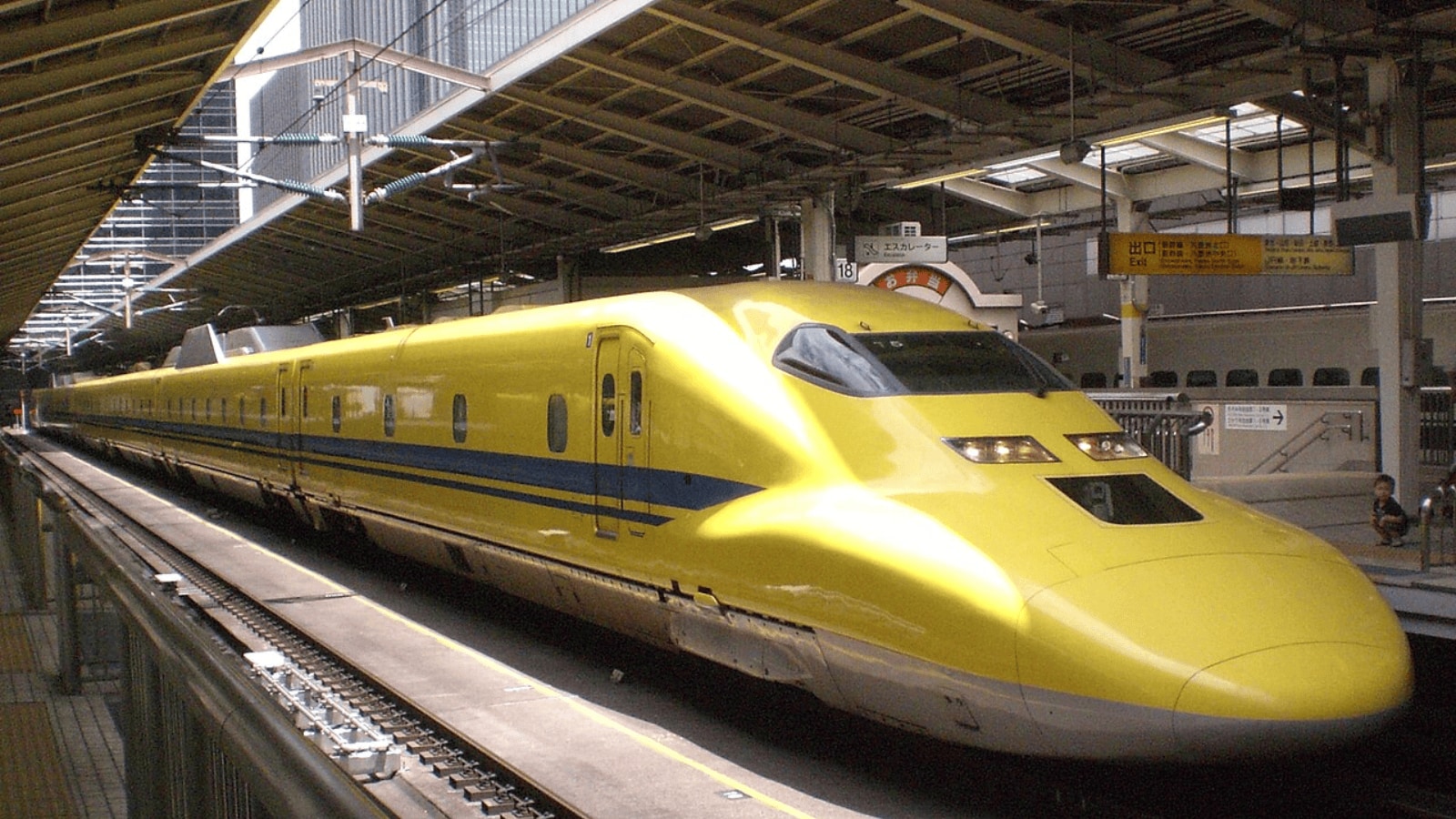
Among the world's fastest trains, China's Shanghai Maglev operates commercially at up to 460 km/h, while the experimental LO Maglev has reached 603 km/h. France's TGV POS holds a rail speed record of 574 km/h during testing, while China's CR450 is being developed for operations of up to 450 km/h. Other leading high-speed trains include China's Fuxing Hao (350 km/h), Germany's ICE 3 (330 km/h), Eurostar e320 (320 km/h), Japan's Shinkansen N700S (300 km/h), Italy's Frecciarossa 1000 (360 km/h) and AGV Italo (360 km/h).
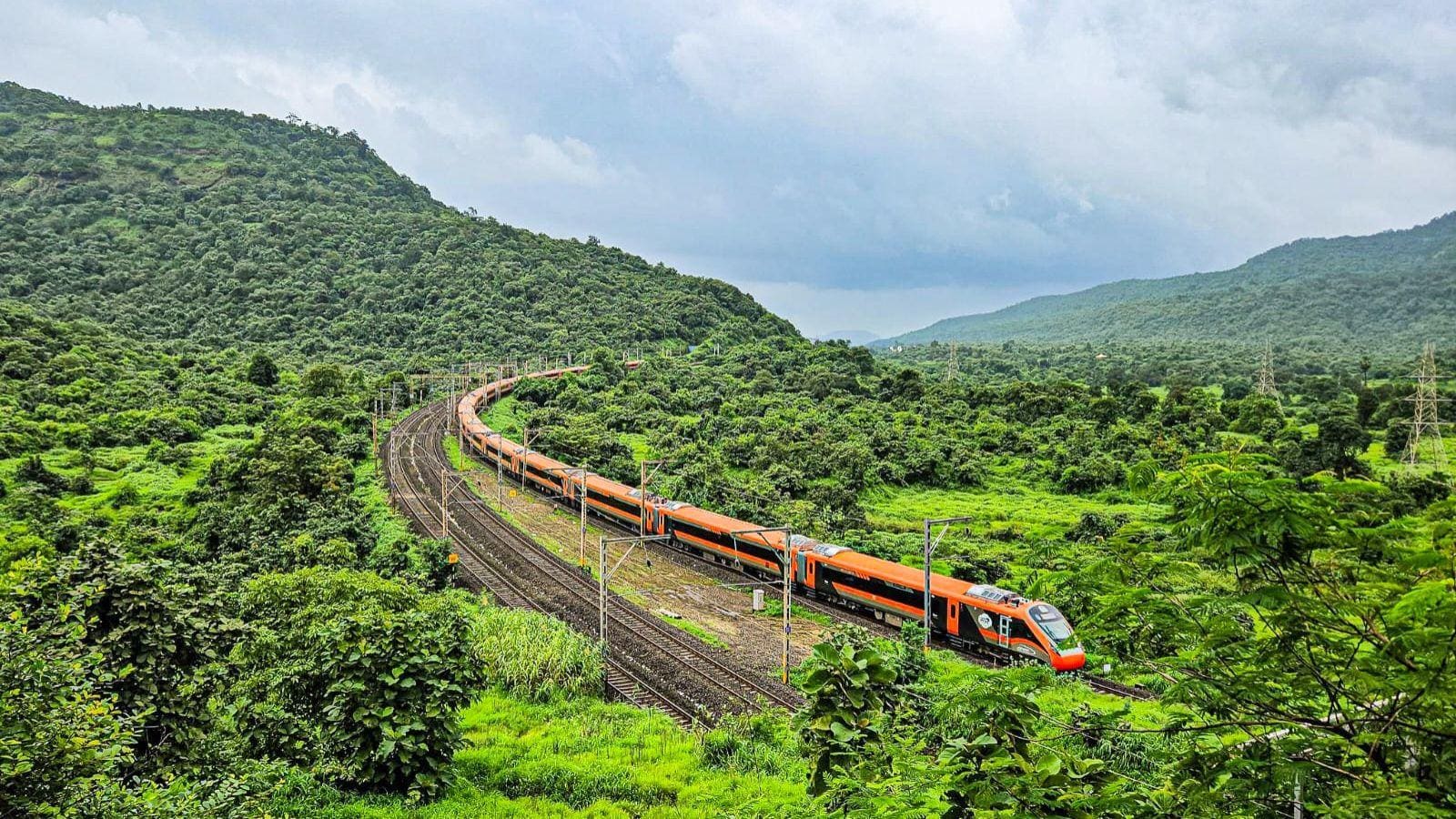
Even as India prepares for the next phase of bullet train development, its flagship semi-high-speed Vande Bharat network continues to attract strong passenger demand. According to a report by Navbharat Times, the Thiruvananthapuram-Mangaluru Vande Bharat Express (Train No 20632) emerged as the highest-earning Vande Bharat service under Southern Railway. Between August and October 2025, the train generated revenue of approximately Rs 73.35 lakh, topping all 24 Vande Bharat services operating across Tamil Nadu, Kerala, Karnataka and Andhra Pradesh.
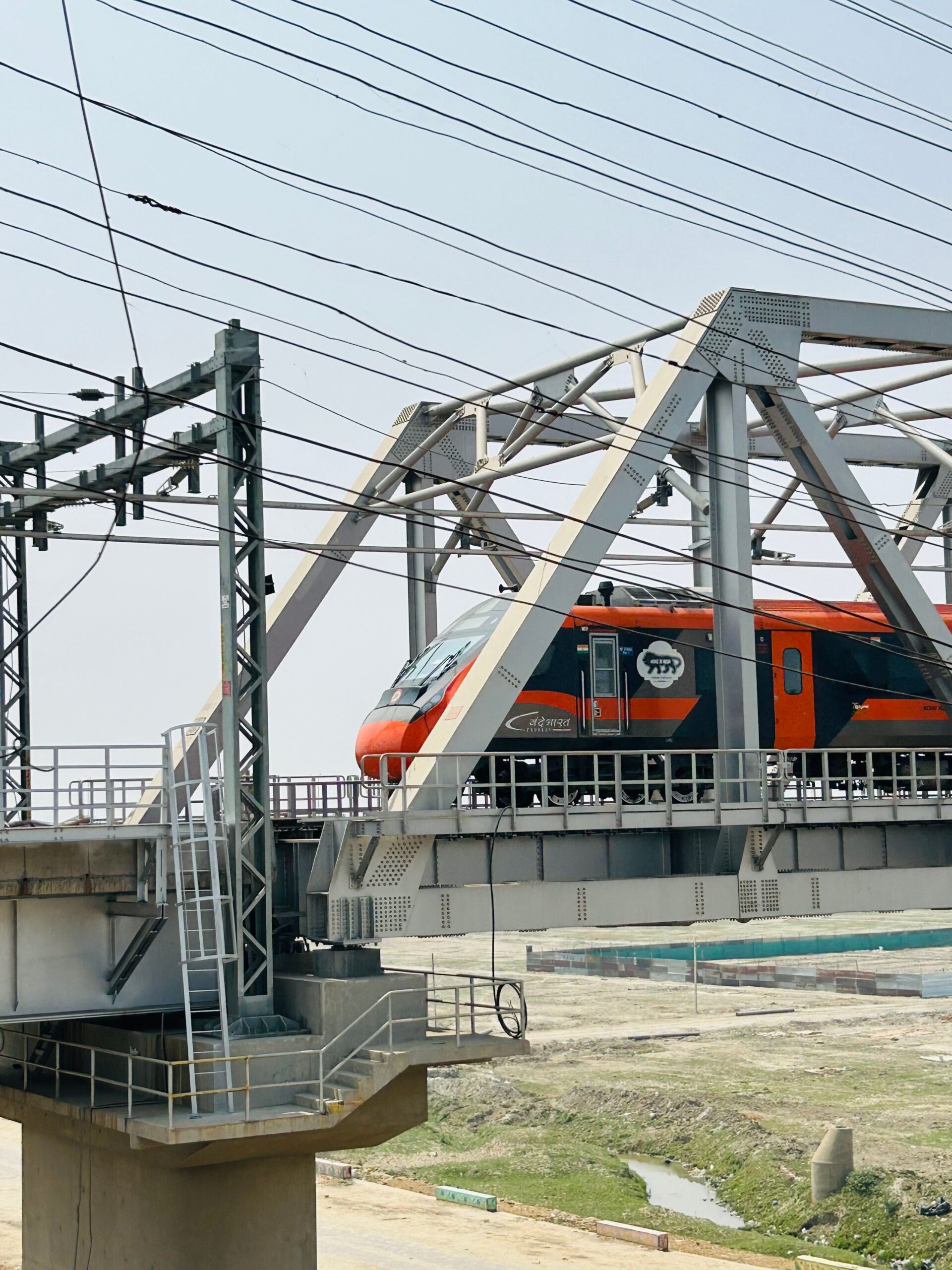
The service also recorded the highest passenger bookings during the period, with 11,896 tickets sold. Railway data further indicated that routes such as Mangaluru-Thiruvananthapuram, Chennai Egmore-Nagercoil and Kasaragod-Thiruvananthapuram have witnessed exceptionally strong demand, with occupancy levels occasionally exceeding 100% because of dynamic bookings and waitlisted passengers being accommodated.
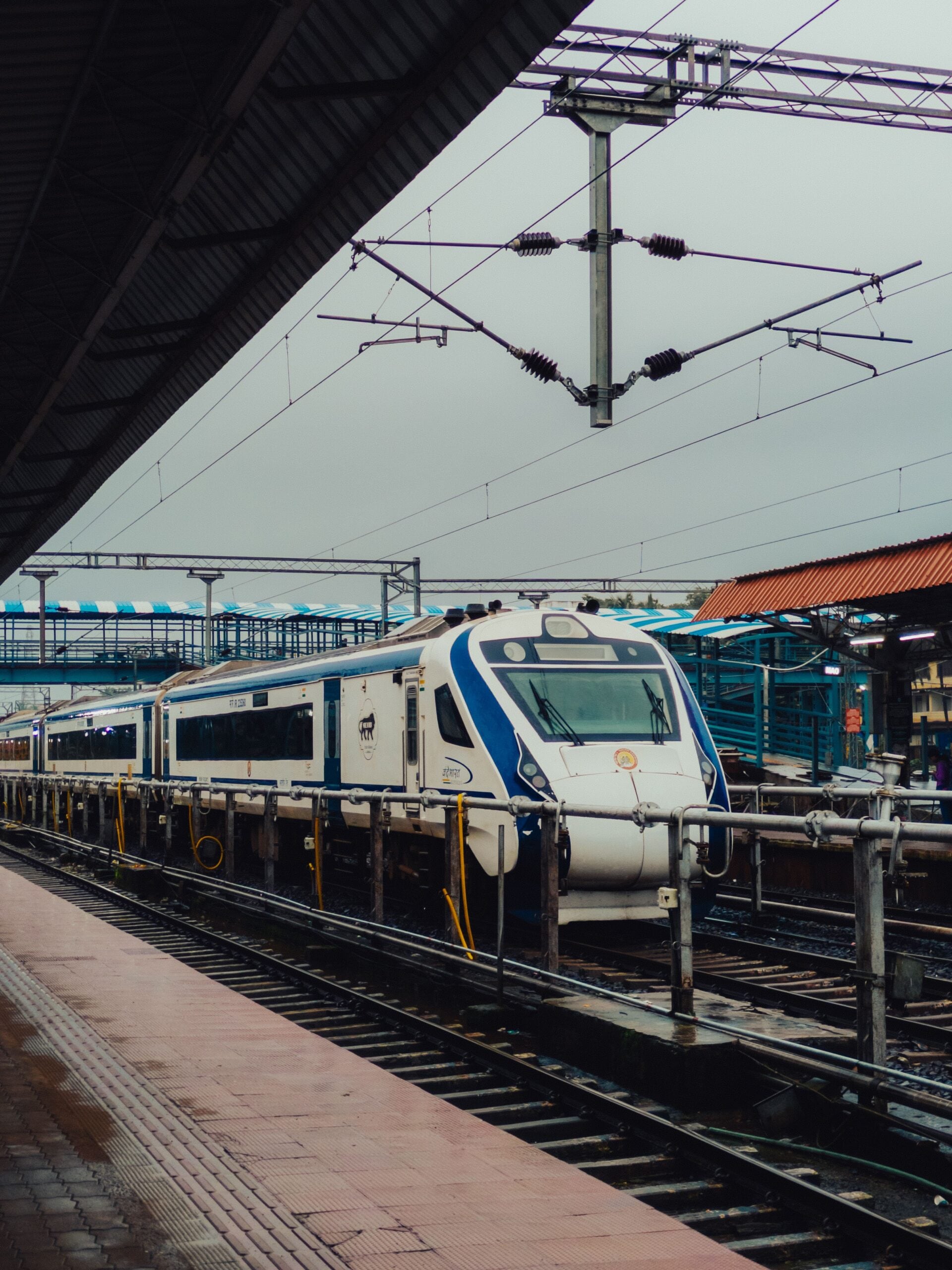
To meet rising passenger demand, Southern Railway has also relaxed current ticket booking rules. Vacant seats can now be booked up to 15 minutes before departure from both the originating station and intermediate stations. Introduced initially as a pilot project, the initiative has helped improve passenger convenience while contributing to higher occupancy and increased railway revenue.
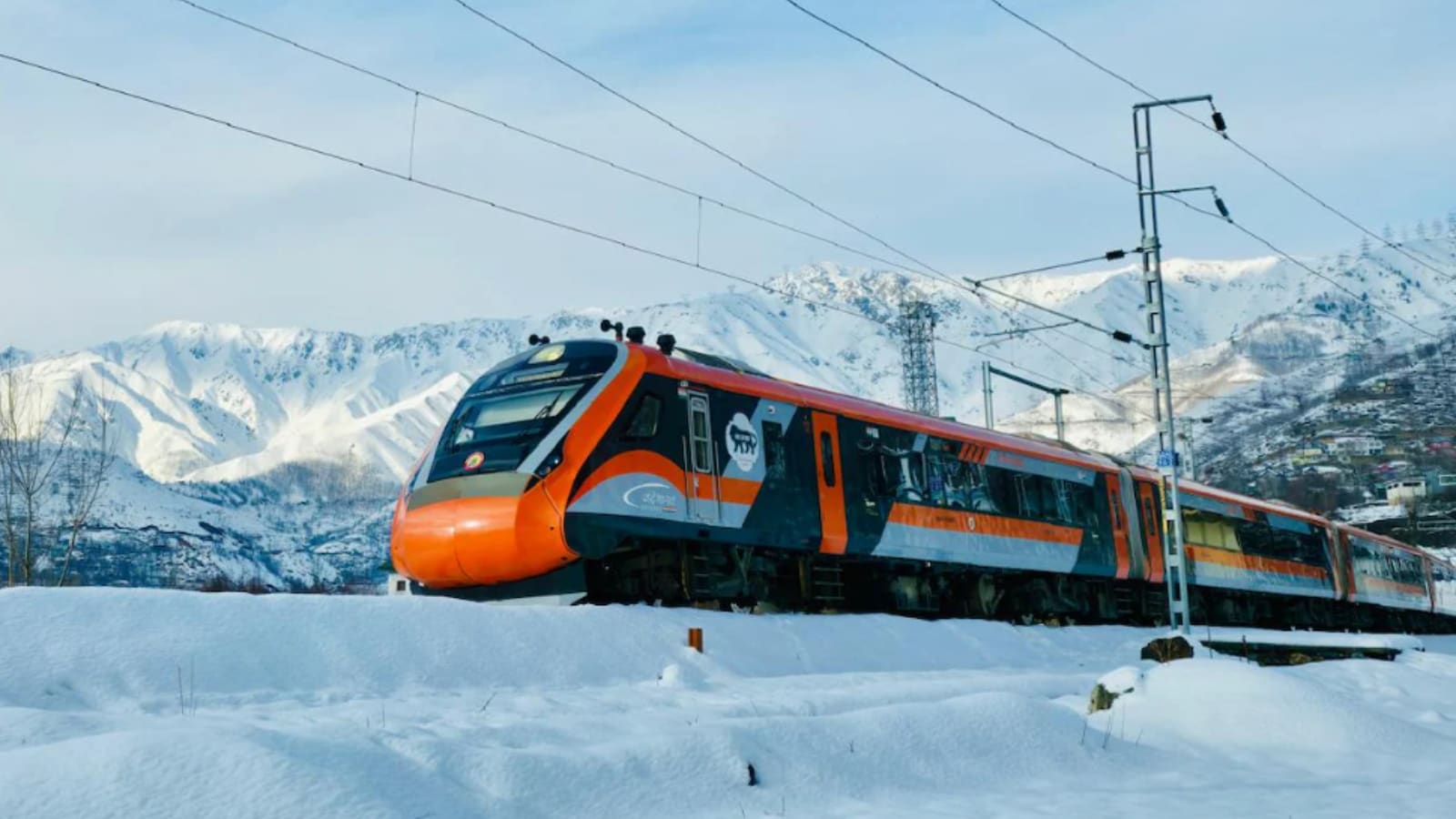
While India's first bullet train project between Mumbai and Ahmedabad remains under construction, the proposed network of new high-speed corridors, coupled with the expanding popularity of Vande Bharat services, reflects the country's long-term strategy to transform rail travel into a faster, more efficient and sustainable mode of transport.









 English (US) ·