

 6 hours ago
5
6 hours ago
5
ARTICLE AD BOX
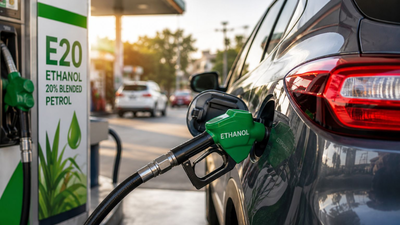
India’s transition to higher ethanol-blended petrol has raised questions among prospective car buyers, but for most customers, it is not a reason to postpone purchasing a new vehicle.
The key is to ensure the chosen model is compatible with the latest E20 fuel standard and understand how the change may influence long-term ownership.The government’s push towards ethanol-blended fuel is intended to reduce crude oil imports, cut emissions and boost domestic ethanol production. As part of this transition, E20 petrol, containing up to 20 per cent ethanol, is now widely available across India, prompting vehicle manufacturers to update engines and fuel systems for compatibility.Most recently launched petrol vehicles are already designed to run on E20 fuel without modifications. Automakers also mention E20 compatibility in brochures, owner’s manuals and official specifications. However, buyers should confirm with dealerships that their selected variant supports E20 fuel, particularly if the model has been on sale for several years without significant updates.Vehicles that were not engineered for higher ethanol blends may experience gradual wear to fuel-system components such as hoses, rubber seals and related parts if used with fuel exceeding the recommended ethanol content.
This concern mainly applies to older petrol vehicles or unsold stock manufactured before E20 compatibility became common.Buyers should also note that ethanol has lower energy content than petrol. As a result, vehicles running on E20 fuel may deliver slightly lower fuel efficiency under real-world conditions. The impact is generally minor and varies depending on driving conditions, driving style and the vehicle.Maintenance costs are not expected to increase for E20-compatible vehicles. Manufacturers have already adapted engines and fuel systems to handle the higher ethanol blend, and owners only need to follow the prescribed service schedule.The ethanol transition should not be the deciding factor when choosing between petrol, hybrid, CNG or electric vehicles. Instead, buyers should base their decision on expected monthly usage.
High-mileage users may benefit from hybrids, CNG models or EVs because of lower running costs, while petrol vehicles remain a practical choice for those with moderate usage.Before purchasing a new vehicle, buyers should verify E20 compatibility, check the manufacturing year if considering older stock, review the approved fuel specifications in the owner’s manual, ask dealerships about applicable software or hardware updates, and compare long-term running costs across different powertrain options.India’s shift towards E20 fuel represents a significant change for the automotive industry, but it should not deter customers from buying a new car. With most modern petrol vehicles already prepared for the new fuel standard, buyers should focus on selecting the right powertrain for their needs and confirming fuel compatibility before taking delivery.









 English (US) ·