

 1 week ago
8
1 week ago
8
ARTICLE AD BOX
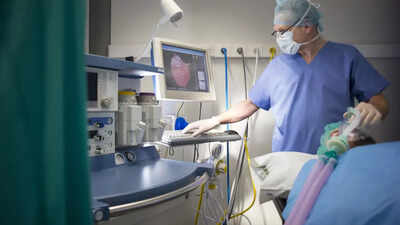
Navigating the replacement of a leadless pacemaker after years can be a daunting journey filled with intricate decisions. While opting to retain the old device might appear to be the safer route, there's a lurking danger posed by scar tissue. Conversely, inserting a new device introduces its own set of uncertainties.
Patient families often think that there are no complications when a pacemaker’s battery is low, so they anticipate an easy swap of the pacemaker from one to another. However, what they may not be able to witness is all the complexity of the medical decisions made behind the scenes, especially when the pacemaker is leadless and has been residing in the body for many years.Traditionally, pacemakers provide quiet, steady support to the heart, often for more than ten years. Traditional pacemakers require a lead or thin wire to connect the device to the heart muscle. Leadless pacemakers, a recent innovation, sit inside the heart and help to lessen the risks of complications such as infection and lead failure. While leadless pacemakers have changed the way many patients receive care, they have also raised many new questions about how to proceed.One of the most challenging questions arises at the end of a device’s battery life: should an old pacemaker be removed, or is it safer to leave it inside and implant a new one?One might think it's safer for an inactive device to remain implanted in the heart instead of removing it.
However, when you have had an implanted device for a long time, the heart is constantly changing, and the device becomes completely encapsulated by scar tissue as well as endothelialized by the heart wall. Therefore, the surgical removal of a long-standing, removed device can present many risks, such as bleeding, perforation of the heart, or embolization.At the same time, having more than one device in the heart isn't an easy decision either.
There are still limited long-term studies on what happens when there are two leadless pacemakers implanted in the right ventricle. As a result, questions about mechanical interaction between the devices, complexity of future procedures, and the unknown long-term effects also exist.
These issues aren’t just conceptual problems—they’re problems that have happened already to people. We have just recently taken care of a long-term patient with advanced age and multiple heart problems.
This patient underwent previous heart bypasses and had a previous pacemaker inserted (that was later removed due to infection). A leadless pacemaker was placed in the same area as the original device and has functioned correctly for more than seven years.
Once the device reached its end-of-life’s battery capacity, the family had to make decisions they had never encountered before; namely, leave the existing, old pacemaker in situ and insert an additional device (a route chosen in certain other patients) or try to retrieve a pacemaker that had resided within the heart for over seven years (a very rare and very high-risk procedure).This is where medicine moves beyond protocols and into judgement.
The patient’s age, frailty, previous infections, and overall heart health had to be considered. Leaving multiple devices inside the heart could pose long-term uncertainties, while retrieval required meticulous planning, pacing backup, and readiness to manage complications.A careful examination followed by consultation with the family resulted in a decision to attempt retrieval of the device under controlled circumstances using temporary pacing support and continuous monitoring.
Precision, experience, and teamwork were all essential to completing the procedure successfully. The device was removed successfully, and a leadless pacemaker of new generation was implanted at the same time.
The patient made a good recovery.While technical success was important, the more significant lesson is in where we go from here. As cardiac technologies continue to improve, patients will continue to live longer than ever with implanted devices—a remarkable achievement of modern medicine; however, this will also result in more frequent need for long term management of medical devices (i.e.,
removing/replacing medical devices).For families, the most important message to take with you is to be aware of the need for continued follow-up if there is a family member with a pacemaker; specifically, if the device is a leadless pacemaker, it is critical that you begin the discussion regarding what the long-term outcome will be for your loved one. In addition, inquiring about the battery depletion of the pacemaker is not a pessimistic viewpoint; it is a viewpoint of practicality and sound planning.There is a balance of science, experienced professionals and compassionate professionals behind every decision along the continuum of care for patients with pacemakers. Although families may never have an opportunity to observe all of the conversations that transpire in consult rooms or in catheterisation labs, those conversations will always occur with one primary consideration: the safest and most suitable alternative for each patient should be selected, not just for today but with everyone's future in mind.








 English (US) ·