

 2 hours ago
6
2 hours ago
6
ARTICLE AD BOX
Last Updated:April 05, 2026, 20:11 IST
Bab el-Mandeb is one of the world’s most critical oil transit chokepoints, carrying roughly 4 to 6 million barrels of oil per day in recent years.


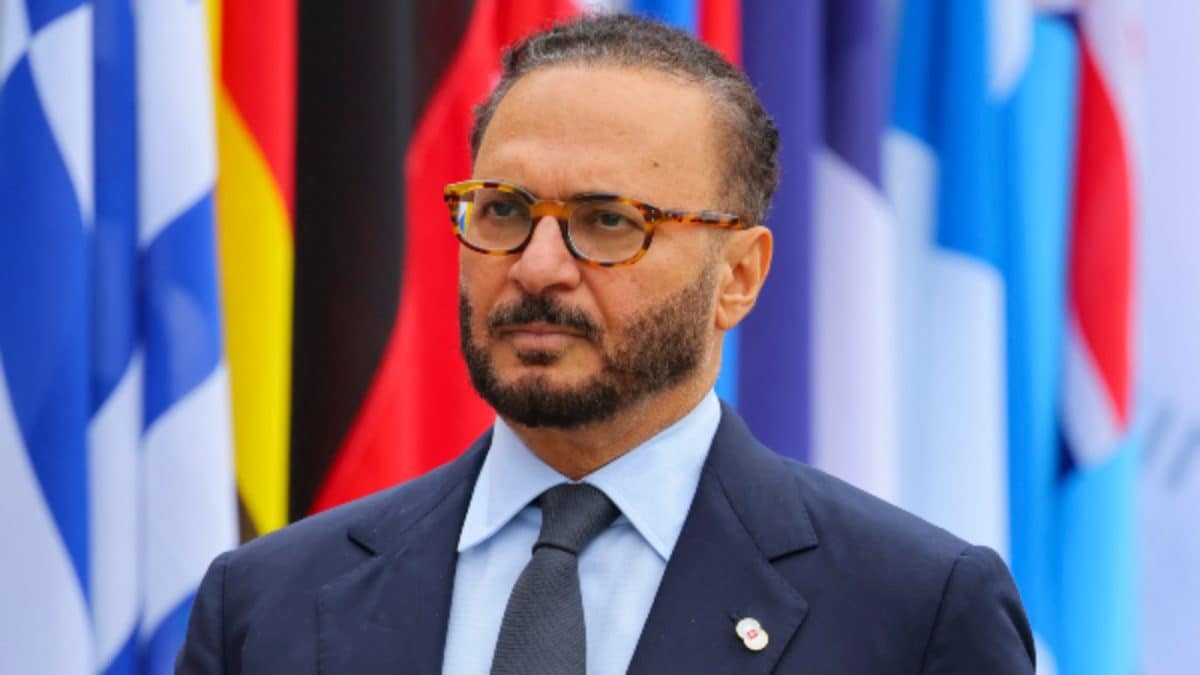
Advisor to the Supreme Leader of the Islamic Republic of Iran on International Affairs Aliakbar Velayati (Credits: Reuters)
Former foreign minister of Iran and Advisor to the Supreme Leader of the Islamic Republic of Iran on International Affairs, Aliakbar Velayati, issued a sharp warning over global energy routes on Sunday, suggesting that key maritime chokepoints beyond the Strait of Hormuz could also be targeted amid escalating tensions.
Ali Akbar Velayati, an adviser to Iran’s Supreme Leader, said the “Resistance front views Bab al-Mandeb as it does Hormuz," warning that any further action by the United States could disrupt global trade and energy flows. He added that Washington has “yet to understand the geography of power," in a pointed message on the strategic importance of regional waterways.
“Today, the unified command of the Resistance front views Bab al-Mandeb as it does Hormuz. If the White House dares to repeat its foolish mistakes, it will soon realize that the flow of global energy and trade can be disrupted with a single move," he wrote in a post on X.
في زمنٍ كان فيه أسلاف الأنجلوساكسون يبحثون عن النار في الكهوف، كان داريوس الكبير يربط البحر الأبيض المتوسط بالبحر الأحمر عبر قناة لتسهيل الملاحة، وكانت المعرفة الإيرانية تضع أسس التقدم العلمي العالمي.— Aliakbar Velayati (@Drvelayati_ir) April 5, 2026
Velayati’s remarks come at a time when the Strait of Hormuz has seen restricted movement and controlled access, pushing attention toward other chokepoints like Bab el-Mandeb.
How Much Oil Moves Through Bab el-Mandeb
Bab el-Mandeb is one of the world’s most critical oil transit chokepoints, carrying roughly 4 to 6 million barrels of oil per day in recent years, according to a report by Visual Capitalist.
In broader terms, the strait accounts for around 10–12% of global seaborne oil trade, making it a vital link in international energy supply chains.
However, flows have been volatile. Data from US Energy Information shows oil transit dropped sharply in 2024 to nearly 4 million barrels per day, down from higher levels earlier, due to regional attacks and security risks.
How It Has Emerged As Key Transit Route?
Bab el-Mandeb connects the Red Sea to the Gulf of Aden, forming a crucial link between the Suez Canal and global shipping routes between Asia and Europe.
With disruptions in the Strait of Hormuz, traffic has increasingly shifted towards alternative routes linked to the Red Sea. This has made Bab el-Mandeb even more important, especially for shipments heading towards Europe and the Mediterranean.
Experts warn that any disruption here would force ships to reroute around the southern tip of Africa, significantly increasing time and costs for global trade.
Who Controls The Bab el-Mandeb Strait?
The Bab el-Mandeb Strait lies between Yemen on the Arabian Peninsula and Djibouti and Eritrea in the Horn of Africa.
Its strategic location places it at the centre of overlapping geopolitical tensions, particularly involving Yemen, where Iran-backed Houthi groups have previously threatened maritime traffic.
First Published:
April 05, 2026, 20:11 IST
News world ‘Can Be Disrupted With A Single Move’: Iran Warns Of Hormuz-Like Disruption At Bab-el-Mandeb
Disclaimer: Comments reflect users’ views, not News18’s. Please keep discussions respectful and constructive. Abusive, defamatory, or illegal comments will be removed. News18 may disable any comment at its discretion. By posting, you agree to our Terms of Use and Privacy Policy.
Read More




 English (US) ·