

 1 hour ago
4
1 hour ago
4
ARTICLE AD BOX
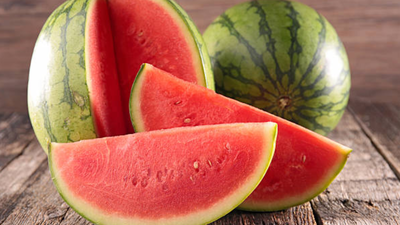
Summer and watermelon go together like, well, summer and sweating. You see the fruit sitting in markets, already cut open and dripping, and it's almost impossible not to grab a slice.
But here's what most people don't think about: the time of day you eat that watermelon matters. A lot. Not just for how it tastes, but for how your body actually processes it."The best time of day to consume watermelon is during the mid-morning and early afternoon hours, particularly between your breakfast and lunch meals when your digestive system is at its most efficient," Nidhi Sahai, Head of the Department of Dietetics at Medanta Hospital Noida explains.
This isn't arbitrary advice. Your body has actual rhythms. Your digestive system works better at certain times, and eating watermelon when your body is primed to digest it properly means you're getting the actual benefits rather than fighting uncomfortable side effects.
Why timing actually changes everything
Watermelon is almost 90 percent water and contains natural sugars. That sounds simple, but it means your body needs to process both the hydration and the sugars, and it does that best when your digestive fire is already going strong from breakfast.
According to Sahai, "One additional benefit of eating watermelon on an empty or semi-empty stomach is to minimize bloating and improve your ability to digest food." This is where people get confused. An empty stomach might sound like it would work fine, but that's not how it works. You don't want your stomach to be completely empty when you eat watermelon. You want it active and ready. That mid-morning window, after you've had breakfast but before lunch, is that sweet spot.
Your digestive system is warm, active, and ready to work.
The energy factor you probably didn't know about
Here's something interesting that Sahai mentions: watermelon works as a pre-exercise snack. Thirty to forty-five minutes before a workout, that instant energy from the natural sugars kicks in. Your body gets hydrated, gets quick fuel, and you've got something in your system that won't sit heavy while you're exercising. This is why you see athletes eating watermelon before competitions.
It's not random.But this only works if your body is actually ready for it. If you're eating watermelon right before bed, when your body is supposed to be winding down and preparing for rest, you're working against your natural rhythms. Your metabolism doesn't want natural sugars right before sleep. Your digestive system is supposed to be quieting down, not firing up to process fruit. That's when people experience real discomfort.
Who needs to be extra careful
This is important, because it's not one-size-fits-all advice. Sahai points out that "Individuals who are prone to having sensitive digestive systems or are suffering from any form of irritable bowel syndrome should be aware of their intake of this food." You might experience cramping, bloating, or other uncomfortable symptoms that last hours. It's not that you can never eat watermelon. It's that you need to be more intentional about when and how much you eat.
The amount actually matters too
One thing people overlook is quantity. Watermelon feels healthy, feels light, so people eat massive amounts of it. A whole bowl. Half a melon. But Sahai's advice is specific: "Eating watermelon at the right time of day and in moderation can give you all of the benefits associated with having 1 to 2 cups of watermelon when it is consumed at the right time."More isn't better. Especially not with watermelon, which has high water content.
Eat too much and you're bloating your stomach, you're overwhelming your system with sugars, you're making your digestive system work way too hard. One to two cups is the sweet spot.
The bigger picture
This is actually a good lesson in how nutrition works. Food isn't just about what you eat. It's about when you eat it, how much you eat, and what your individual system can handle. Watermelon is genuinely good for you, it's hydrating, it's got natural sugars for quick energy, it's got nutrients your body needs.
But these benefits only show up if you're eating it in a way that your digestive system can handle.Nidhi Sahai's advice isn't complicated. It's not asking you to buy special supplements or follow complicated rules. It's just asking you to be intentional about timing and amount. Mid-morning to early afternoon, one to two cups, on a semi-empty stomach. That's the framework. Everything else is just respecting how your body actually works.Medical experts consulted This article includes expert inputs shared with TOI Health by: Nidhi Sahai, Head of the Department of Dietetics at Medanta Hospital NoidaInputs were used to explain when and how one should eat watermelon and how this nutrient dense fruit can affect health.









 English (US) ·