

 1 week ago
12
1 week ago
12
ARTICLE AD BOX
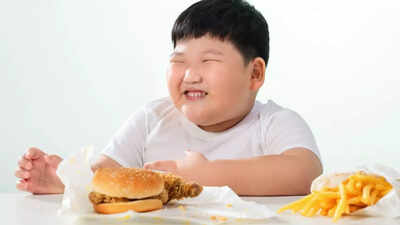
India is grappling with a startling childhood obesity crisis, impacting 14 million youths and placing it just behind China. As wealth increases and urban life becomes the norm, unhealthy eating habits and a drop in physical activity are making matters worse. This alarming trend can lead to serious health issues for children, such as Type-2 Diabetes and cardiovascular problems.
With increasing per capita income and urbanisation over last 2 decades , childhood obesity is now an epidemic in India. With 14 million obese children, India has the second-highest number of obese children in the world, next to China.
The prevalence of overweight children is around 15%. In private schools catering to upper-income families, the incidence has shot up to 36-40%, indicating a worrying upward trend.
Causes of Childhood Obesity:
The fundamental cause of childhood obesity is an imbalance between the amount of calories consumed and energy spent. Indians are genetically predisposed to obesity. However, the increase in childhood obesity is largely due to environmental influences.
Economic prosperity leads to a change in diet from traditional to ‘modern’ foods, rich in sugar and fat. Smart phone revolution & rapid rise of Food-delivery apps in cities makes it very easy for older children & parents to order home delivery of varieties of readily available foods rich in sugar and fat.
Urbanisation and digital revolution leads to an increase in sedentary lifestyles and a decrease in physical activity.
Health Implication of Childhood Obesity:
Childhood obesity has serious health implications. Obesechildren are at increased risk of Type-2 Diabetes, high cholesterol,hypertension, osteoarthritis, coronary heart disease, stroke, gallbladder disease, respiratory problems, behavioural issues and some cancers. Two in three obese children will remain obese as adults and are at risk for adult lifestyle diseases. India is estimated to become the diabetes capital of the world.
Prevention of Childhood Obesity:
According to WHO, obesity in chidren is one of the most serious public health challenges of the 21st century. Prevention of childhood obesity is essential, especially since we know that the treatment of obesity is extremely difficult. Proven and simple strategies to prevent obesity include:
- Increase intake of fruits and vegetables.
- Drink sufficient amount of water.
- Reducing screen time. Eating while watching TV is a major cause of excess food consumption. TV ads/commercials lead children towards fast foods,
- Reduce sugar intake. Sugar is now called the new ‘tobacco’ and must be restricted at all ages. Water is encouraged instead of sweetened drinks.
- Encourage physical activity. It is difficult to ensure active lives in children, due to limited time and academic pressures. Parents need to facilitate physical activity in young children, and at least 60 minutes of daily vigorous physical activity in older children.
- Family outings over weekends with outdoor activities like walking, trekking, cycling, games etc help children to develop right habits.
Parents as Role Models for Children:
- Children see what parents eat! Healthy eating includes consuming more fruit, vegetables, whole-grain and nuts. It is advisable to limit the amount of fats and shift fat consumption from saturated fats to unsaturated fats. Skimmed milk should be offered instead of whole milk after the age of two. Fresh foods are encouraged. Fast foods are rich in fats, sugar and salt and should be restricted to occasions or weekends. Snacking and bingeing is a major cause of excess calorie intake. Healthy snack options should be available for growing children.
- Healthy mealtime behaviours are learned by children. Forced and coerced feeding often leads to poor self-control and later obesity. Parents need to ensure that children eat when they are hungry, and not when they are tired or bored. Food as a ‘reward’ is to be discouraged.
- Healthy habits in children start as early as 6-12months. Starting weaning foods at the right time and including variety of healthy foods early on will go a long way in making these toddlers better eaters later.







 English (US) ·