

 1 hour ago
7
1 hour ago
7
ARTICLE AD BOX

Even parents who have the best intentions for improving children's health can do so inadvertently through simple habits (Canva)
It’s natural for parents to want to do everything they can to keep their children healthy. Most families attempt to protect their little ones from illness in many ways, from serving up healthy meals and promoting good hygiene to making sure vaccines are up to date.
But despite such good intentions, some common everyday habits that seem harmless—or even widely accepted as healthy—might be quietly eroding a child's immune system over time. There is no one “superfood” or supplement that boosts the immune system. Instead, it is made up of a combination of a balanced diet, sound sleep, regular exercise, a healthy gut, emotional balance and contact with the myriad of microbes we encounter in our daily lives that help train the body's natural defences.
In modern parenting busy schedules, convenience foods, increased screen time, academic pressure and a constant flow of health advice on social media all come into play. With so much information, it’s hard to know what advice is evidence-based and what is just trendy wellness. In the process, parents may inadvertently pick up habits that sabotage the very foundation of a child’s immunity. Overuse of antibacterial products, reliance on packaged snacks marketed as "healthy," or irregular sleeping hours can all subtly, but lastingly, impact how well a kid's immune system works.
Immunity begins well before a child catches a cold, experts also note. Much of the immune system is closely linked to gut health, so a diverse, nutrient-dense diet is especially important during the years of growth. At the same time, stress, not getting enough outdoor play and not being active enough can impact immune responses through hormones, inflammation and general health. These things often work together, so little choices that you make each day can add up over months and years.
A wellness and nutrition coach says the goal isn’t to scare or achieve perfect parenting. Every family occasionally relies on convenience or bends routines, and that’s perfectly normal. Instead, by knowing which common habits may be quietly undermining a child’s natural defences, parents have the opportunity to make simple, sustainable changes. Often the simplest ways to support immunity are the best ways: Offer a variety of whole foods, encourage active play, make sure kids get enough sleep, manage stress, and let kids interact safely with the world around them rather than trying to keep every germ away.
23 Jun 2026 | 13:57
What’s the one thing you did that worked for your child’s height growth?

Utilizing Food as a Punishment or Reward-Canva
It is also worth remembering that children will have several viral infections every year as their immune systems learn to recognise and respond to different pathogens in their early school years. Frequent minor illnesses do not necessarily mean poor immunity. But consistent lifestyle behaviours can affect the maturation and recovery of the immune system. Five common parenting mistakes that may be quietly undermining kids' immunity – and the practical changes that can help build stronger, healthier immune foundations for the long haul, according to a wellness and nutrition coach.Neeraja Mehta, Integrative Wellness Coach & Functional Nutritionist, Founder of Evolve With Neeraja Mehta shares five nutrition mistakes parents commonly make and some suggestions on dealing with them.1. Emphasizing the amount of food over its nutritional valueIt makes many parents happy if their child manages to finish all the food from his/her plate. Yet, eating a lot and eating properly are two different things.
A child will certainly be satisfied with meals consisting mostly of carbohydrates or junk foods, but it will be deprived of some essential vitamins required for healthy growth and development. The key point here is the nutrient composition of the food consumed.
Protein, fats, and fibres are significantly more valuable for concentration, immunity, energy balance, and overall wellbeing than the amount of food eaten by a person.2. Buying products just because they are called "healthy"With today's abundance of various foods presented as healthy options in modern supermarkets, parents find it quite hard to distinguish between truly healthy products and marketing gimmicks.Despite the healthy label on the packaging of any product, one cannot say about the absence of sugar, preservatives, and refined substances. Constant consumption of such foods will surely affect metabolic processes negatively and cause increased reliance on junk food.
Foods that are whole and simple, even those homemade, might be much more nutritious than highly promoted packaged products.3. Utilizing food as a punishment or rewardMany parents inadvertently create emotional ties to food starting from an early age by using treats as a reward and denying favorites as a form of punishment. While there is nothing wrong with it initially, it might negatively impact the child's attitude towards food in the future.
Eventually, kids might find themselves associating eating with feelings rather than hunger. It may lead to developing emotional eating and poor understanding of when one needs to stop.Raising awareness of natural hunger and satiety is what a parent should do.4. Neglecting gut healthGut health is very important to children’s well-being in general, however, it frequently goes unnoticed. Besides digesting, it impacts immunity, the ability to absorb nutrients, as well as emotional state.Regular intake of overly-processed foods, sugar in large amounts, antibiotics – all that negatively influences gut bacteria composition already in early stages of life. This disruption may be observed in the form of stomach problems, weak immunity, fatigue, as well as behavioral issues. Introducing fibrous foods, seasonal products, as well as fermented foods is the way to foster a healthy gut.
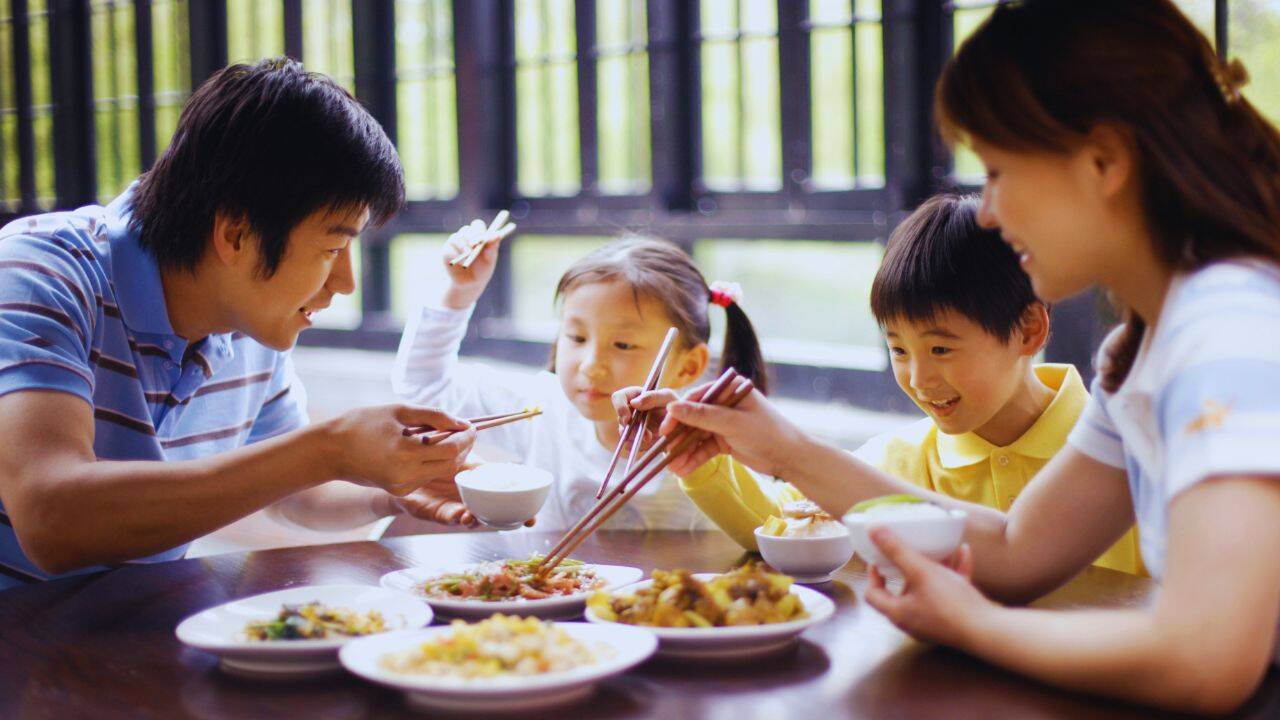
Neglecting Gut Health from the Start-Canva
5. Dieting according to popular diets rather than personalized needsThere are no two identical children who have the same needs in terms of nutrition.
Something that suits one child does not mean it will suit another. Many parents today become victims of popular dieting fads or even the food behavior of other kids who belong to their social circle. The best way to look at food and diet is always from an individual perspective, considering digestive health, physical activity, metabolism, appetite, and much more.
This way, parents get a clear picture of what their child requires rather than using generic diet information.Importance of developing good habits over perfectionNutritional considerations during childhood must not be based on rigid food restrictions or too much limitation when it comes to dietary practices. Instead, such strategies must focus on developing awareness, consistency, and balanced and realistic habits. By shifting away from the fixation on finding quick fixes to creating a solid foundation of good habits, parents are crucial in enabling their kids to form more positive dietary behaviors that can stay with them throughout their lives.
Nutrition does not mean being obsessive perfectionists always earning perfect grades.









 English (US) ·